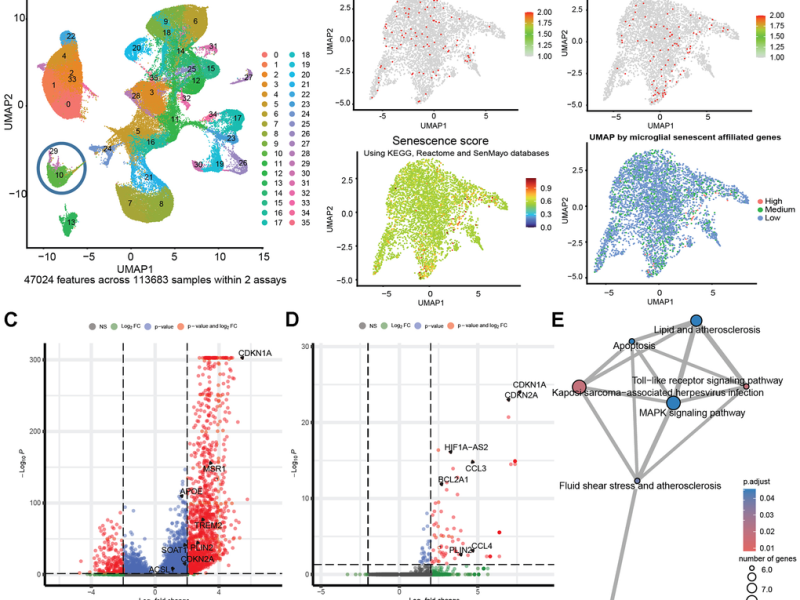
A new research paper was published in Volume 18 of Aging on July 1, 2026, titled “Senescent cells accumulate lipid droplets.”
Aging Journal
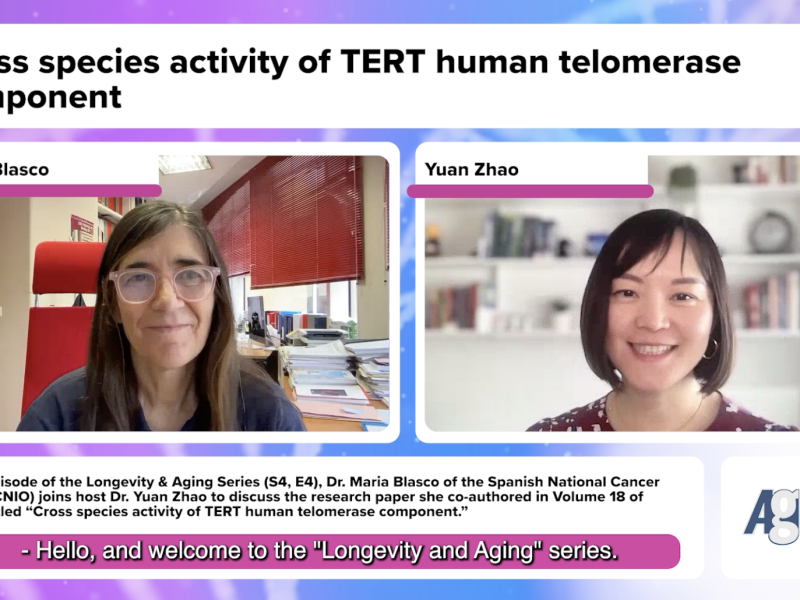
Dr. Maria Blasco of the Spanish National Cancer Centre (CNIO) joins host Dr. Yuan Zhao to discuss the research paper she co-authored in Volume 18 of Aging, titled “Cross species activity of TERT human telomerase component.”
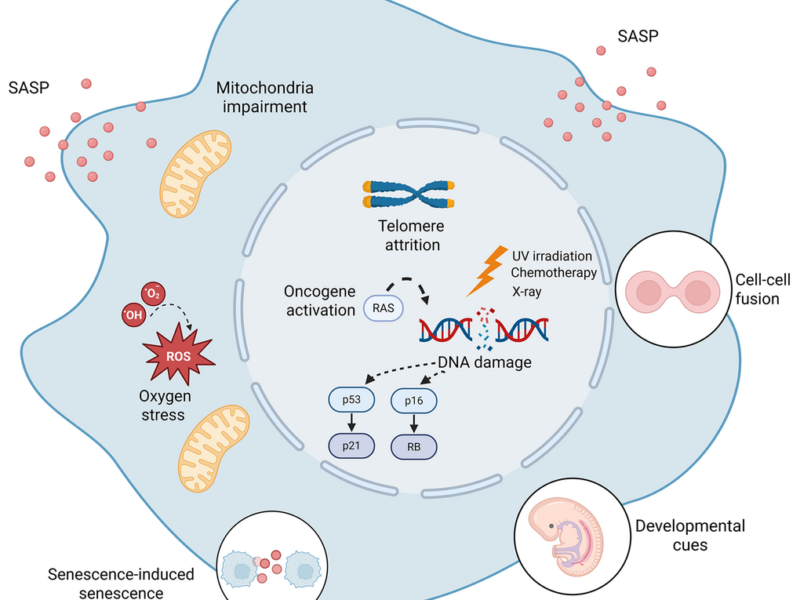
A new review was published in Volume 18 of Aging on June 22, 2026, titled “The multifaceted inducers of cellular senescence.”
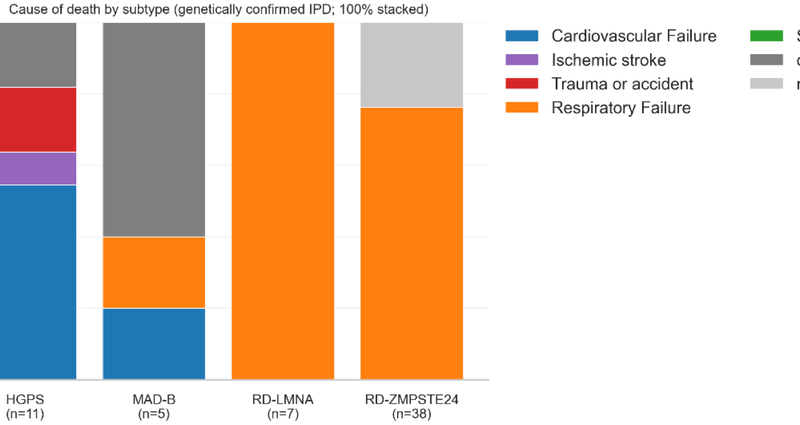
A new systematic review was published in Volume 18 of Aging on June 18, 2026, titled “Life expectancy and causes of death in classical laminopathic progeroid syndromes: systematic review with individual-patient data synthesis.”
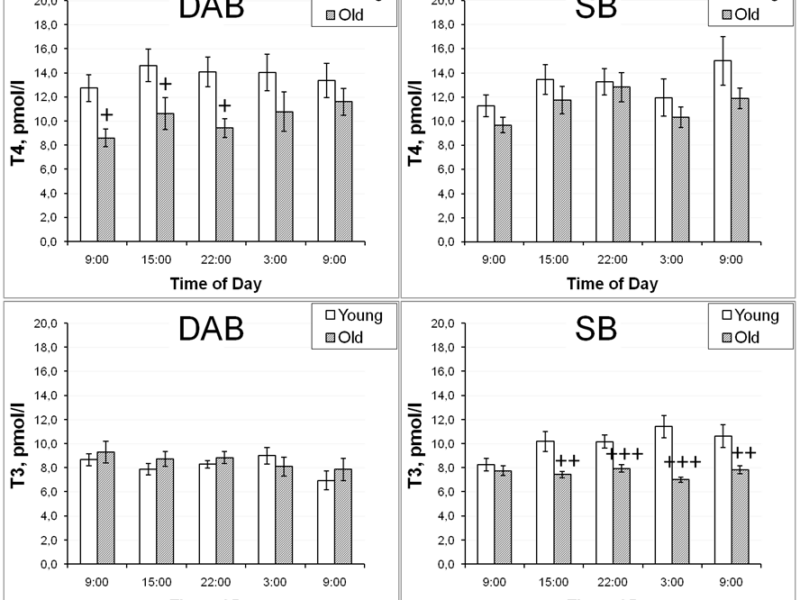
A new review was published in Volume 18 of Aging on June 11, 2026, titled “Age-related dysfunctions of the neuroendocrine axes in nonhuman primates with depression-like and anxious behavior.”
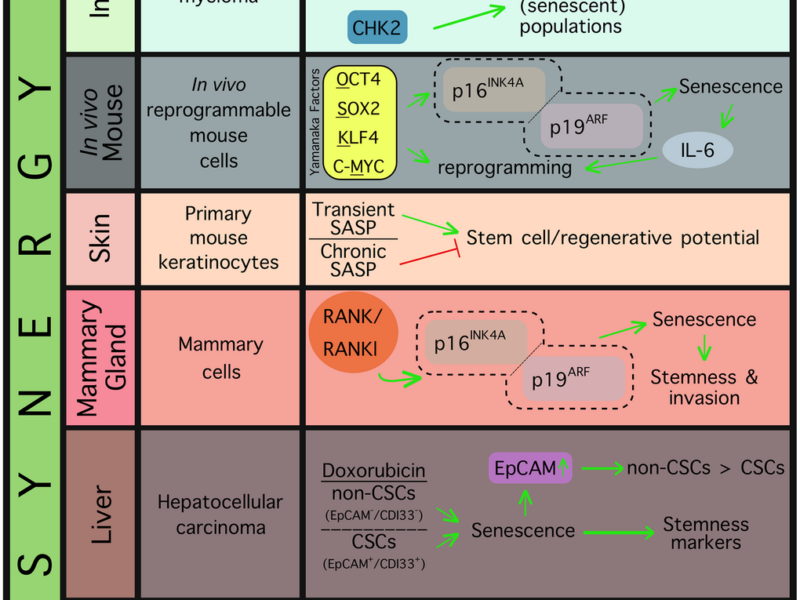
BUFFALO, NY — June 29, 2026 — A new review was published in Volume 18 of Aging on May 30, 2026, titled “The love and hate relationship between cellular senescence and stemness.”
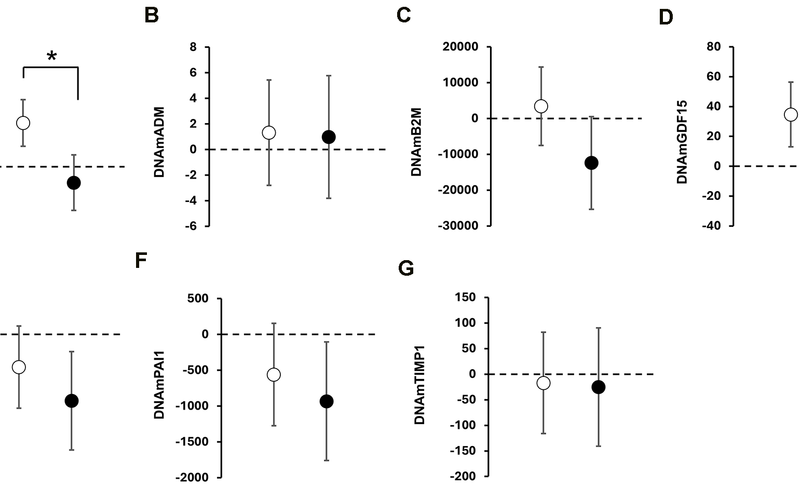
A new research paper was published in Volume 18 of Aging on May 29, 2026, titled “Short-term responsiveness of DNA methylation–based aging biomarkers to a multimodal intervention comprising exercise and dietary guidance involving daily consumption of yogurt containing Bifidobacterium longum BB536: an exploratory randomized controlled trial.”
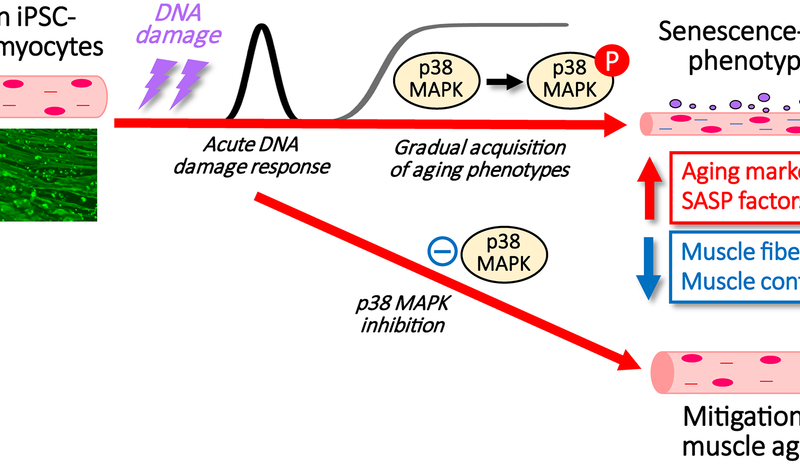
A new research paper was published in Volume 18 of Aging on May 28, 2026, titled “p38MAP kinase regulates senescence in human iPS-derived myocytes.”

A new research paper was published in Volume 18 of Aging on May 26, 2026, titled “Early-life determinants of cardiometabolic outcomes and accelerated biological ageing in Colombia.”
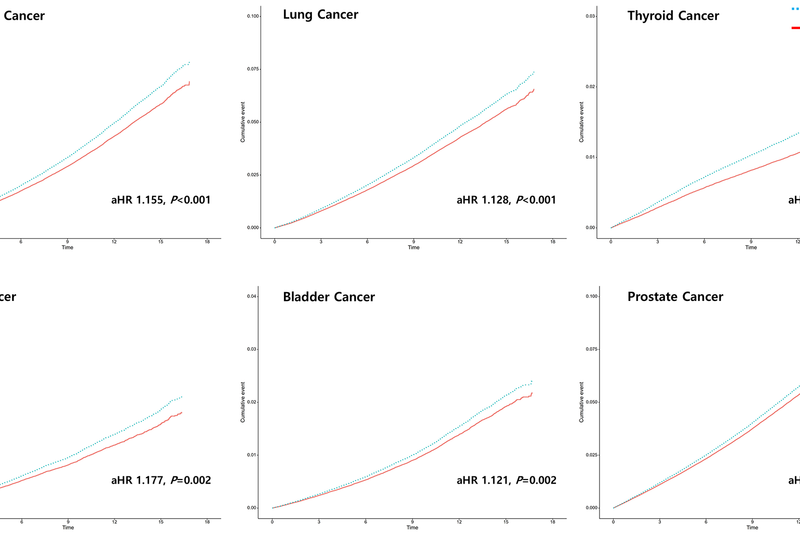
A new research paper was published in Volume 18 of Aging on May 22, 2026, titled “Systemic cancer risk profile in neovascular age-related macular degeneration: insights into shared aging-related mechanisms from a nationwide population-based study.”