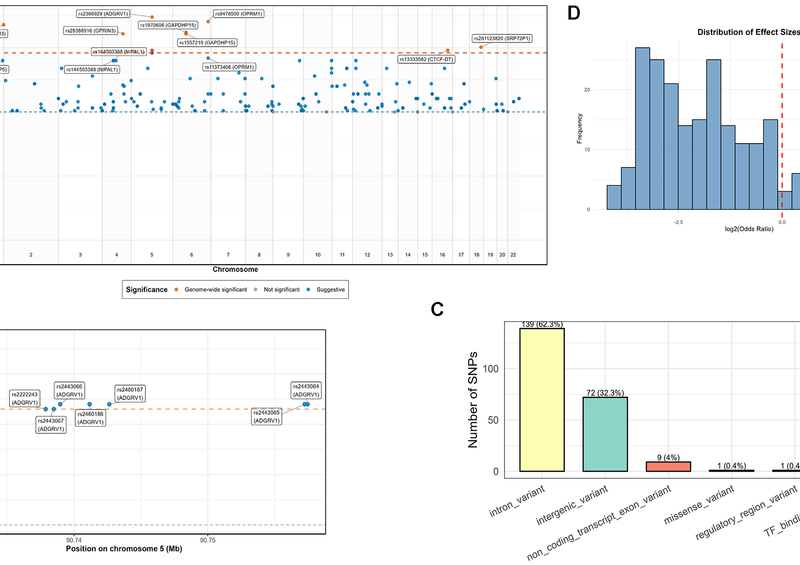
A new research paper was published in Volume 18 of Aging on July 27, 2026, titled “Transcriptomic aging clock analysis identifies key genes in opioid dependence.”
Aging Journal

A new essay was published in Volume 18 of Aging on August 6, 2026, titled “Misha Blagosklonny: a life of ideas.”

A new research perspective was published in Volume 18 of Aging on July 24, 2026, titled “A brief history of the hyperfunction theory of aging and future directions.”

Dr. Kan Cao of the Department of Cell Biology and Molecular Genetics at the University of Maryland joins host Dr. Yuan Zhao to discuss the research paper she co-authored in Volume 18 of Aging, titled “Methylene blue protects hair follicle stem cells from oxidative and metabolic stress to enhance hair regeneration.”
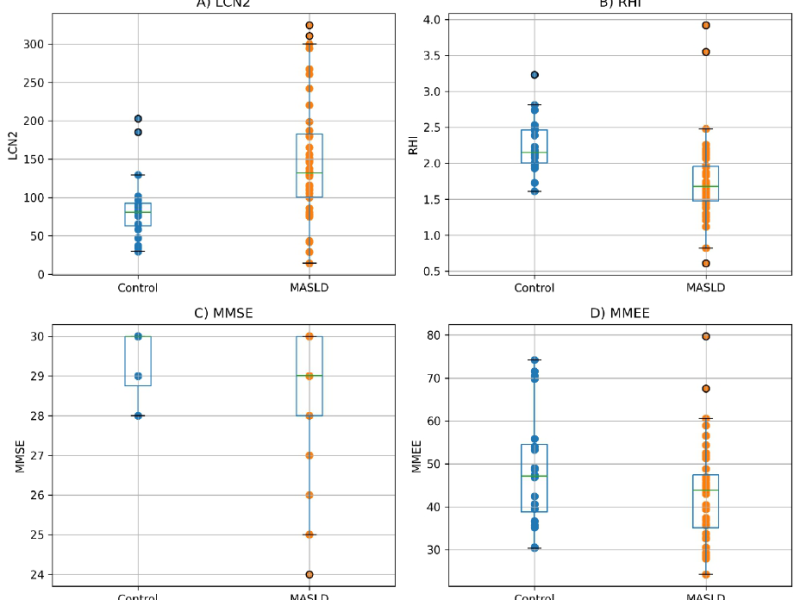
A new research paper was published in Volume 18 of Aging on July 23, 2026, titled “Adipo-neuroinflammation, cognitive impairment and surrogate markers of cardiovascular risk in patients with Metabolic Dysfunction Associated Steatotic Liver Disease (MASLD).”
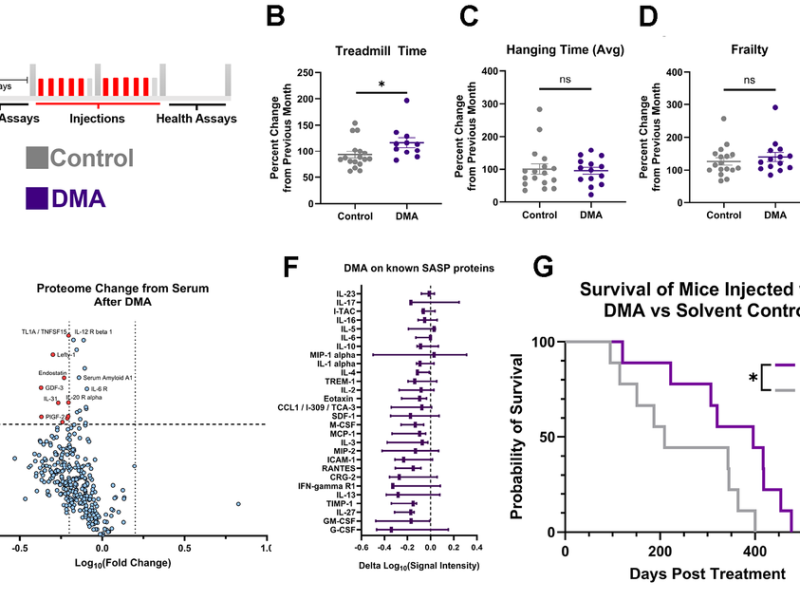
A new research paper was published in Volume 18 of Aging on July 17, 2026, titled “Selective targeting of cancer and senescence via shared metabolic shifts extends lifespan of old mice.”
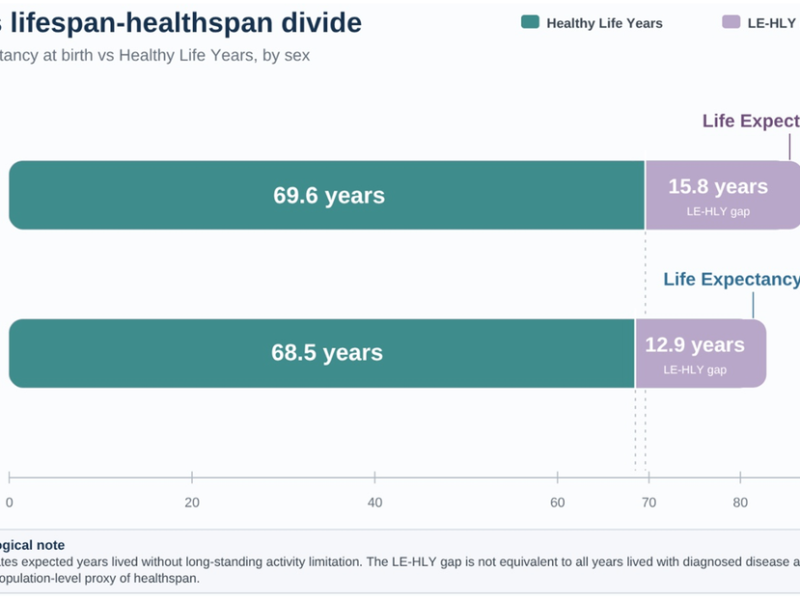
A new research perspective was published in Volume 18 of Aging on July 16, 2026, titled “Towards integration of healthspan strategies into the Italian National Health Service.”
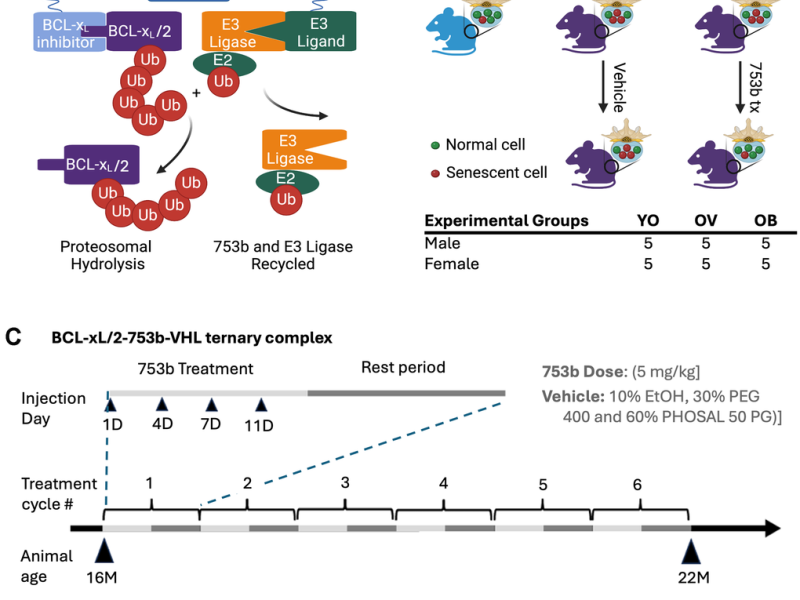
A new research paper was published in Volume 18 of Aging on July 13, 2026, titled “Slowing intervertebral disc aging in mice through long-term systemic treatment with the senolytic BCL-2/BCL-xL proteolysis targeting chimera (PROTAC) 753b.”
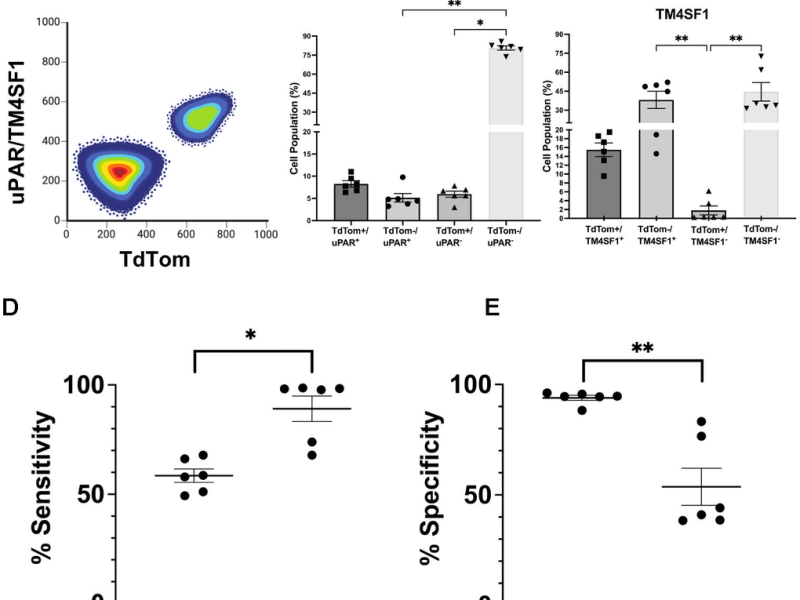
A new research paper was published in Volume 18 of Aging on July 8, 2026, titled “TM4SF1 is a surface marker of senescent pancreatic β-cells.”
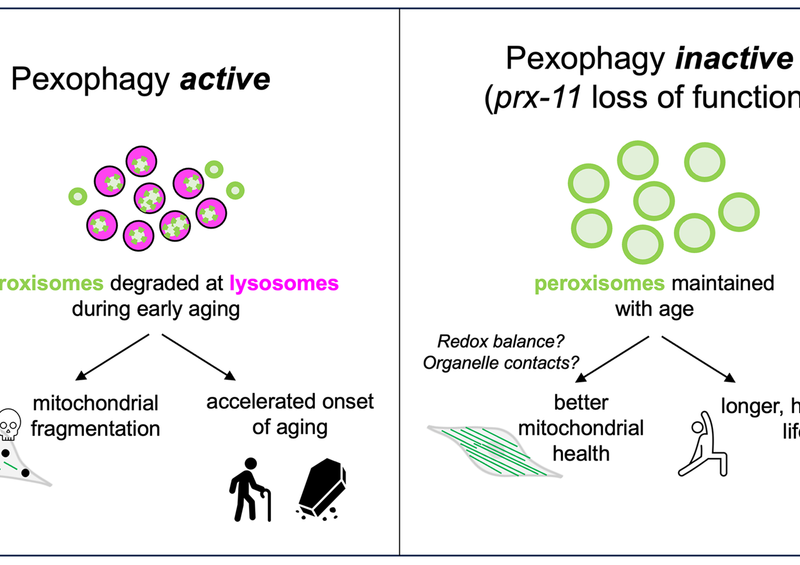
A new research paper was published in Volume 18 of Aging on July 6, 2026, titled “Inhibition of peroxisomal protein PRX-11 promotes longevity in Caenorhabditis elegans via enhancements to mitochondria.”