
Senescence emerged as significant mechanism of aging and age-related diseases, offering an attractive target for clinical interventions. Senescent cells release a senescence-associated secretory phenotype (SASP), including exosomes that may act as signal transducers between distal tissues, and propagate secondary senescence.
Aging-US Authors

A new research paper was published in Volume 17, Issue 7 of Aging (Aging-US) on July 24, 2025, titled “RNA-binding protein AUF1 suppresses cellular senescence and glycolysis by targeting PDP2 and PGAM1 mRNAs.”

A new research paper was published in Volume 17, Issue 7 of Aging (Aging-US) on July 21, 2025, titled “Association of DNA methylation age acceleration with digital clock drawing test performance: the Framingham Heart Study.”

A new research paper was published in Volume 17, Issue 7 of Aging (Aging-US) on July 17, 2025, titled “The influence of cancer on a forensic age estimation tool.”

A new research paper was published in Volume 17, Issue 7 of Aging (Aging-US) on July 7, 2025, titled “Epigenetic age and accelerated aging phenotypes: a tumor biomarker for predicting colorectal cancer.”
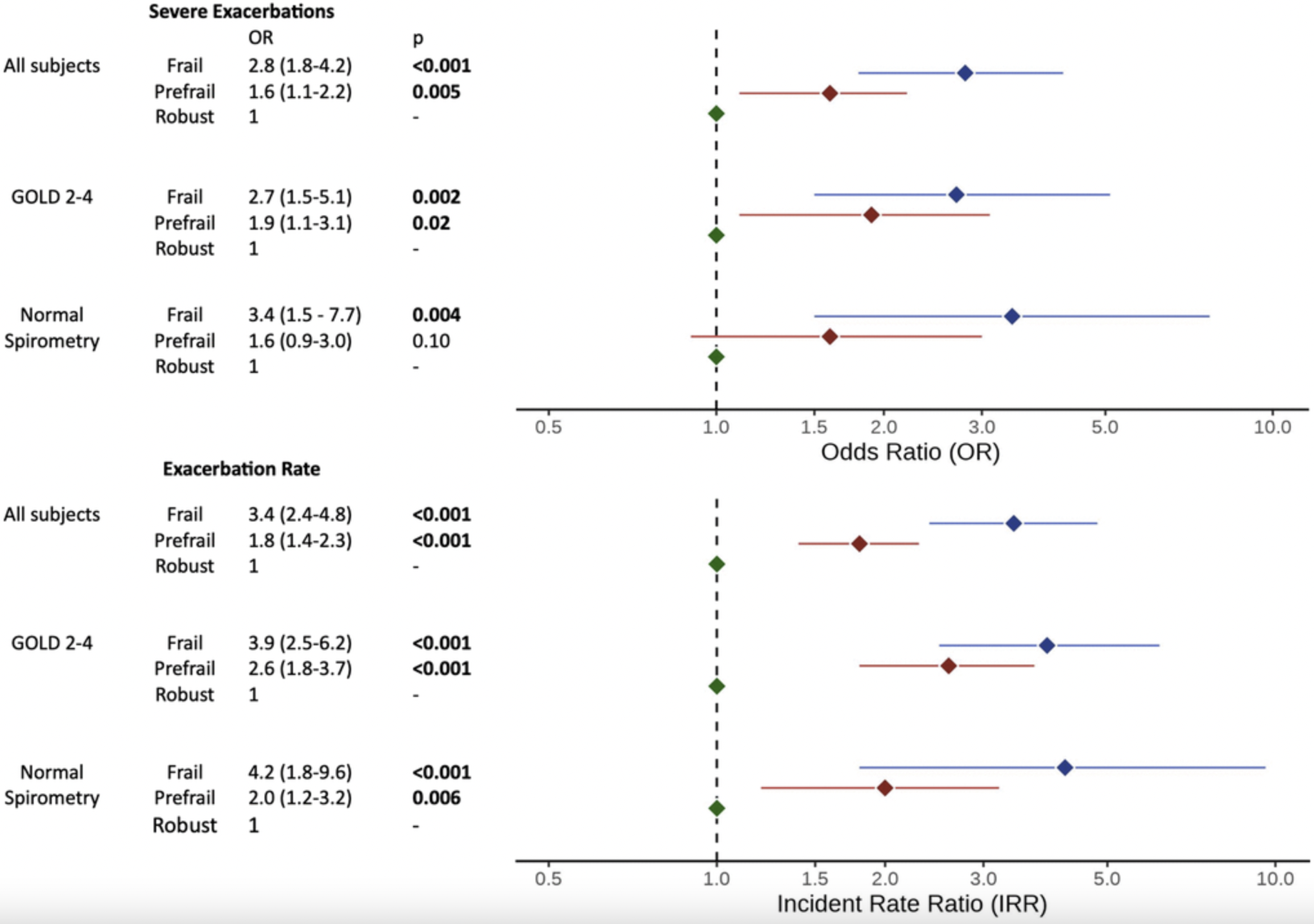
A new research paper was published in Volume 17, Issue 7 of Aging (Aging-US) on July 3, 2025, titled “Frailty associates with respiratory exacerbations and mortality in the COPDGene cohort.”

Aging (Aging-US) is proud to support a milestone event for the global senescence and aging research community.
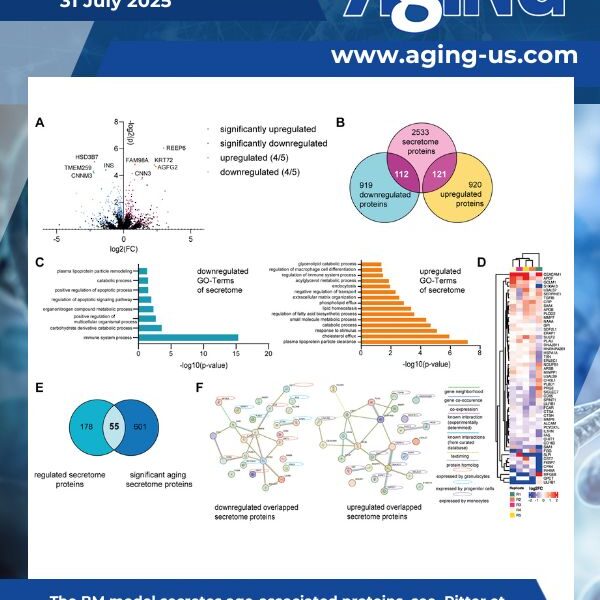
A new research paper featured on the cover of Volume 17, Issue 7 of Aging (Aging-US) was published on July 25, 2025, titled “Systemic factors in young human serum influence in vitro responses of human skin and bone marrow-derived blood cells in a microphysiological co-culture system.”
Aging is a complex process that significantly contributes to age-related diseases and poses significant challenges for effective interventions, with few holistic anti-aging approaches successfully reversing its signs.
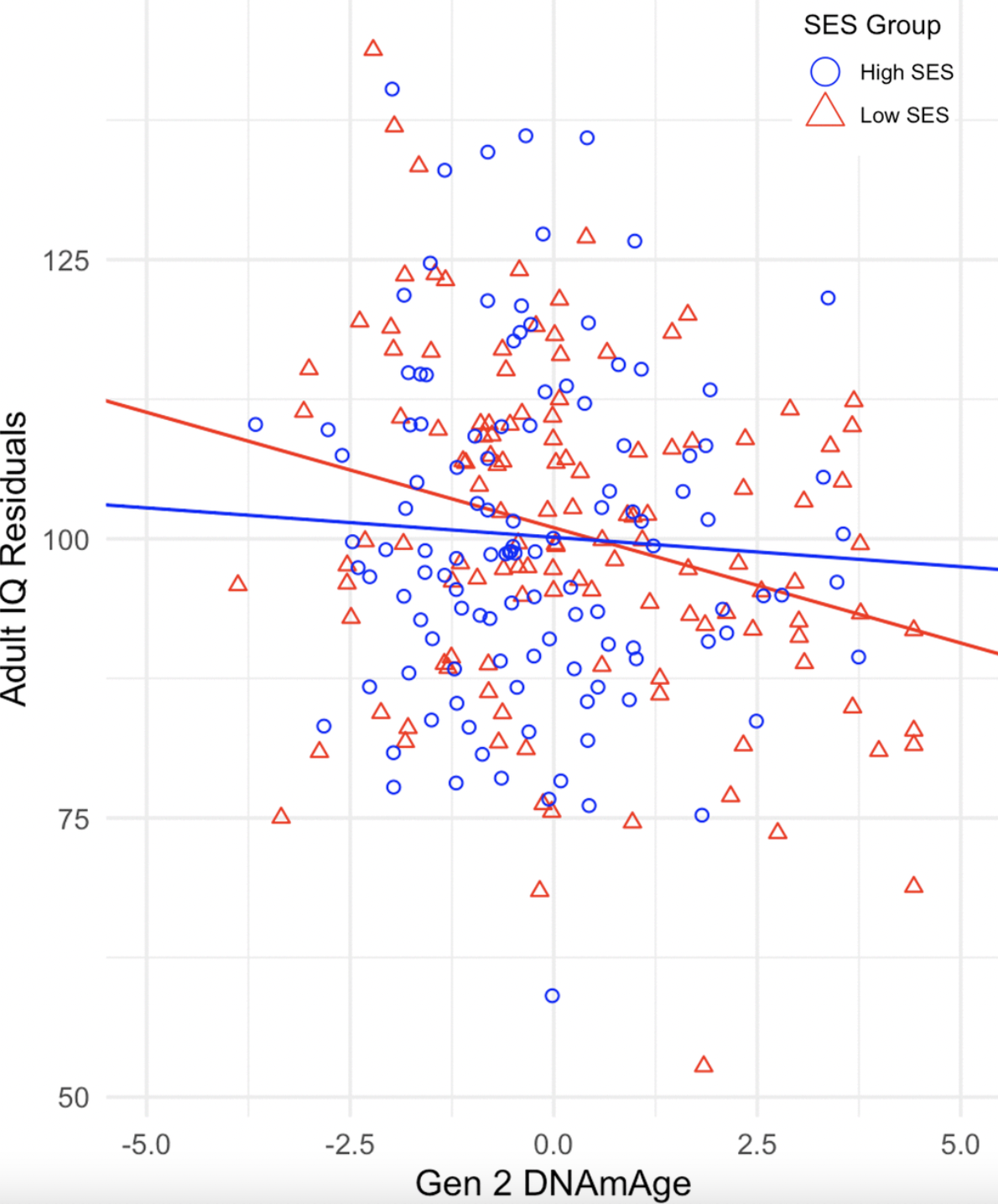
A new research paper was published in Aging (Aging-US) on July 23, 2025, titled “Second generation DNA methylation age predicts cognitive change in midlife: the moderating role of childhood socioeconomic status.”