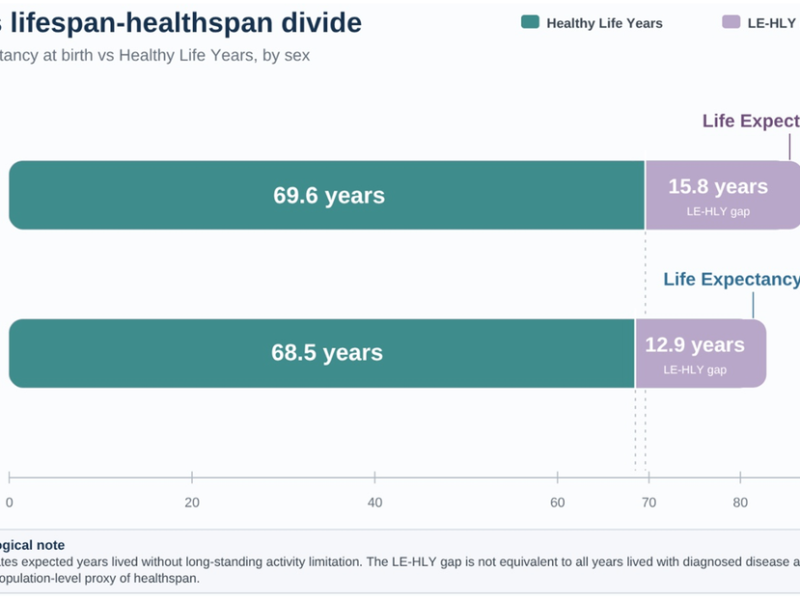
A new research perspective was published in Volume 18 of Aging on July 16, 2026, titled “Towards integration of healthspan strategies into the Italian National Health Service.”
Aging Journal
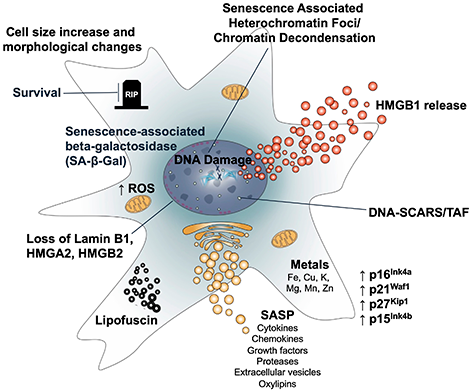
A new review was published in Volume 18 of Aging on May 15, 2026, titled “Blue period – features of senescence 30 years after beta-galactosidase.”
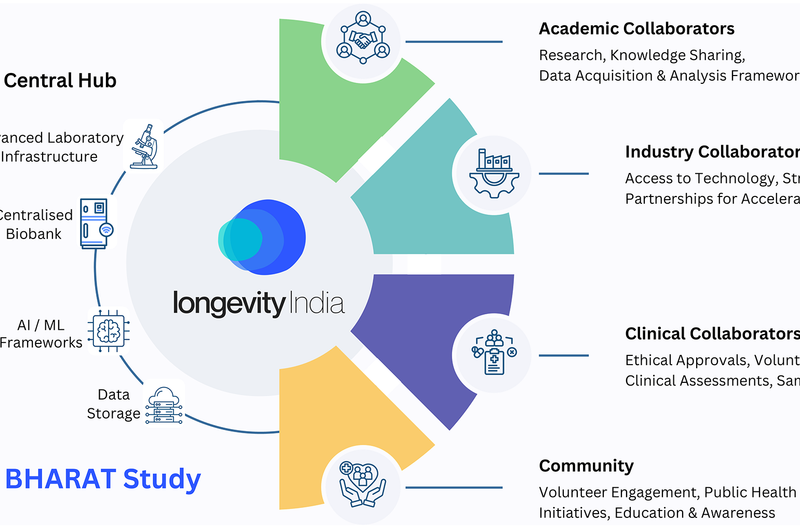
A new research paper was published in Volume 18 of Aging-US on April 24, 2026, titled “The BHARAT study: a multi-modal, multi-omics investigation of aging signatures in the Indian population.”
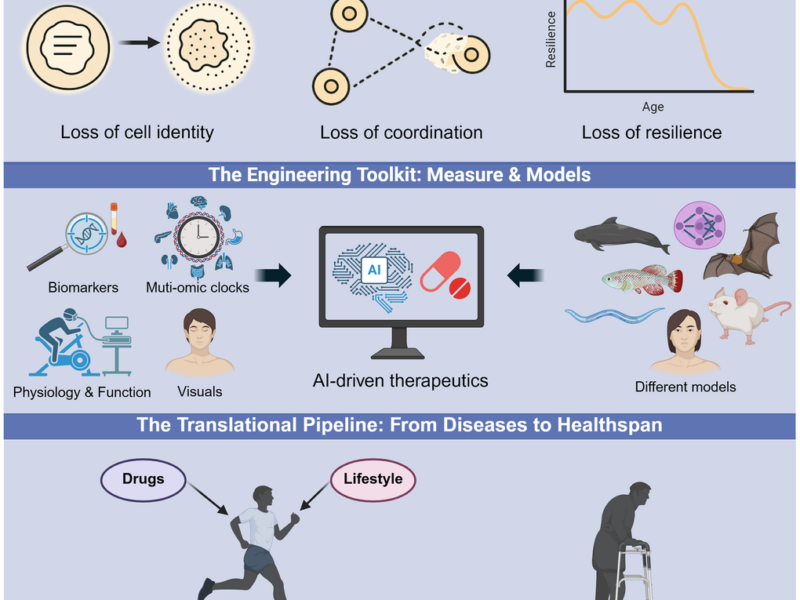
A new meeting report was published in Volume 18 of Aging-US on April 6, 2026, titled “Toward actionable interventions in human aging (12th ARDD meeting, 2025).”
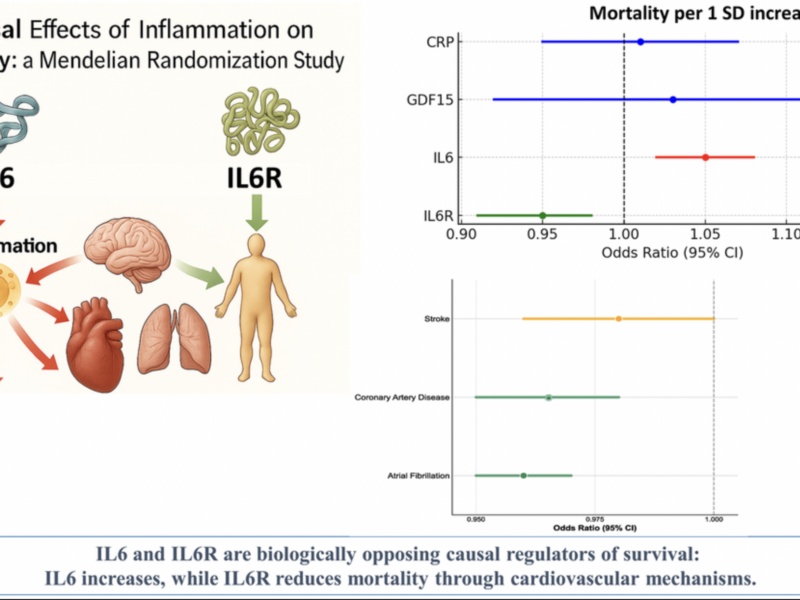
A new research paper was published in Volume 18 of Aging-US on February 6, 2026, titled “Causal effects of inflammation on long-term mortality: a Mendelian randomization study.”
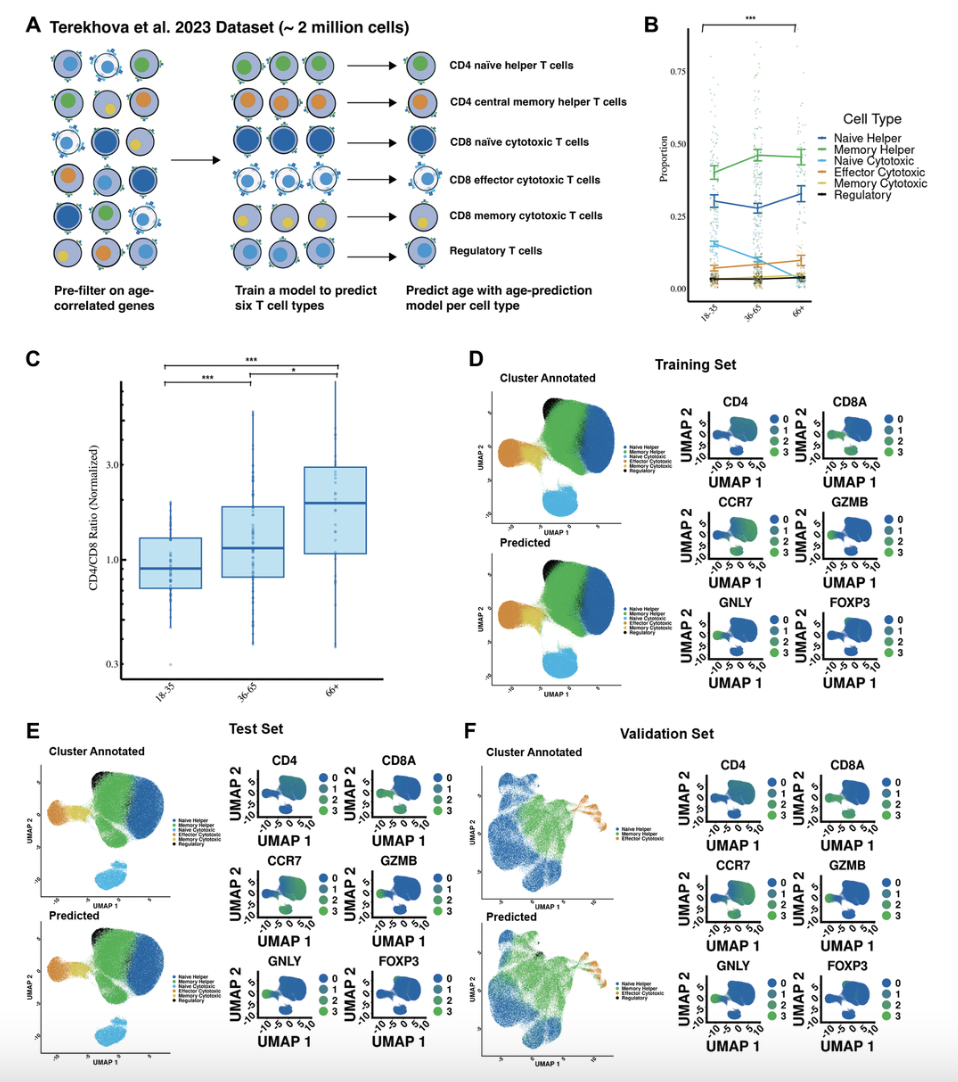
New Single-Cell Transcriptomic Clock Reveals Intrinsic and Systemic T Cell Aging in COVID-19 and HIV
A new research paper was published in Volume 18 of Aging-US on February 8, 2026, titled “Single-cell transcriptomics reveal intrinsic and systemic T cell aging in COVID-19 and HIV.”

A new editorial was published in Aging-US on October 13, 2025, titled “Longevity clinics: between promise and peril.”

Aging (Aging-US) invites submissions for a Special Collection dedicated to the theme of cellular senescence, spanning its basic mechanisms, physiological and pathological functions, and clinical applications.
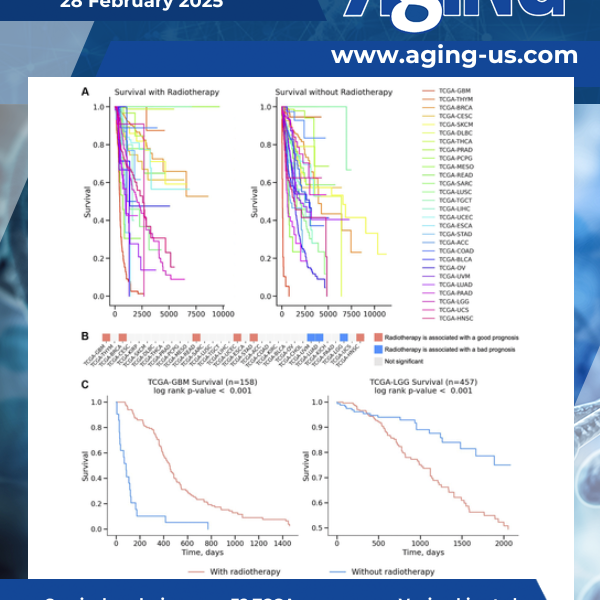
A new research paper was published in Aging (Aging-US) on February 27, 2025, as the cover of Volume 17, Issue 2, titled “Variability in radiotherapy outcomes across cancer types: a comparative study of glioblastoma multiforme and low-grade gliomas.”
Radiotherapy is a crucial treatment option for various cancers. However, the results of radiotherapy can vary widely across different cancer types and even among patients with the same type of cancer. This variability presents a major challenge in optimizing treatment strategies and improving patient survival.