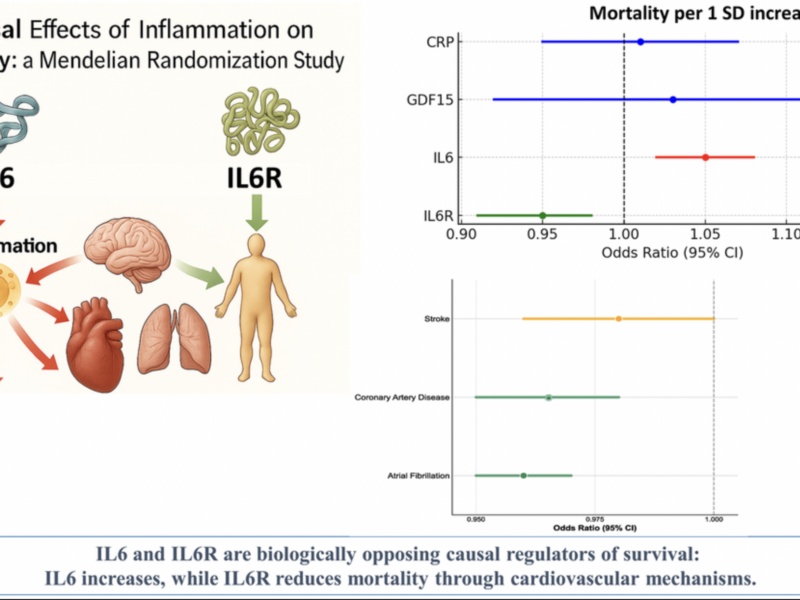
A new research paper was published in Volume 18 of Aging-US on February 6, 2026, titled “Causal effects of inflammation on long-term mortality: a Mendelian randomization study.”
Aging Journal
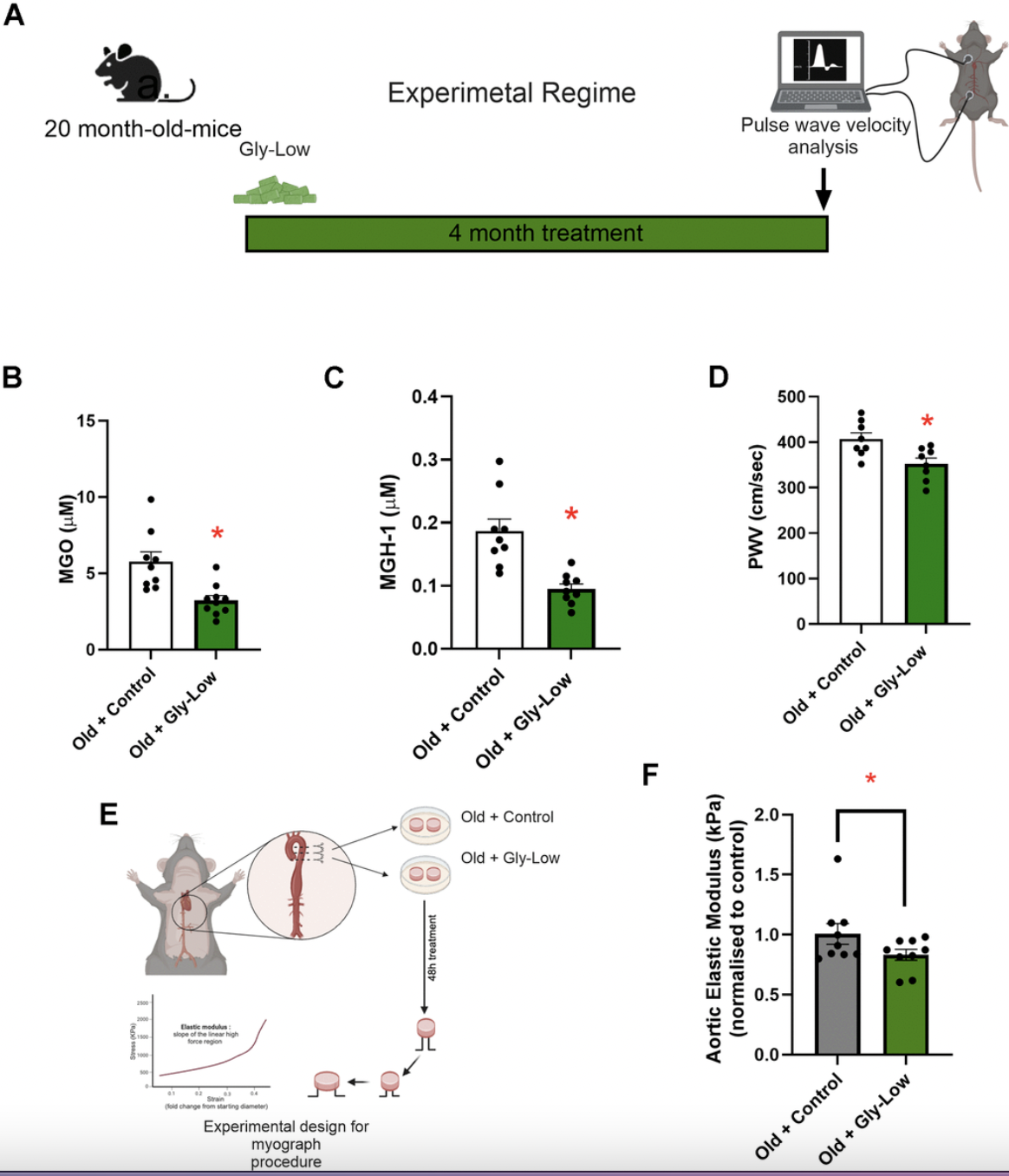
A new research paper was published in Volume 17, Issue 11 of Aging-US on November 14, 2025, titled “Methylglyoxal-induced glycation stress promotes aortic stiffening: putative mechanistic roles of oxidative stress and cellular senescence.”
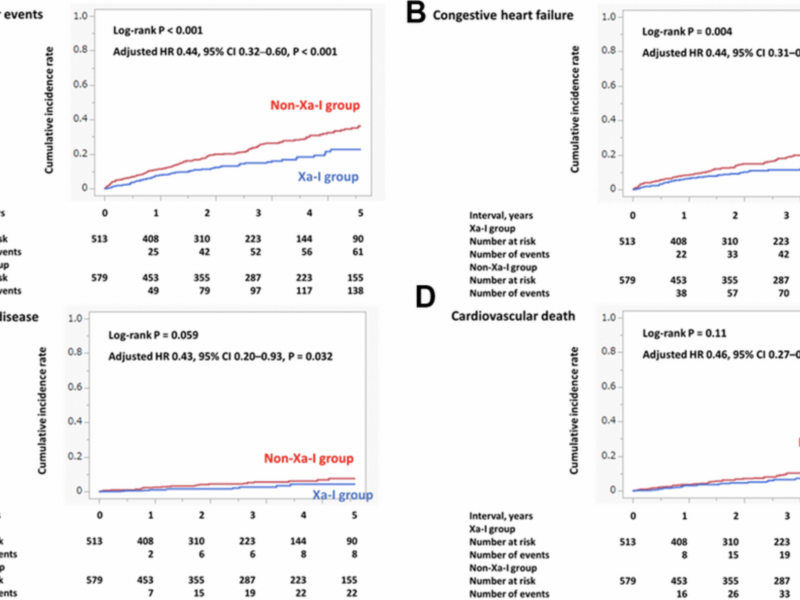
A new research paper was published in Aging (Aging-US) Volume 17, Issue 4, on April 10, 2025, titled “Impact of Factor Xa inhibitors on cardiovascular events in older patients with nonvalvular atrial fibrillation.”
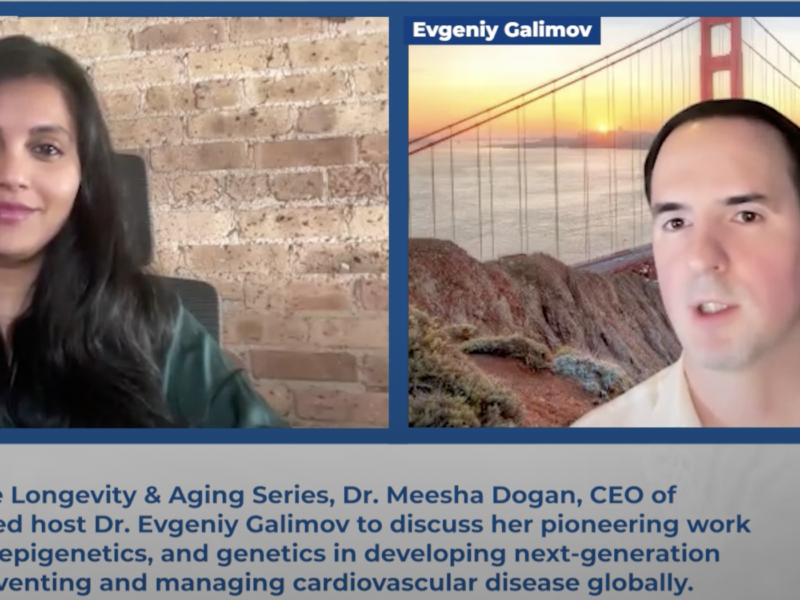
Dr. Meesha Dogan, CEO of Cardio Diagnostics, joins host Dr. Evgeniy Galimov to discuss her pioneering work in artificial intelligence, epigenetics, and genetics in developing next-generation DNA-based tests for preventing and managing cardiovascular disease globally.
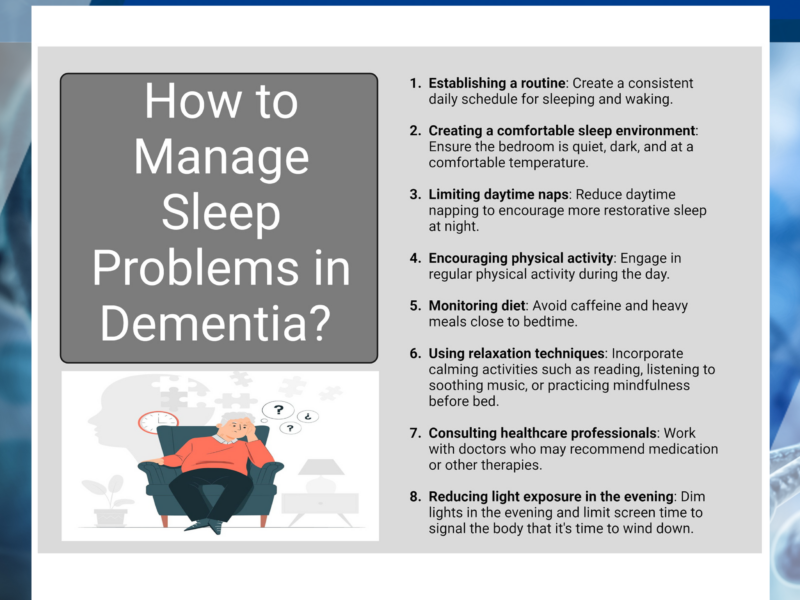
A new review was published on the cover of Aging (listed by MEDLINE/PubMed as “Aging (Albany NY)” and “Aging-US” by Web of Science) Volume 16, Issue 21, titled, “Sleep deprivation in dementia comorbidities: focus on cardiovascular disease, diabetes, anxiety/depression and thyroid disorders.”
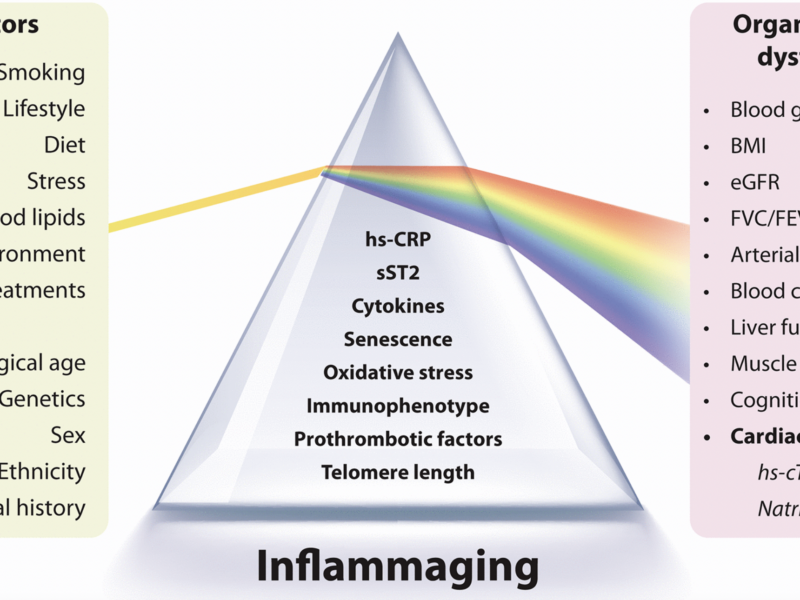
A new editorial was published in Aging (listed by MEDLINE/PubMed as “Aging (Albany NY)” and “Aging-US” by Web of Science) Volume 16, Issue 19, entitled “Integrating cardiovascular risk biomarkers in the context of inflammaging.”
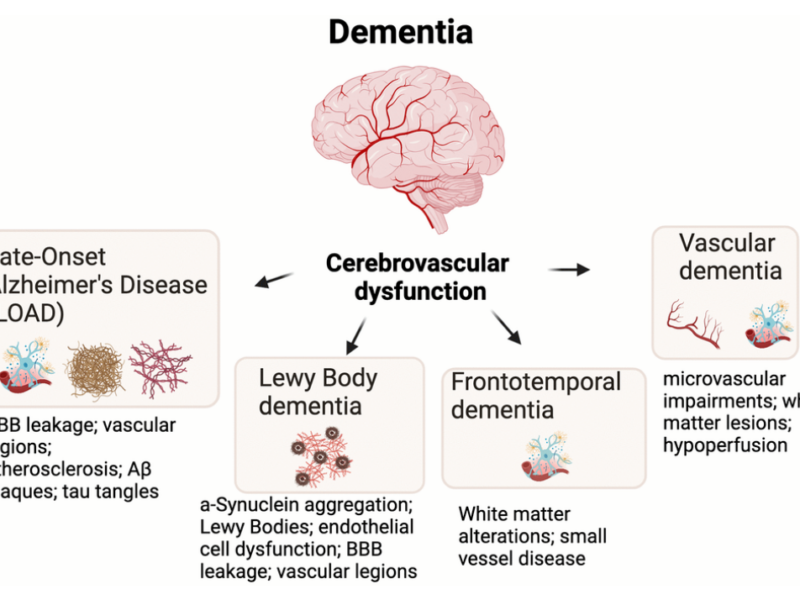
PRESS RELEASE: A new review was published in Aging’s Volume 16, Issue 10, entitled, “Peripheral vascular dysfunction and the aging brain.”
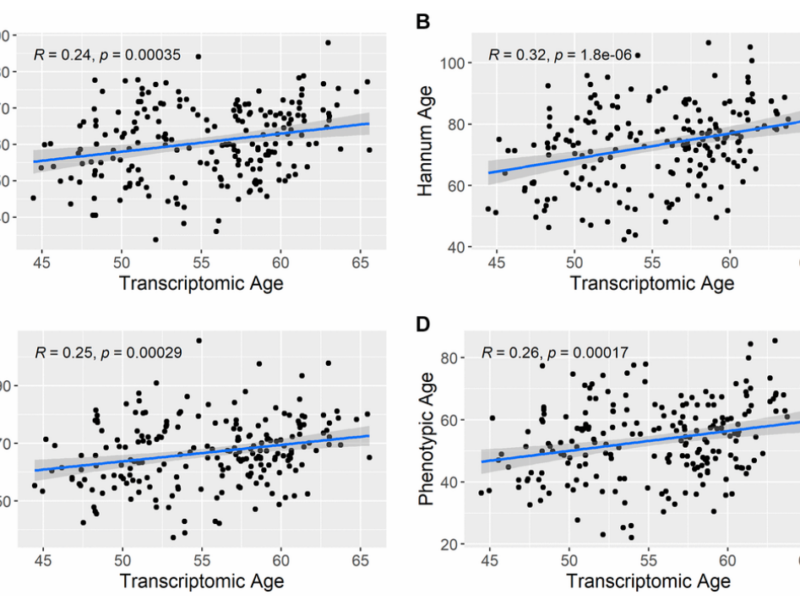
PRESS RELEASE: A new research paper was published in Aging’s Volume 16, Issue 8, entitled, “Associations among NMR-measured inflammatory and metabolic biomarkers and accelerated aging in cardiac catheterization patients.”
PRESS RELEASE: A new research paper was published in Aging’s Volume 15, Issue 23, entitled, “Angelica gigas extract inhibits acetylation of eNOS via IRE1α sulfonation/RIDD-SIRT1-mediated posttranslational modification in vascular dysfunction.”
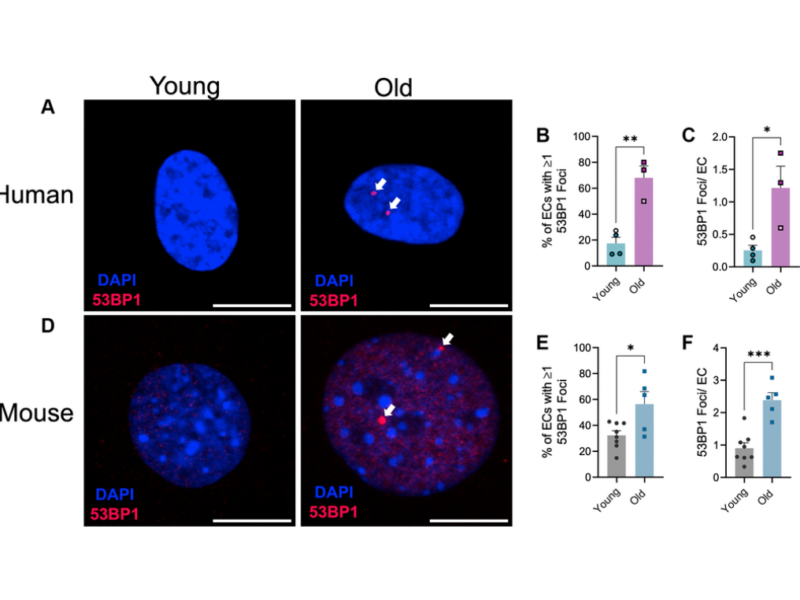
PRESS RELEASE: A new research paper was published in Aging’s Volume 15, Issue 19, entitled, “Reduction of double-strand DNA break repair exacerbates vascular aging.”