
A new research paper was published in Volume 17, Issue 11 of Aging-US on November 26, 2025, titled “Epigenetic aging signatures and age prediction in human skeletal muscle.”
Aging-US Authors

A new research paper was published in Volume 17, Issue 11 of Aging-US on November 18, 2025, titled “Epigenetic age predicts depressive symptoms during the COVID-19 pandemic in the Canadian Longitudinal Study on Aging: importance of biological sex.”

A new research paper was published in Volume 17, Issue 10 of Aging-US on September 10, 2025, titled “Longitudinal associations of epigenetic aging with cognitive aging in Hispanic/Latino adults from the Hispanic Community Health Study/Study of Latinos.”

A new research paper was published in Volume 17, Issue 7 of Aging (Aging-US) on July 7, 2025, titled “Epigenetic age and accelerated aging phenotypes: a tumor biomarker for predicting colorectal cancer.”

A new research perspective was published in Aging (Aging-US) on July 8, 2025, titled “Exercise as a geroprotector: focusing on epigenetic aging.”
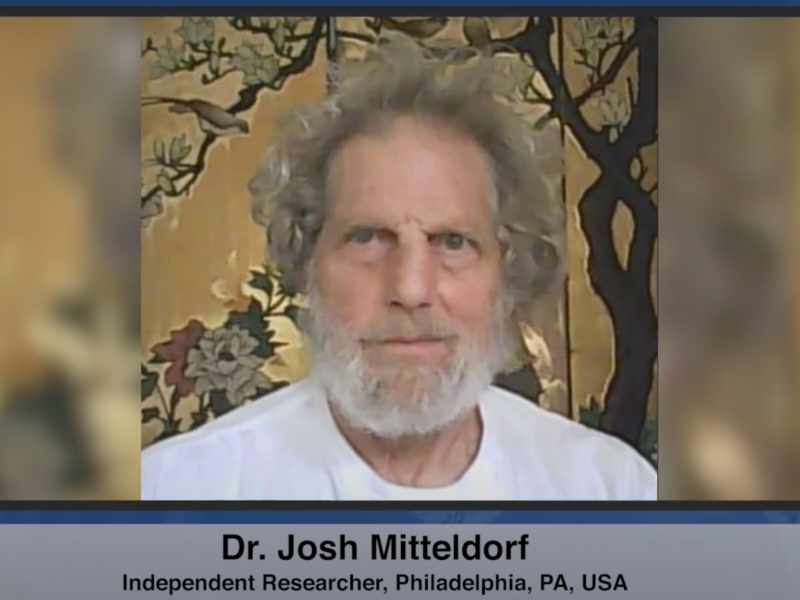
Dr. Josh Mitteldorf summarizes his research perspective published in Volume 17, Issue 5 of Aging (Aging-US), titled “Methylation clocks for evaluation of anti-aging interventions.”
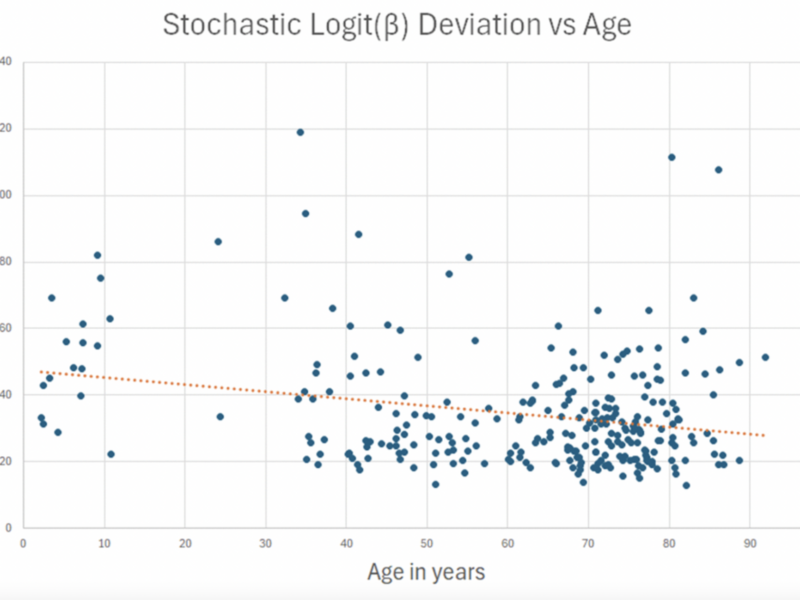
A new research perspective was published in Aging (Aging-US) Volume 17, Issue 5, on May 5, 2025, titled “Methylation clocks for evaluation of anti-aging interventions.”
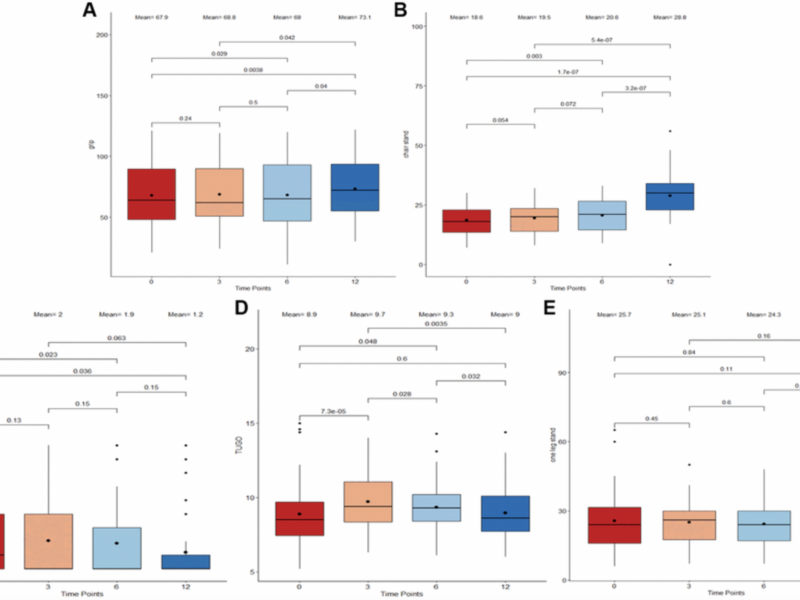
A new research paper was published in Aging (Aging-US) Volume 17, Issue 3, on March 14, 2025, titled “Effects of a natural ingredients-based intervention targeting the hallmarks of aging on epigenetic clocks, physical function, and body composition: a single-arm clinical trial.”
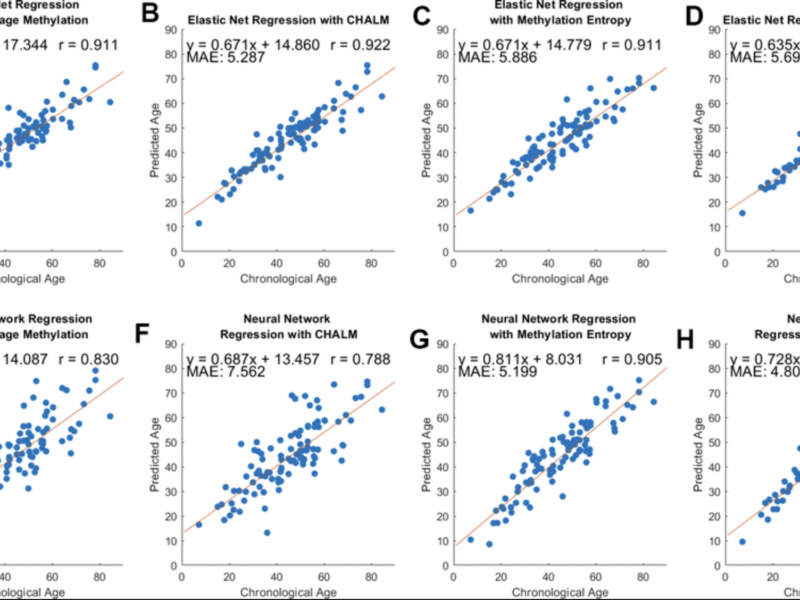
A new research paper was published in Aging (Aging-US) Volume 17, Issue 3, on March 12, 2025, titled “DNA methylation entropy is a biomarker for aging.”
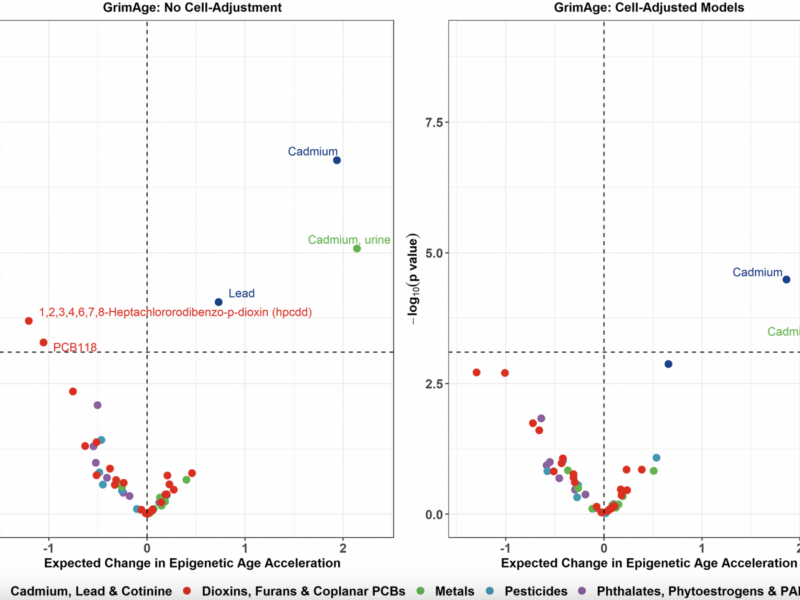
A new research paper was published in Aging (Aging-US) on February 11, 2025, Volume 17, Issue 2, titled “Exposome-wide association study of environmental chemical exposures and epigenetic aging in the national health and nutrition examination survey.”