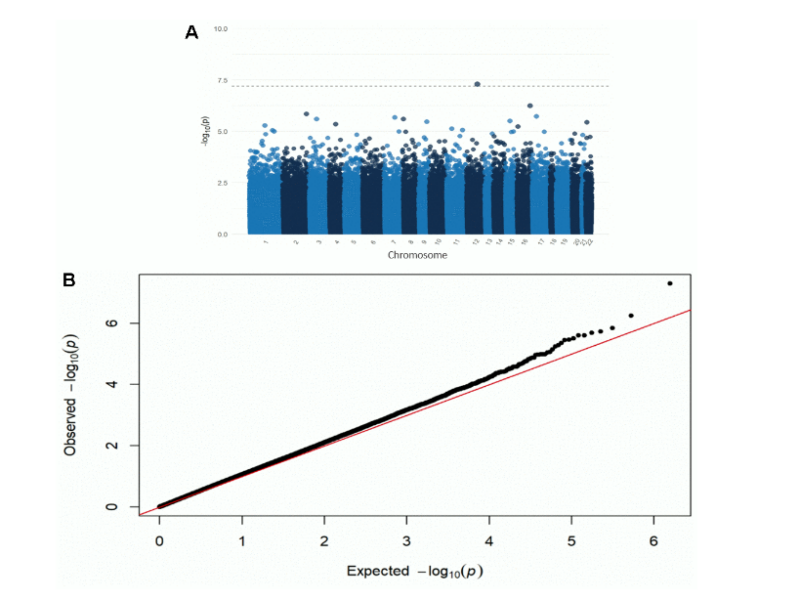
PRESS RELEASE: A new research paper was published in Aging’s Volume 16, Issue 8, entitled, “The association between neighborhood deprivation and DNA methylation in an autopsy cohort.”
Aging Journal
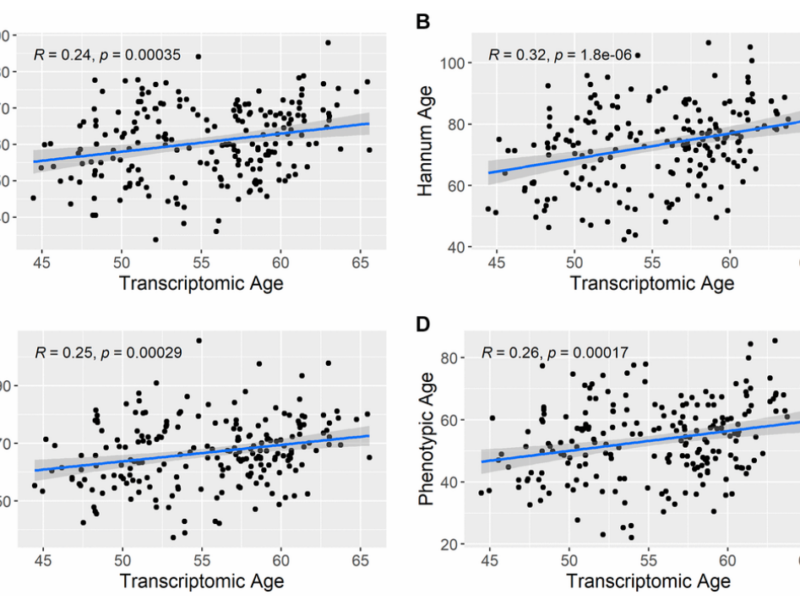
PRESS RELEASE: A new research paper was published in Aging’s Volume 16, Issue 8, entitled, “Associations among NMR-measured inflammatory and metabolic biomarkers and accelerated aging in cardiac catheterization patients.”
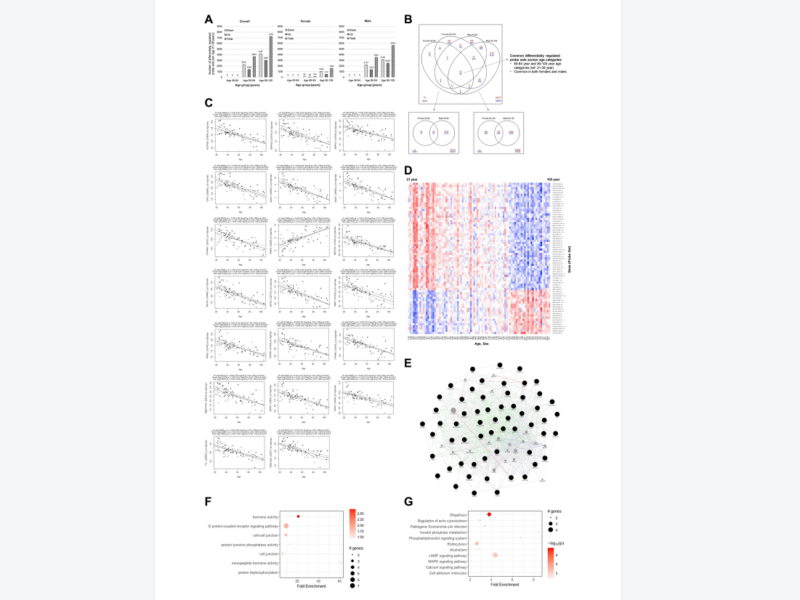
PRESS RELEASE: A new research paper was published on the cover of Aging’s Volume 16, Issue 5, entitled, “Genome-wide transcriptome profiling and development of age prediction models in the human brain.”
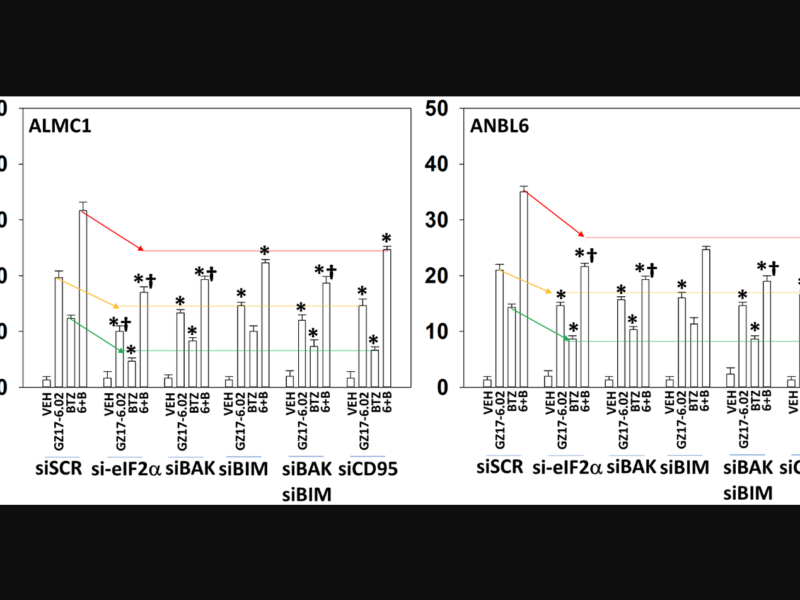
PRESS RELEASE: A new research paper was published in Aging’s Volume 16, Issue 4, entitled, “Exploring the effects of Dasatinib, Quercetin, and Fisetin on DNA methylation clocks: a longitudinal study on senolytic interventions.”
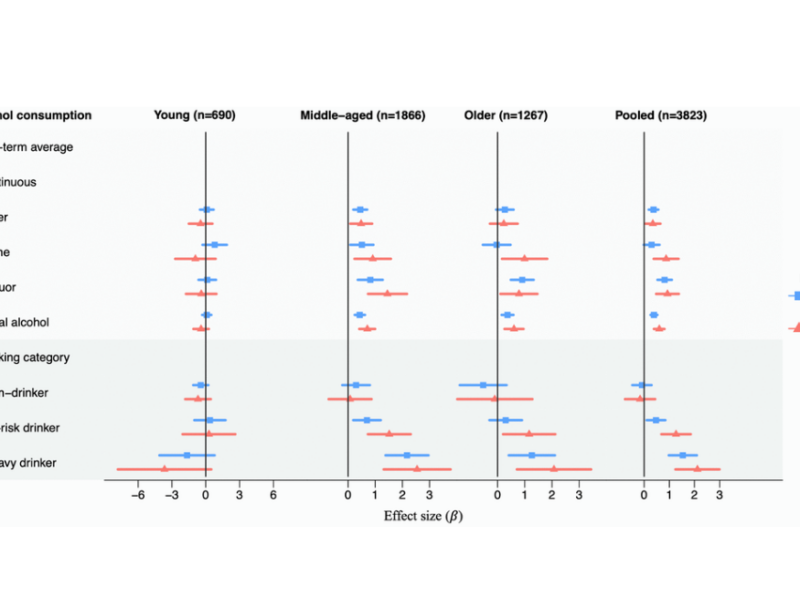
PRESS RELEASE: A new research paper was published in Aging’s Volume 15, Issue 20, entitled, “Alcohol consumption and epigenetic age acceleration across human adulthood.”
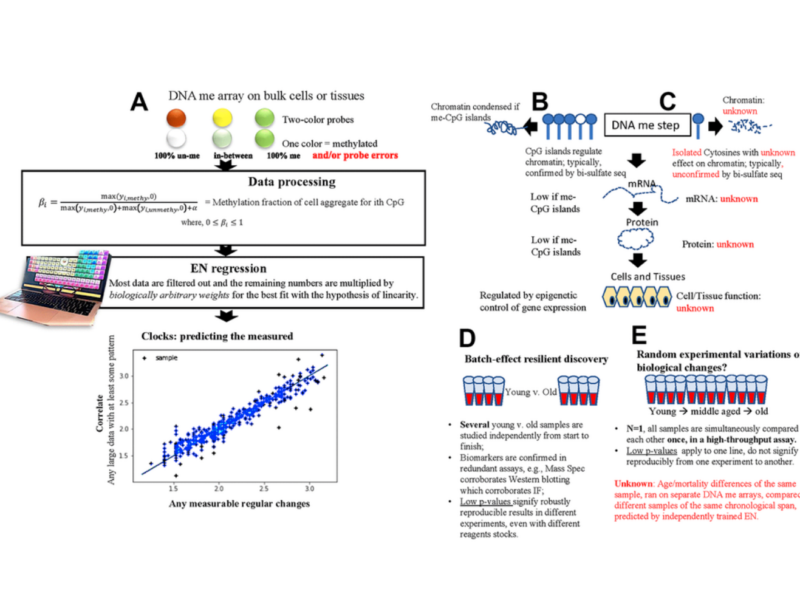
PRESS RELEASE: A new priority research paper was published on the cover of Aging’s Volume 15, Issue 17, entitled, “Fail-tests of DNA methylation clocks, and development of a noise barometer for measuring epigenetic pressure of aging and disease.”
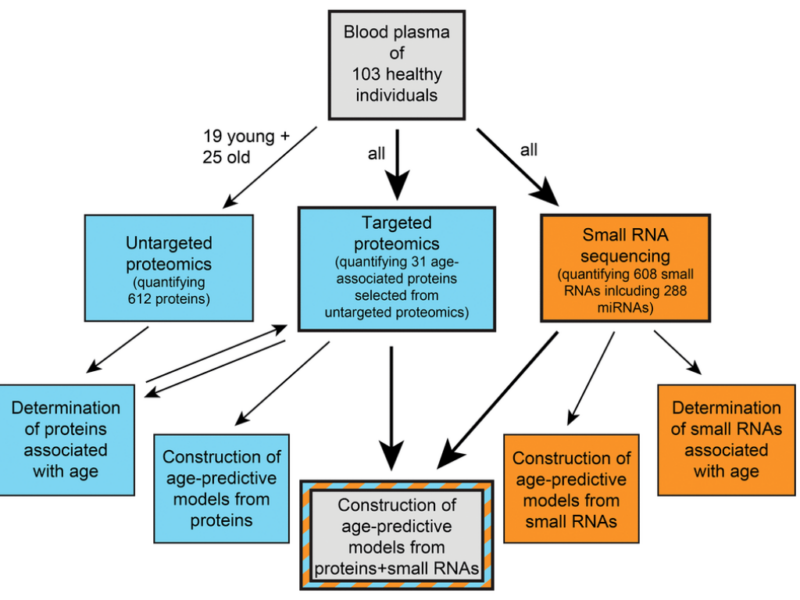
PRESS RELEASE: A new research paper was published on the cover of Aging’s Volume 15, Issue 12, entitled, “Age prediction from human blood plasma using proteomic and small RNA data: a comparative analysis.”
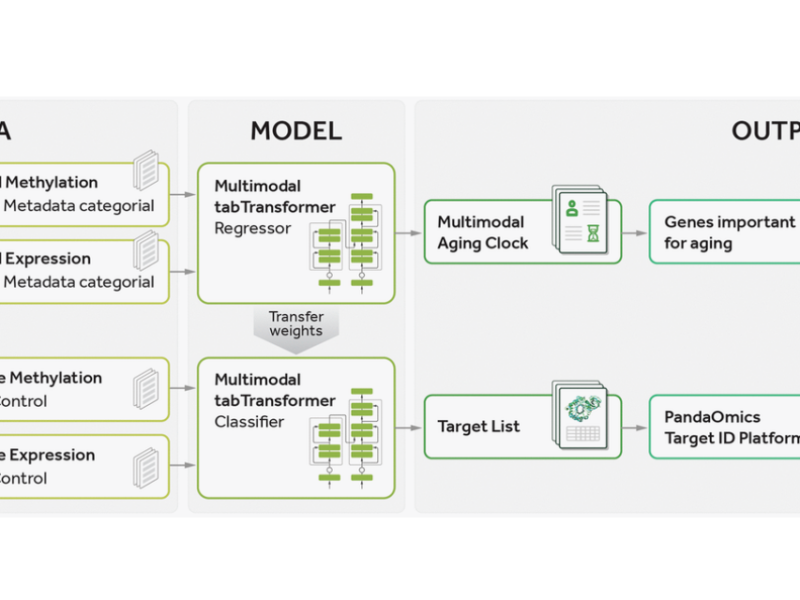
PRESS RELEASE: A new research paper was published in Aging’s Volume 15, Issue 11, entitled, “Precious1GPT: multimodal transformer-based transfer learning for aging clock development and feature importance analysis for aging and age-related disease target discovery.”
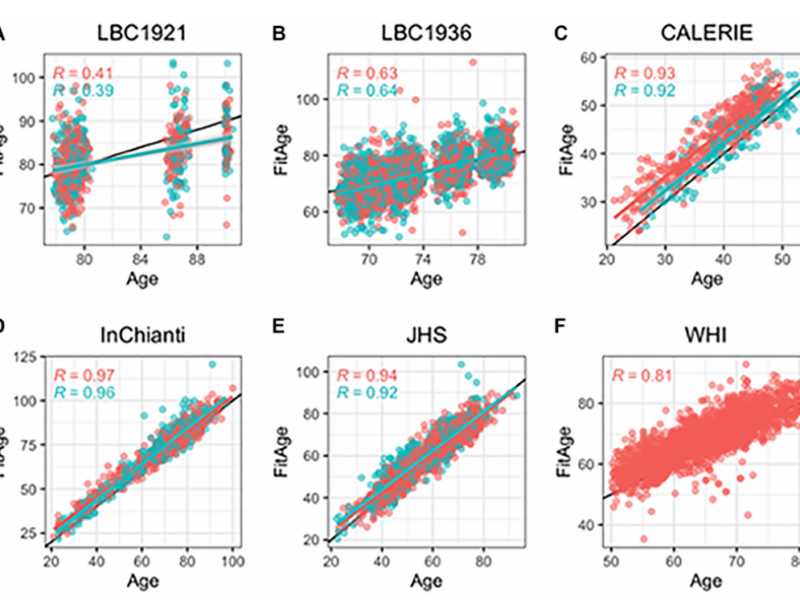
PRESS RELEASE: A new research paper was published in Aging’s Volume 15, Issue 10, entitled, “DNAmFitAge: biological age indicator incorporating physical fitness.”

PRESS RELEASE: A new research paper was published in Aging’s Volume 15, Issue 3, entitled, “Epigenetic age and lung cancer risk in the CLUE II prospective cohort study.”