
A new review was published in Volume 17, Issue 12 of Aging-US on December 30, 2025, titled “Aging as a multifactorial disorder with two stages.”
Aging-US Authors
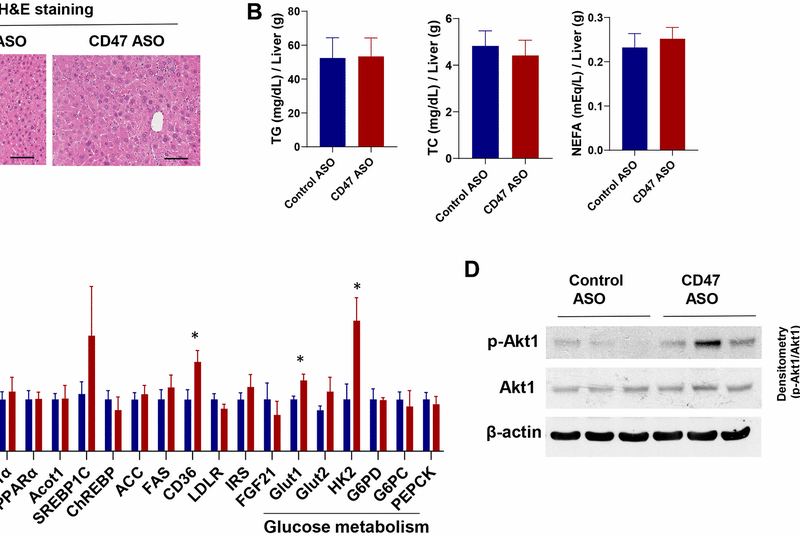
A new research paper was published in Volume 17, Issue 12 of Aging-US on December 1, 2025, titled “CD47 antisense oligonucleotide treatment improves glucose homeostasis and alleviates dyslipidemia in aged male mice.”
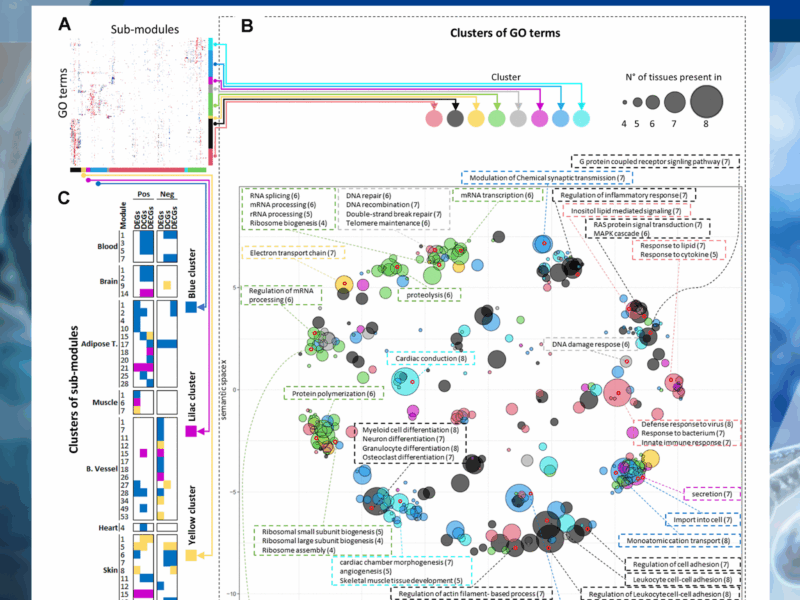
A new research paper featured as the cover of Volume 17, Issue 12 of Aging-US was published on December 22, 2025, titled “A combination of differential expression and network connectivity analyses identifies a common set of RNA splicing and processing genes altered with age across human tissues.”

A new research paper was published in Volume 17, Issue 11 of Aging-US on November 26, 2025, titled “Epigenetic aging signatures and age prediction in human skeletal muscle.”
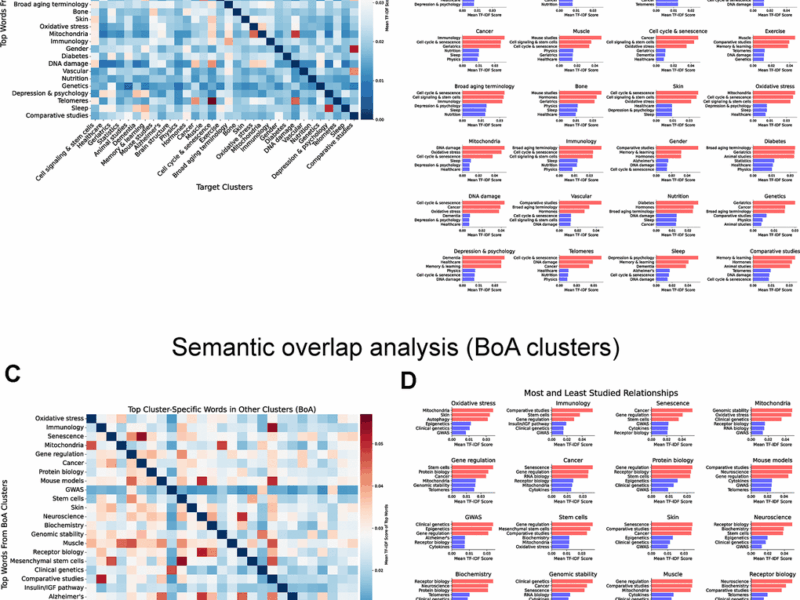
A new research paper was published in Volume 17, Issue 11 of Aging-US on November 25, 2025, titled “A natural language processing–driven map of the aging research landscape.”
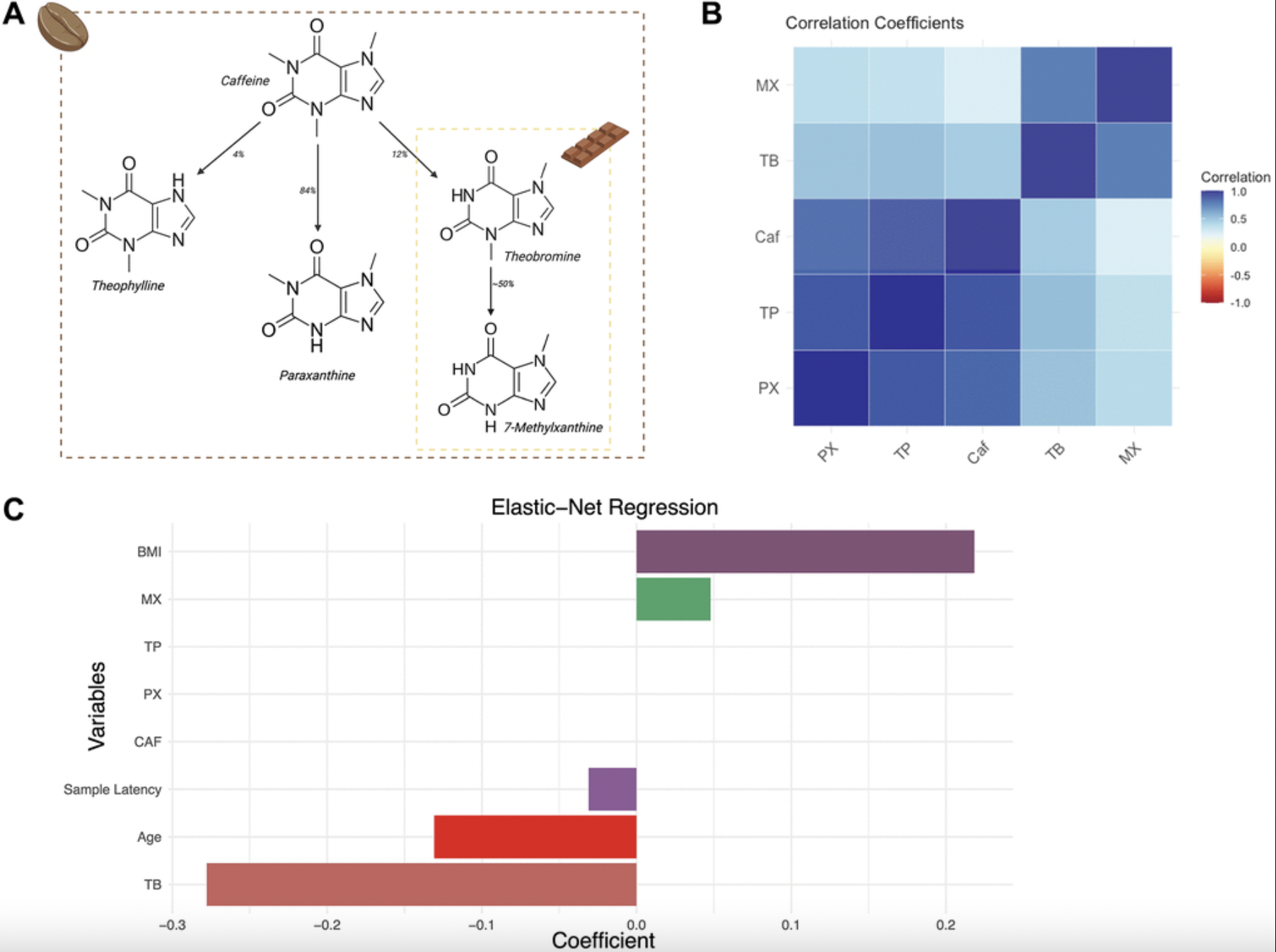
“Our findings indicate that the reported beneficial links between theobromine intake on health and ageing extend to the molecular epigenetic level in humans.” BUFFALO, NY
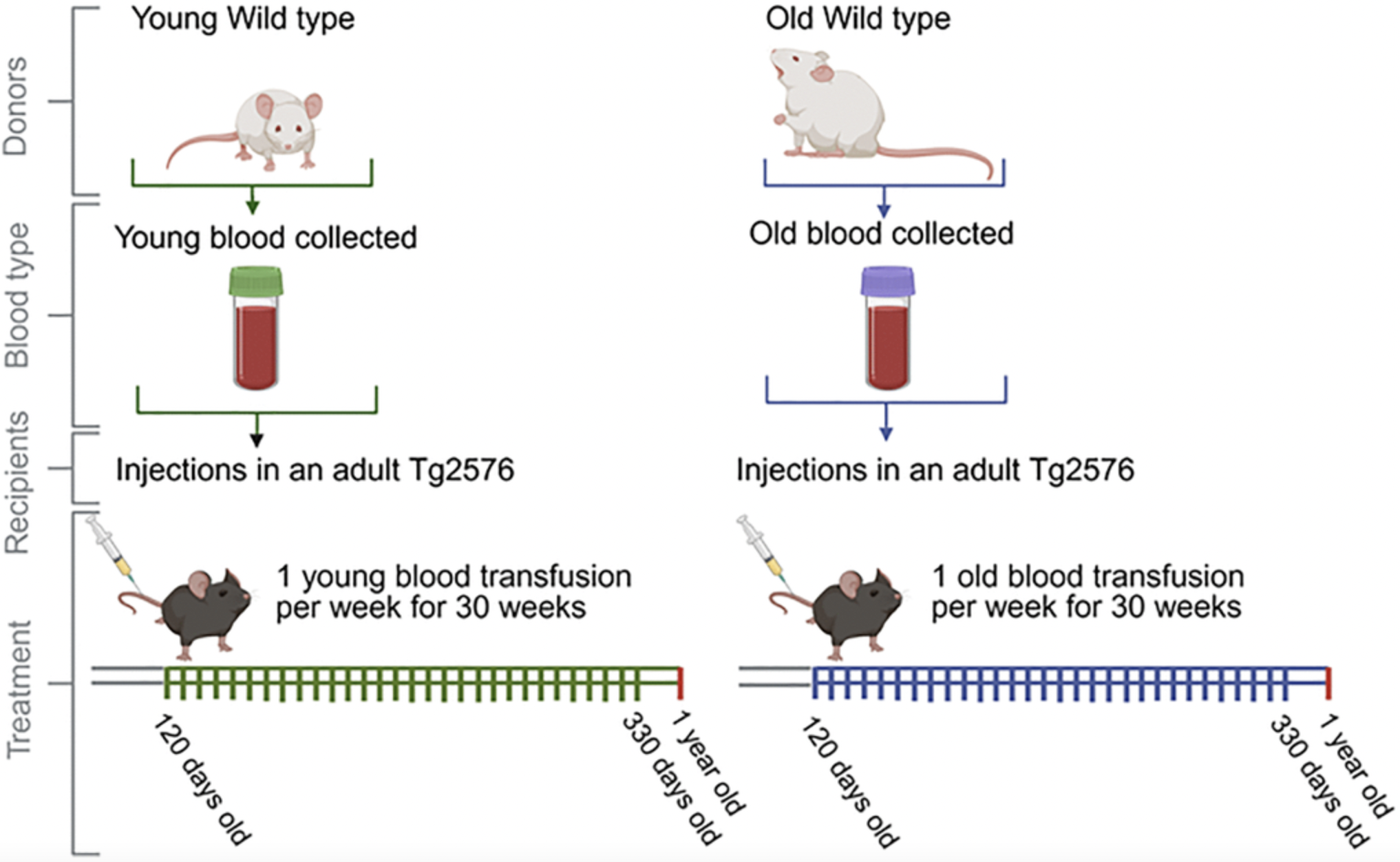
A new research paper was published in Volume 17, Issue 11 of Aging-US on September 12, 2025, titled “Infusion of blood from young and old mice modulates amyloid pathology.”

A new research paper featured on the cover of Volume 17, Issue 11 of Aging-US was published on October 30, 2025, titled “SAMP-Score: a morphology-based machine learning classification method for screening pro-senescence compounds in p16 positive cancer cells.”

A new research paper was published in Volume 17, Issue 10 of Aging-US on October 13, 2025, titled “Hospitalization with infections and risk of Dementia: a systematic review and meta-analysis.”
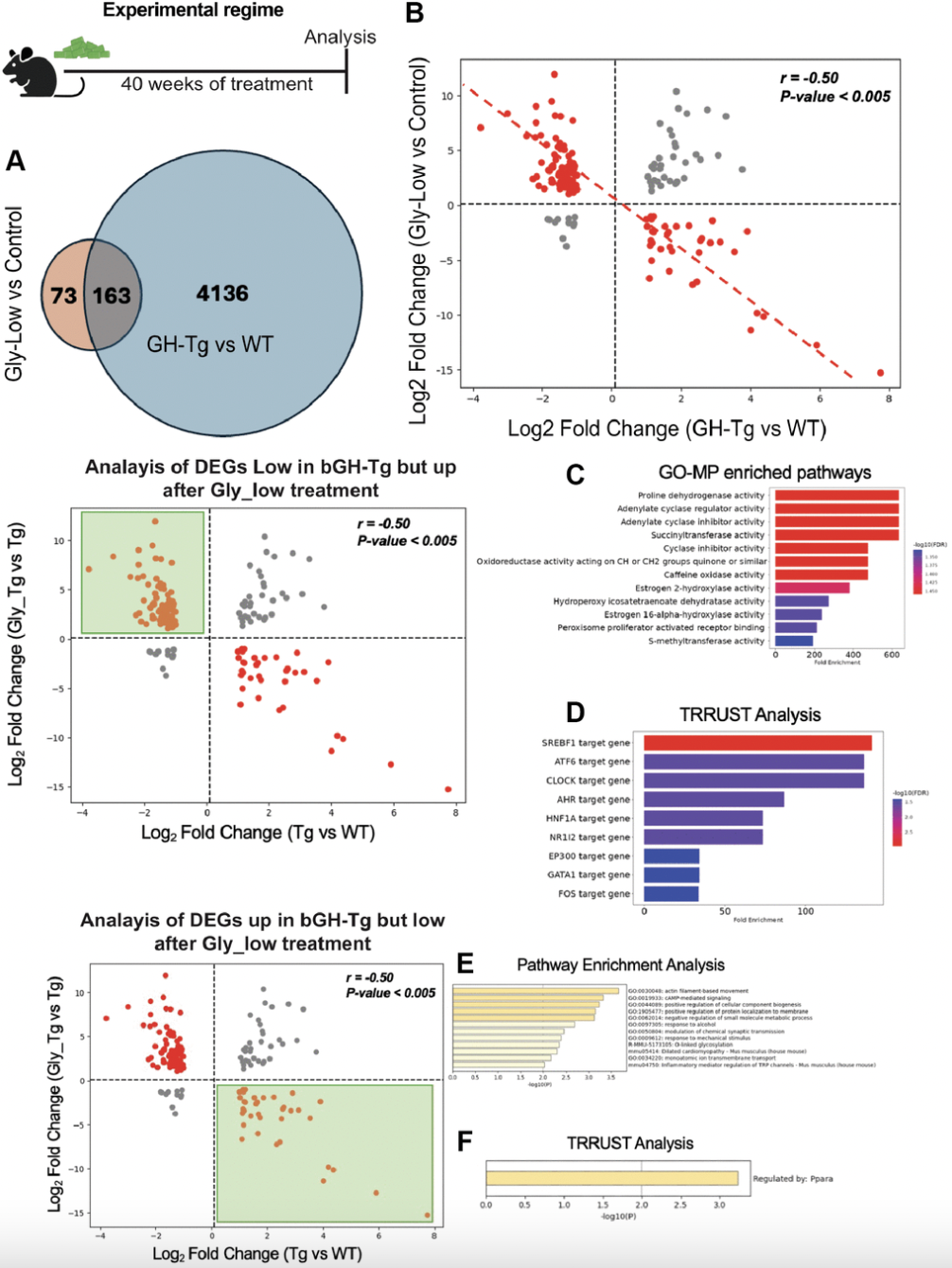
A new research paper was published in Volume 17, Issue 10 of Aging-US on October 3, 2025, titled “Growth hormone excess drives liver aging via increased glycation stress.”