
A new research perspective was published in Volume 18 of Aging-US on February 24, 2026, titled “A decline in glycolytic ATP production is the fundamental mechanism limiting lifespan; species with an optimal rate of decline over time survived.”
Aging-US Authors
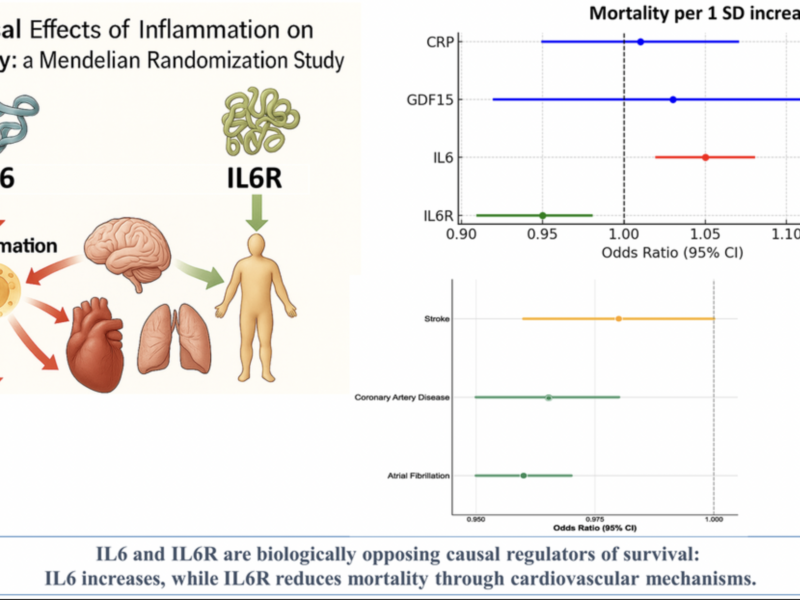
A new research paper was published in Volume 18 of Aging-US on February 6, 2026, titled “Causal effects of inflammation on long-term mortality: a Mendelian randomization study.”
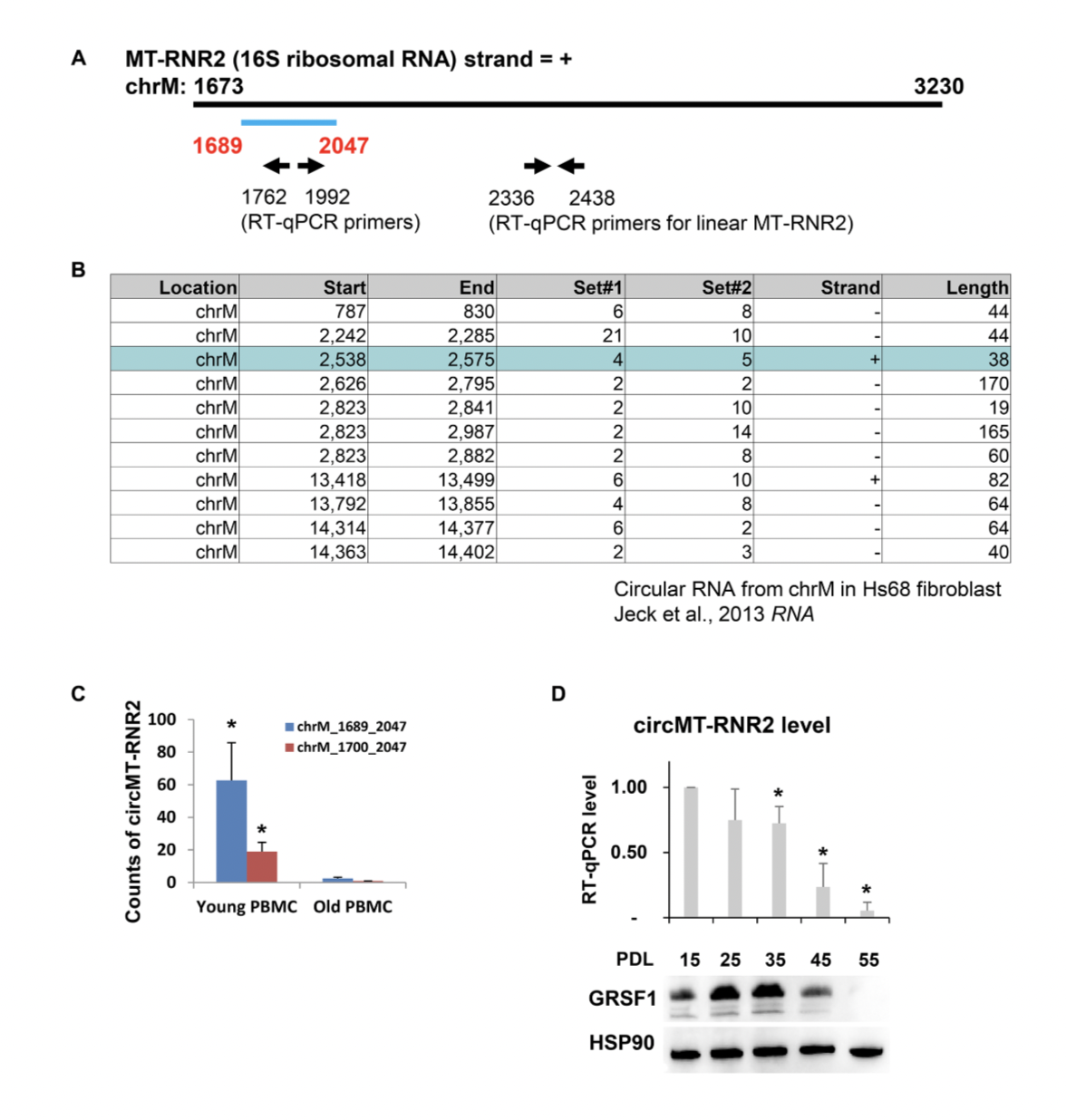
A new research paper was published in Volume 18 of Aging-US on February 10, 2026, titled “Aging-associated mitochondrial circular RNAs.”

New Single-Cell Transcriptomic Clock Reveals Intrinsic and Systemic T Cell Aging in COVID-19 and HIV
A new research paper was published in Volume 18 of Aging-US on February 8, 2026, titled “Single-cell transcriptomics reveal intrinsic and systemic T cell aging in COVID-19 and HIV.”
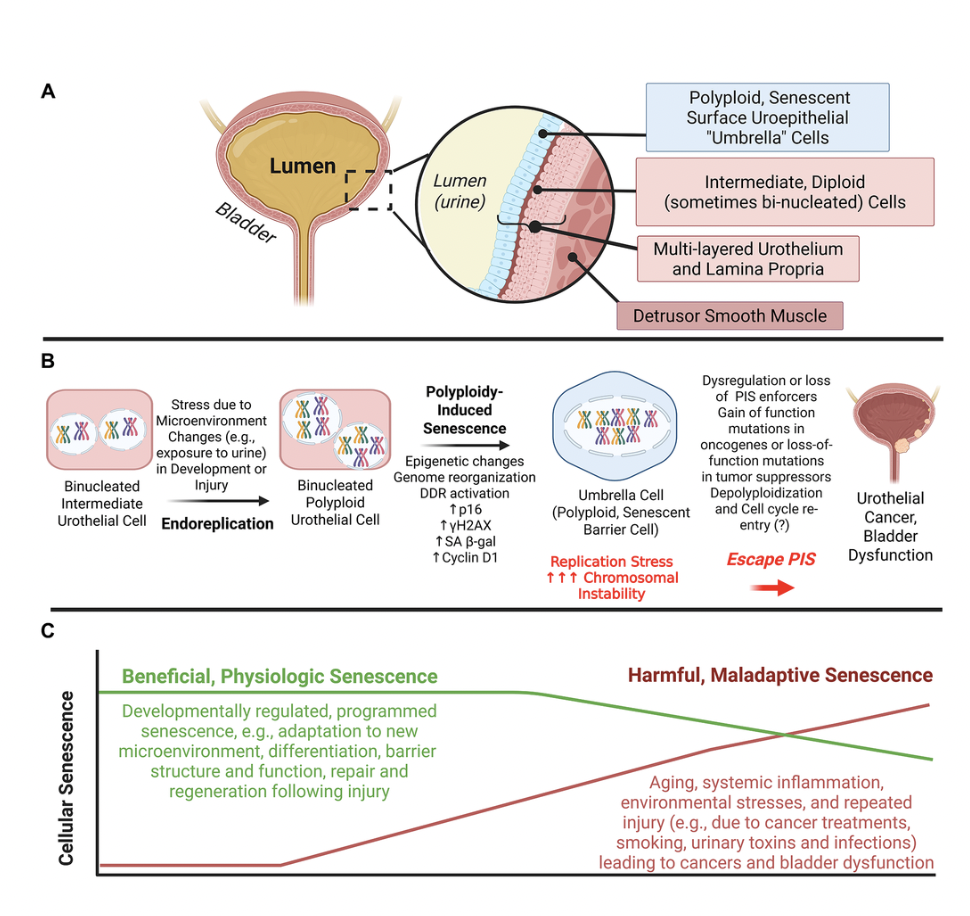
A new editorial was published in Volume 18 of Aging-US on February 8, 2026, titled “Polyploidy-induced senescence: Linking development, differentiation, repair, and (possibly) cancer?”

A new review was published in Volume 17, Issue 12 of Aging-US on December 30, 2025, titled “Aging as a multifactorial disorder with two stages.”
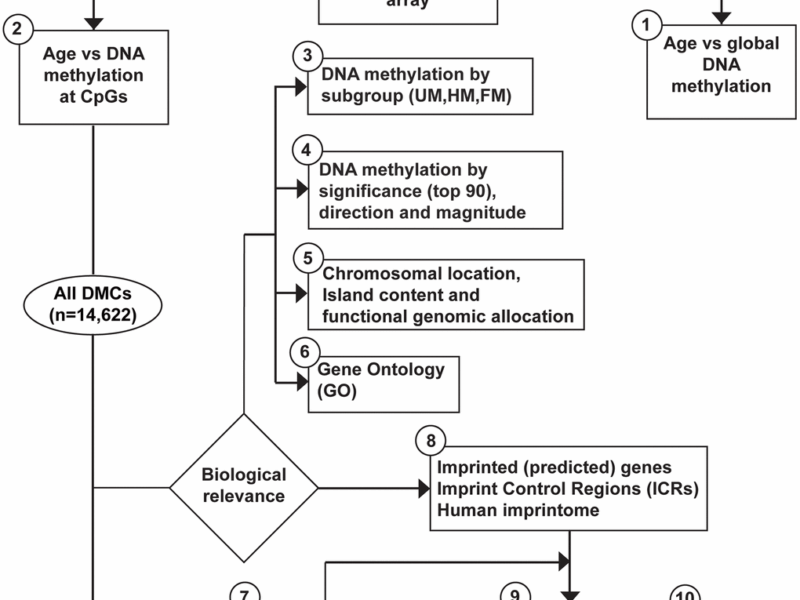
A new research paper was published in Volume 17, Issue 12 of Aging-US on December 29, 2025, titled “Age-specific DNA methylation alterations in sperm at imprint control regions may contribute to the risk of autism spectrum disorder in offspring.”
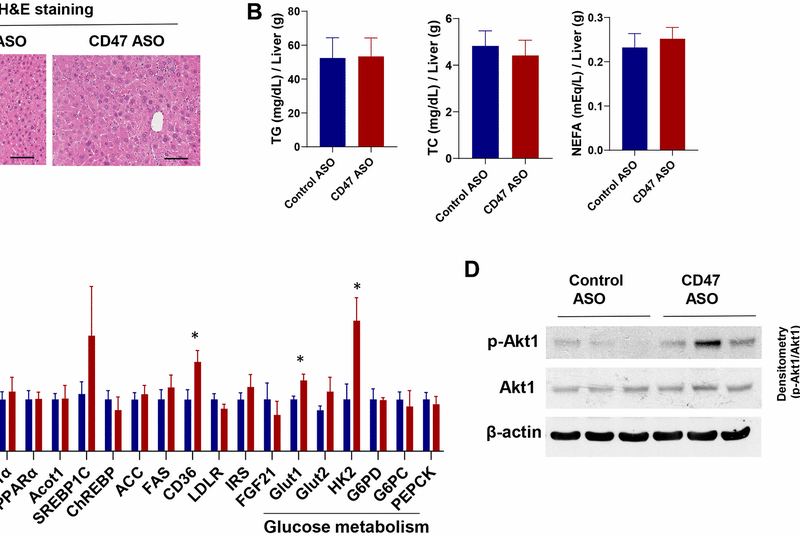
A new research paper was published in Volume 17, Issue 12 of Aging-US on December 1, 2025, titled “CD47 antisense oligonucleotide treatment improves glucose homeostasis and alleviates dyslipidemia in aged male mice.”

A new meeting report was published in Volume 17, Issue 12 of Aging-US on December 23, 2025, titled “Cellular senescence meets infection: highlights from the 10th annual International Cell Senescence Association (ICSA) conference, Rome 2025.”
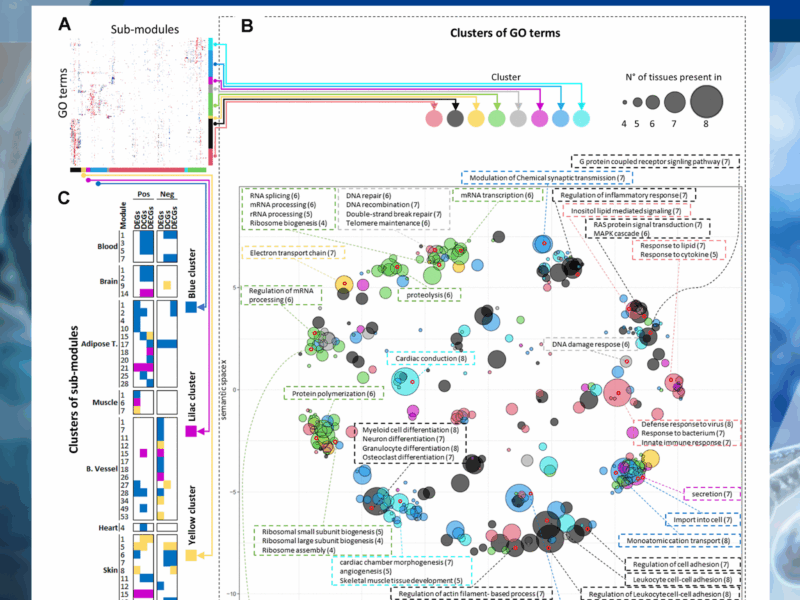
A new research paper featured as the cover of Volume 17, Issue 12 of Aging-US was published on December 22, 2025, titled “A combination of differential expression and network connectivity analyses identifies a common set of RNA splicing and processing genes altered with age across human tissues.”