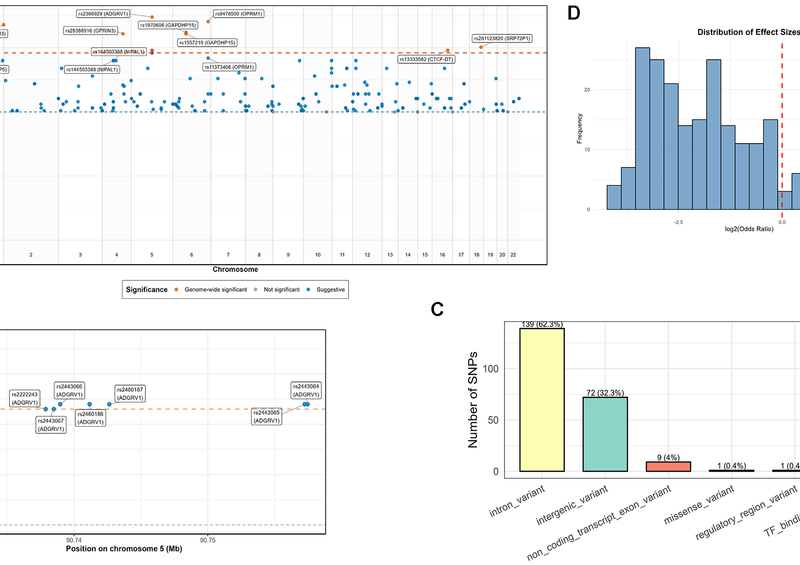
A new research paper was published in Volume 18 of Aging on July 27, 2026, titled “Transcriptomic aging clock analysis identifies key genes in opioid dependence.”
Aging Journal

A new essay was published in Volume 18 of Aging on August 6, 2026, titled “Misha Blagosklonny: a life of ideas.”

A new research perspective was published in Volume 18 of Aging on July 24, 2026, titled “A brief history of the hyperfunction theory of aging and future directions.”
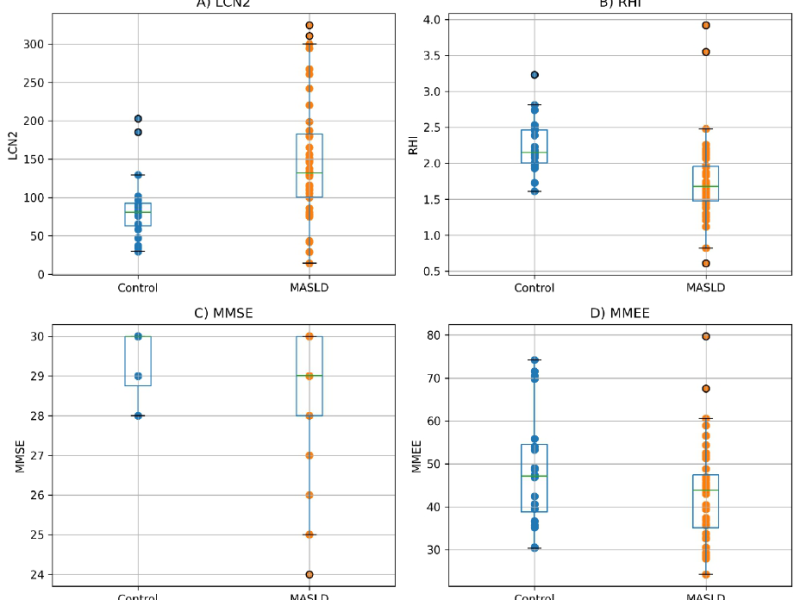
A new research paper was published in Volume 18 of Aging on July 23, 2026, titled “Adipo-neuroinflammation, cognitive impairment and surrogate markers of cardiovascular risk in patients with Metabolic Dysfunction Associated Steatotic Liver Disease (MASLD).”
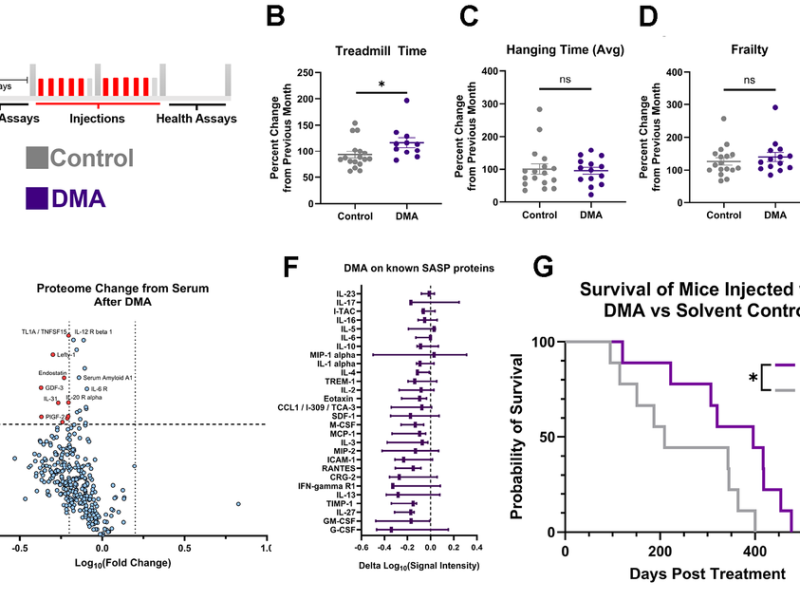
A new research paper was published in Volume 18 of Aging on July 17, 2026, titled “Selective targeting of cancer and senescence via shared metabolic shifts extends lifespan of old mice.”
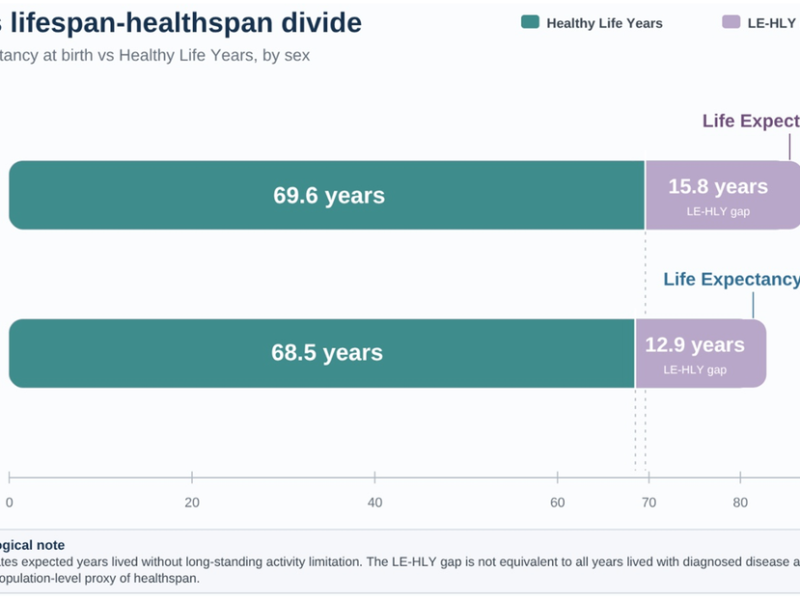
A new research perspective was published in Volume 18 of Aging on July 16, 2026, titled “Towards integration of healthspan strategies into the Italian National Health Service.”
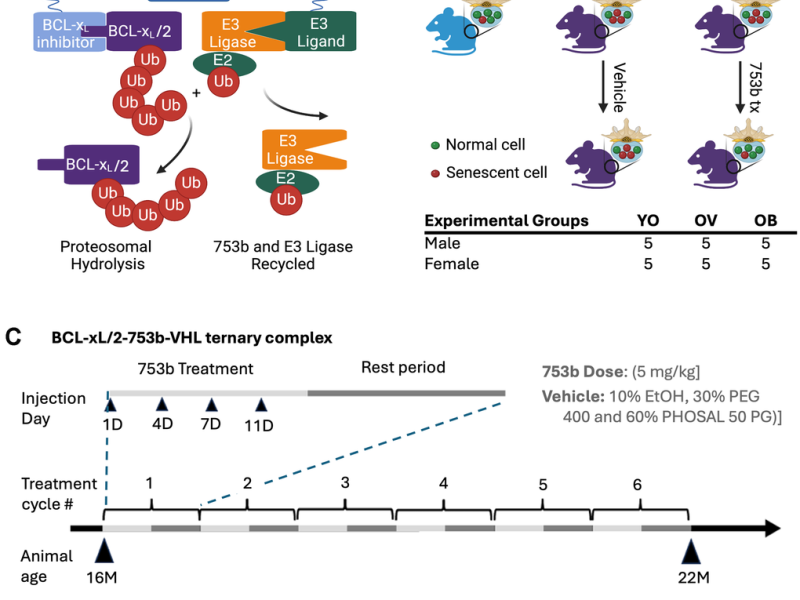
A new research paper was published in Volume 18 of Aging on July 13, 2026, titled “Slowing intervertebral disc aging in mice through long-term systemic treatment with the senolytic BCL-2/BCL-xL proteolysis targeting chimera (PROTAC) 753b.”
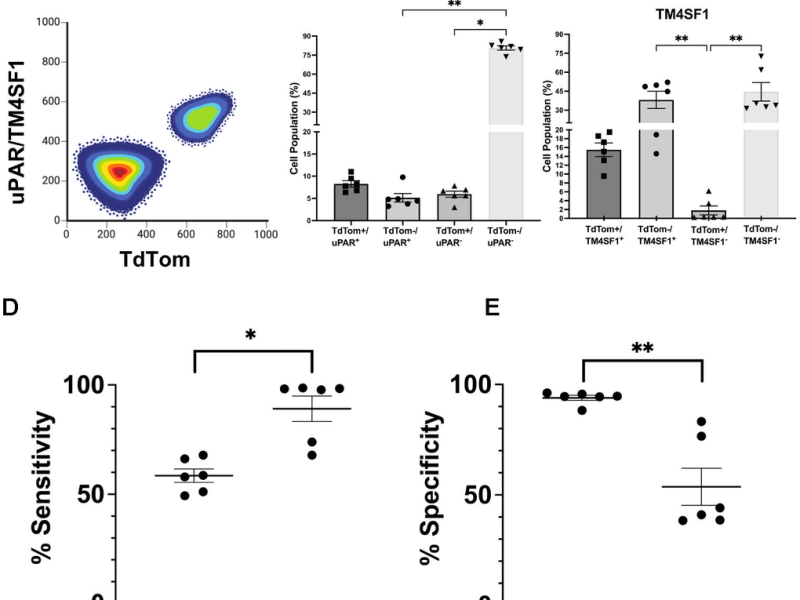
A new research paper was published in Volume 18 of Aging on July 8, 2026, titled “TM4SF1 is a surface marker of senescent pancreatic β-cells.”
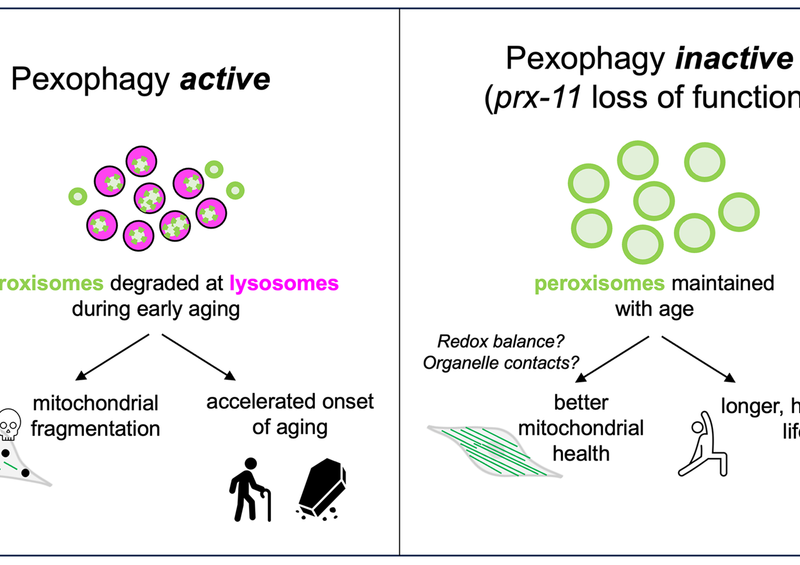
A new research paper was published in Volume 18 of Aging on July 6, 2026, titled “Inhibition of peroxisomal protein PRX-11 promotes longevity in Caenorhabditis elegans via enhancements to mitochondria.”
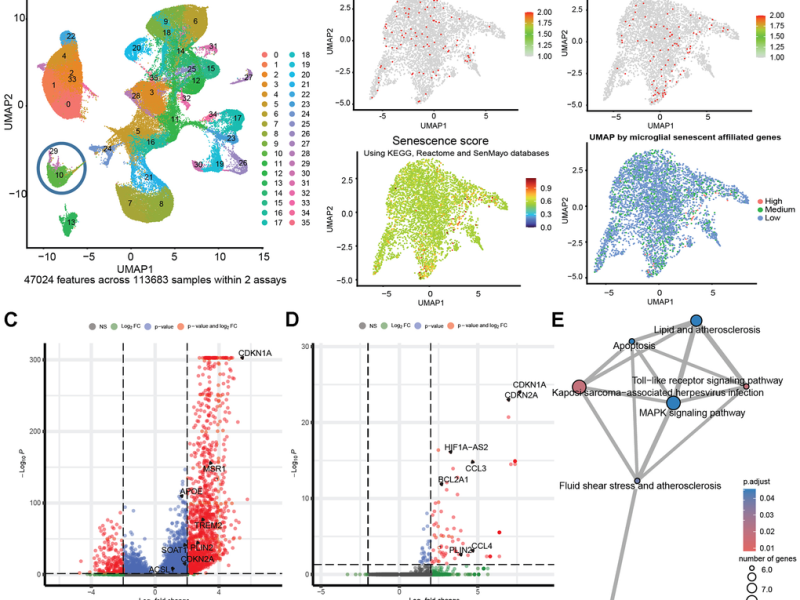
A new research paper was published in Volume 18 of Aging on July 1, 2026, titled “Senescent cells accumulate lipid droplets.”