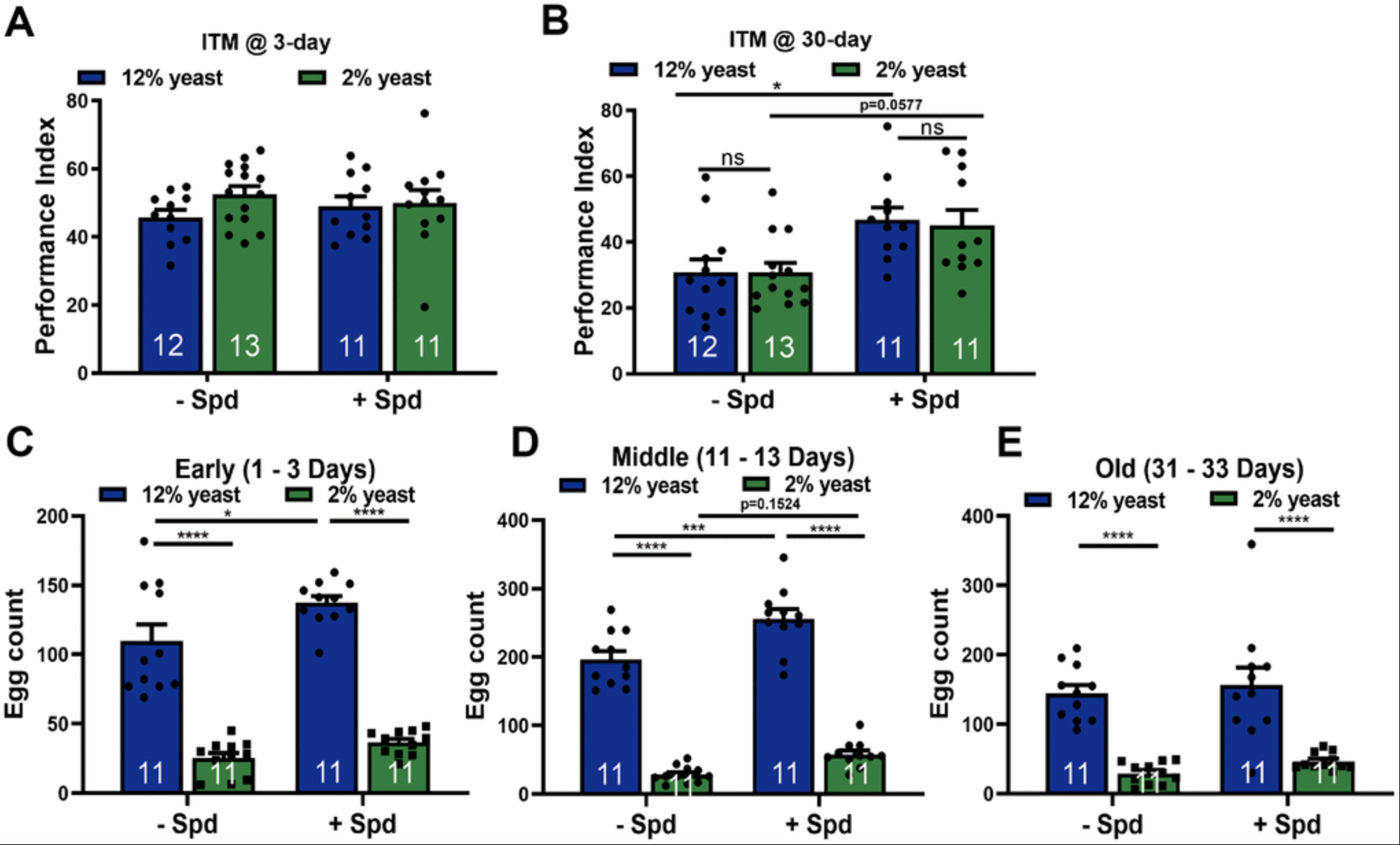
A new research paper was published in Aging (Aging-US) Volume 17, Issue 6, on June 7, 2025, titled “Spermidine supplementation and protein restriction protect from organismal and brain aging independently.”
Aging Journal
In this special collection, Aging (Aging-US) seeks to bring together cutting-edge research that spans the cellular and molecular underpinnings of cognitive aging with insights into the psychosocial, behavioral, and environmental factors that modulate its course.
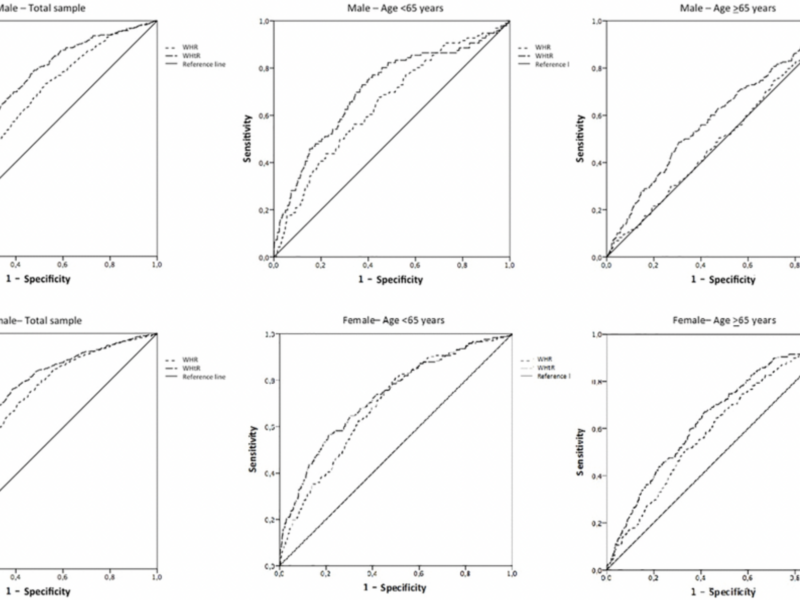
A new research paper was published in Aging (Aging-US) Volume 17, Issue 6, on May 30, 2025, titled “Impact of waist-to-hip and waist-to-height ratios on physical performance: insights from the Longevity Check-up 8+ project.”
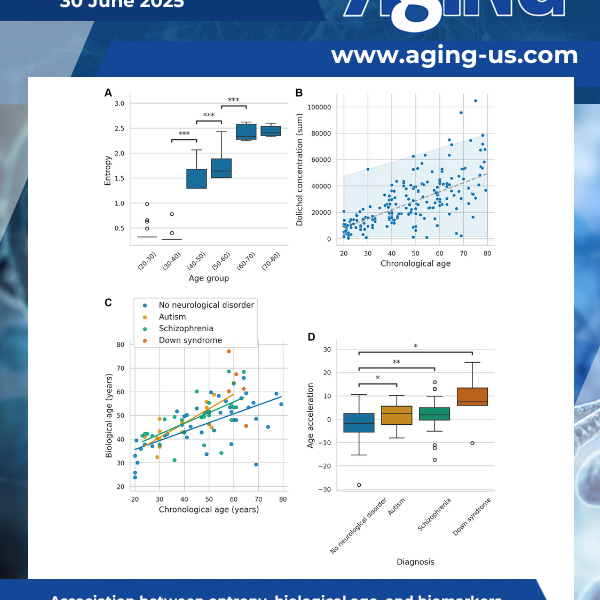
A new research paper, featured on the cover of Aging (Aging-US) Volume 17, Issue 6, was published on June 4, 2025, titled “DoliClock: a lipid-based aging clock reveals accelerated aging in neurological disorders.”
This study introduces DoliClock, a lipid-based biological aging clock designed to predict the age of the prefrontal cortex using post-mortem lipidomic data. Significant age acceleration was observed in autism, schizophrenia, and Down syndrome.
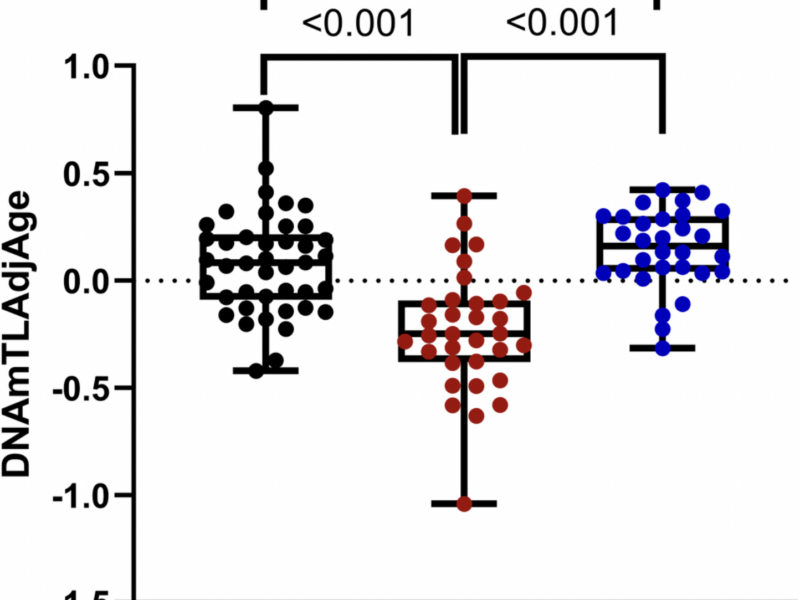
A new research paper was published in Aging (Aging-US) Volume 17, Issue 5, on May 28, 2025, titled “Investigating telomere length in progeroid syndromes: implications for aging disorders.”
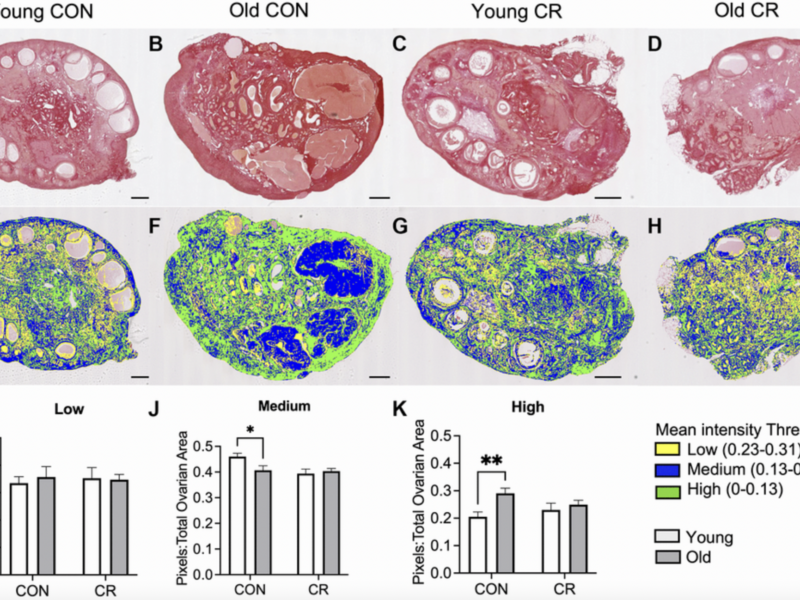
A new research paper was published in Aging (Aging-US) Volume 17, Issue 5, on May 20, 2025, titled “Short-term moderate caloric restriction in the rhesus macaque attenuates markers of ovarian aging in select populations.”
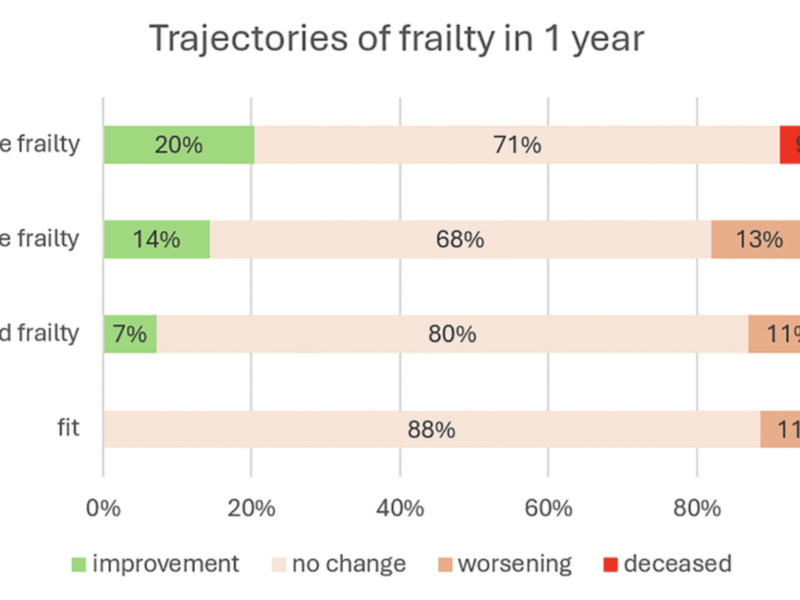
A new research paper was published in Aging (Aging-US) Volume 17, Issue 5, on May 12, 2025, titled “Frailty transitions in electronic health records: who first? what first?”
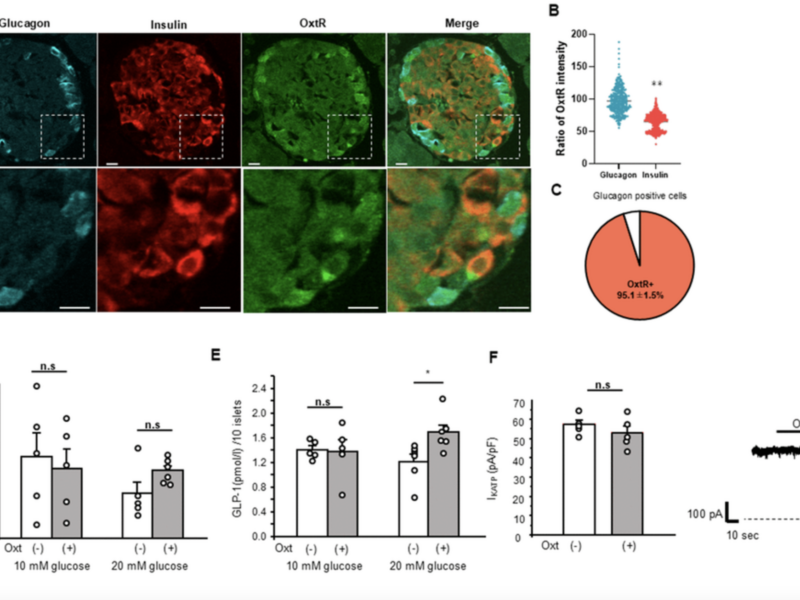
A new research paper was published in Aging (Aging-US) Volume 17, Issue 5, on May 1, 2025, titled “Oxytocin modulates insulin and GLP-1 secretion in pancreatic islets.”
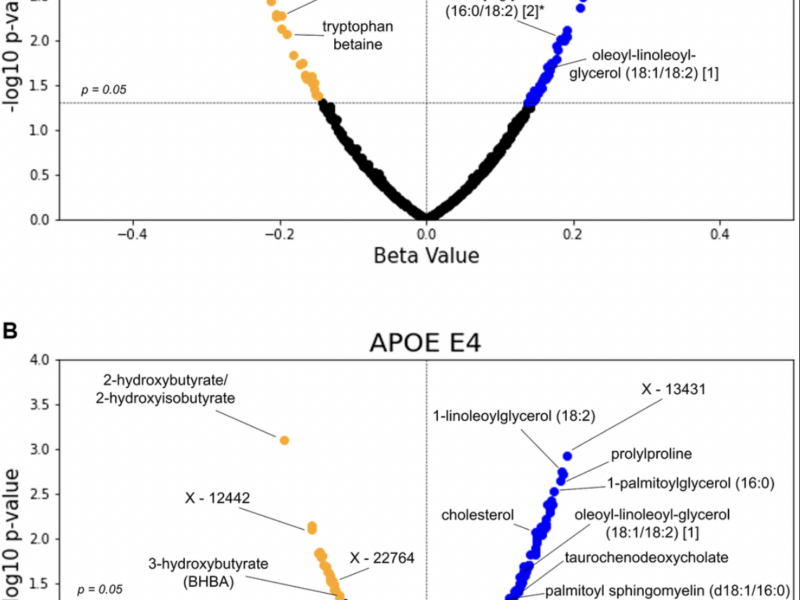
A new research paper was published in Aging (Aging-US) Volume 17, Issue 5, on May 3, 2025, titled “APOE genotype and biological age impact inter-omic associations related to bioenergetics.”