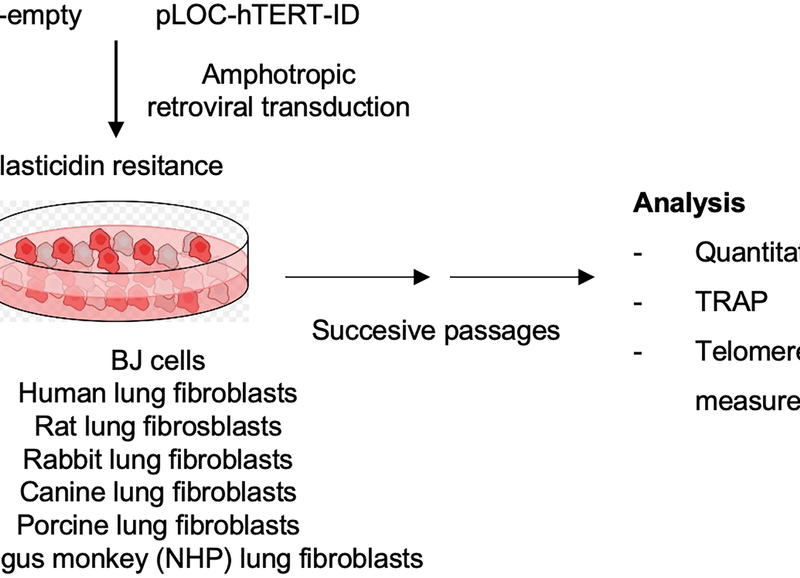
A new research paper was published in Volume 18 of Aging-US on April 13, 2026, titled “Cross species activity of TERT human telomerase component.”
Aging Journal
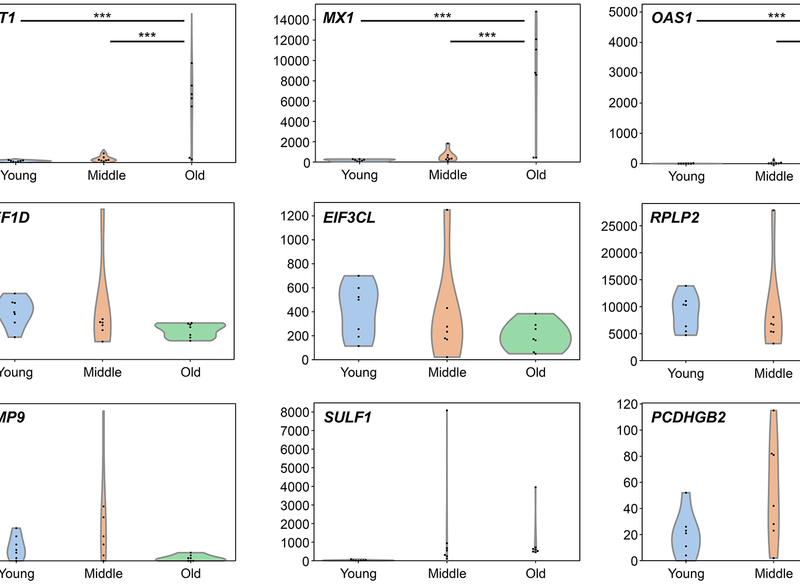
A new research paper was published in Volume 18 of Aging-US on April 10, 2026, titled “Stage-dependent transcriptomic changes in human dermal fibroblast senescence model.”
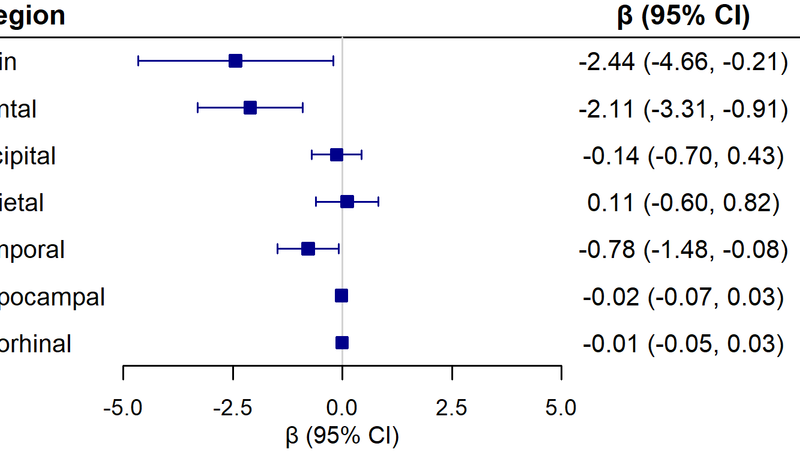
A new research paper was published in Volume 18 of Aging-US on April 7, 2026, titled “Association of epigenetic age acceleration with MRI biomarkers of aging and Alzheimer’s disease neurodegeneration.”
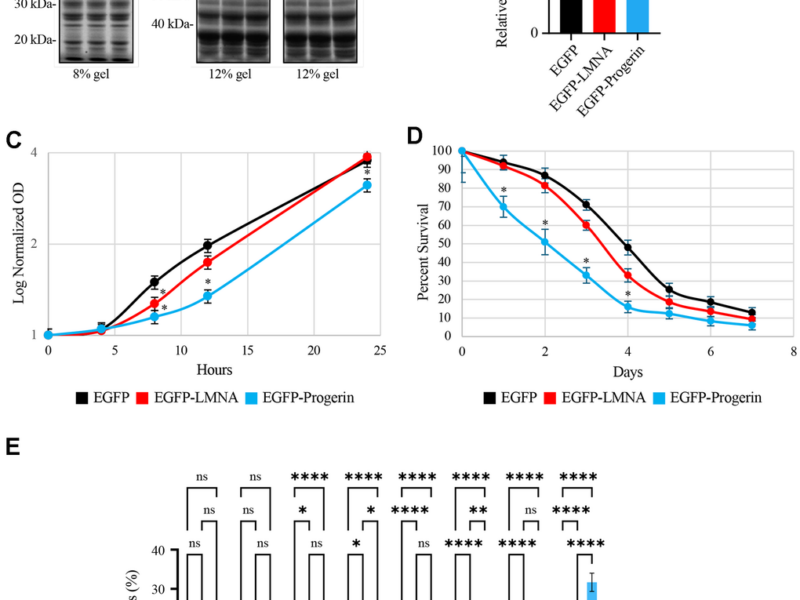
A new research paper was published in Volume 18 of Aging-US on April 3, 2026, titled “Modeling premature aging in yeast via the expression of Progerin.”
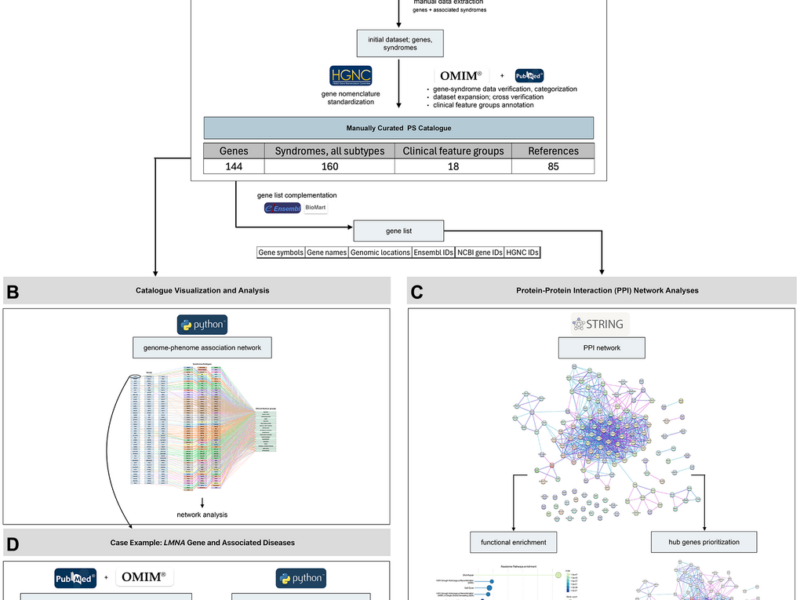
A new research paper was published in Volume 18 of Aging-US on March 30, 2026, titled “A manually curated gene–phenotype catalogue for progeroid syndromes and premature aging.”
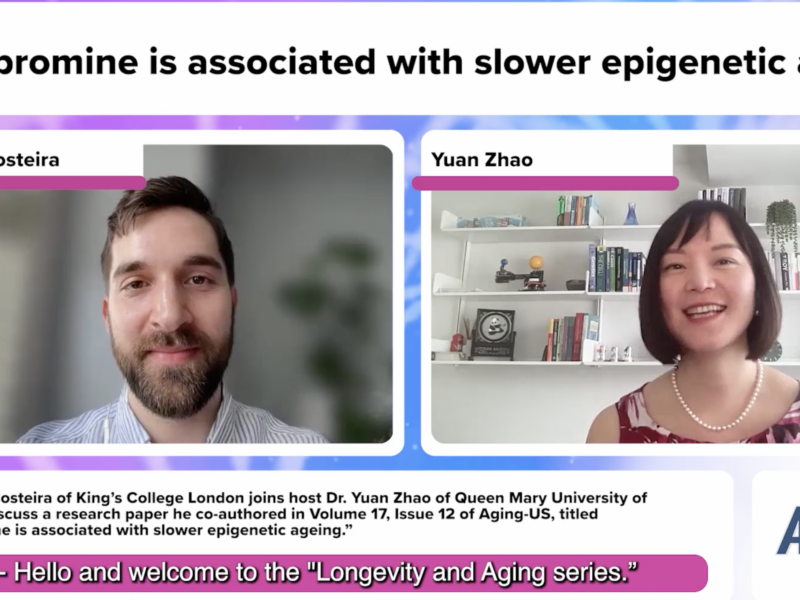
In this episode of the Longevity & Aging Series, Dr. Ricardo Costeira joins host Dr. Yuan Zhao to discuss “Theobromine is associated with slower epigenetic ageing.”
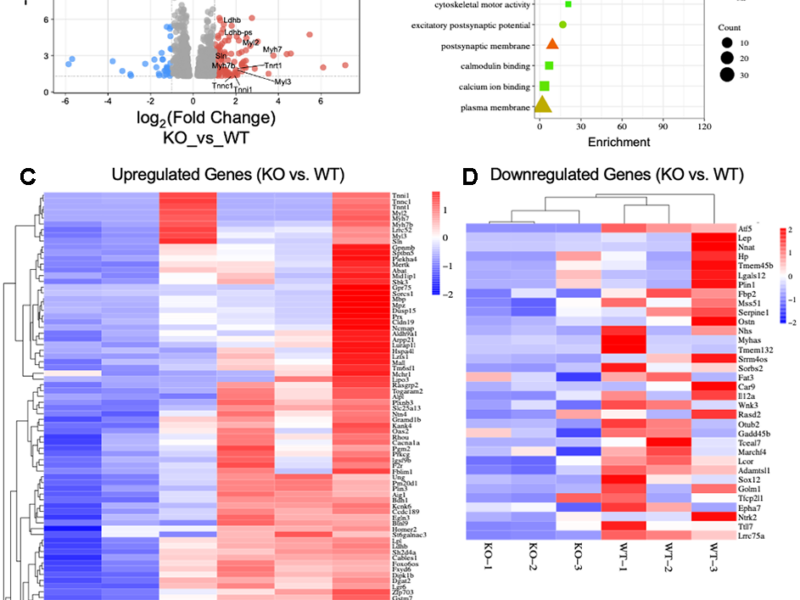
A new research paper was published in Volume 18 of Aging-US on March 27, 2026, titled “ATF5 is required for the maintenance of mitochondrial homeostasis and skeletal muscle health during aging.”
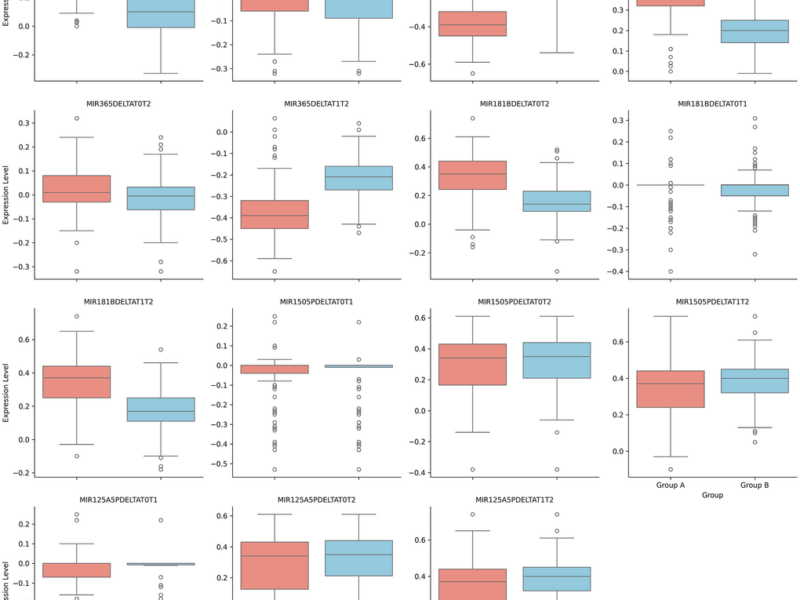
A new research paper was published in Volume 18 of Aging-US on March 26, 2026, titled “Effects of intravenous furosemide plus small-volume hypertonic saline solutions on inflammatory, remodelling markers and epigenetics signatures of patients with congestive acute decompensated heart failure (ADHF).”
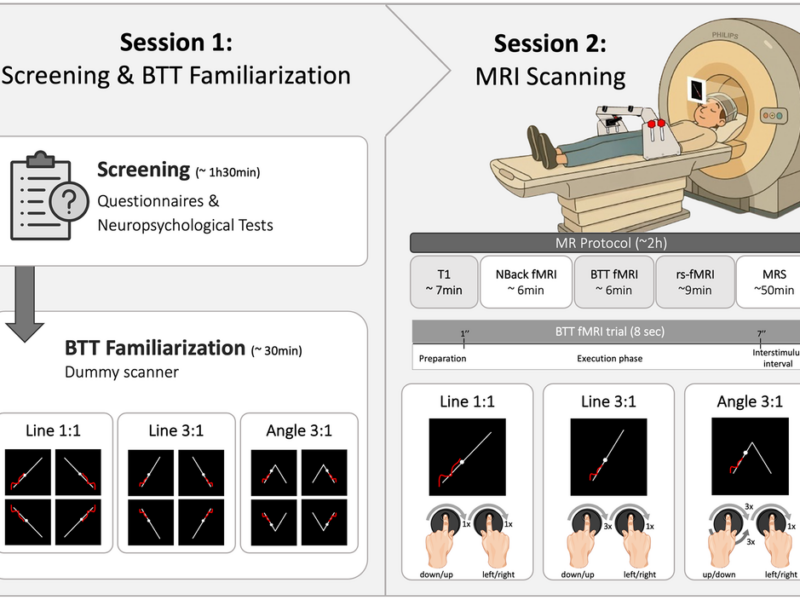
A new research paper was published in Volume 18 of Aging-US on March 24, 2026, titled “Age-specific relationship between the modulation of brain dynamics in response to task demands and bimanual performance.”
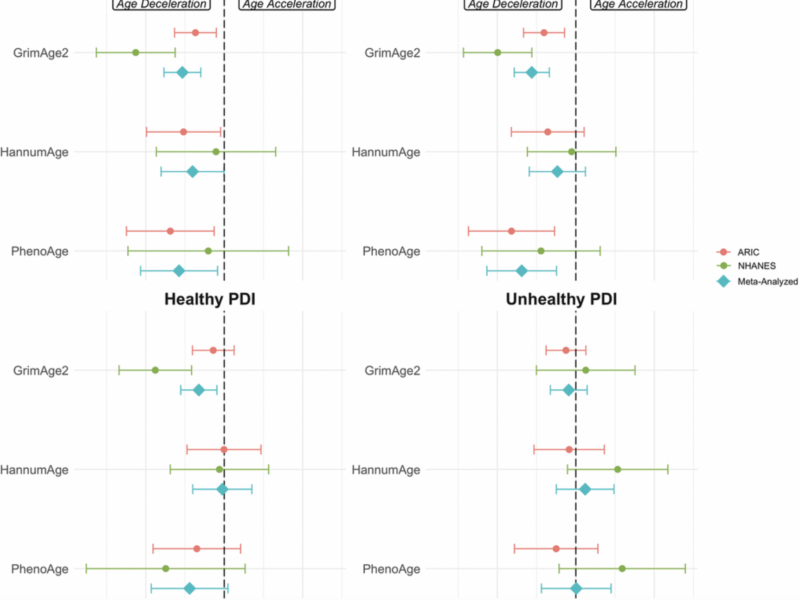
A new research paper was published in Volume 18 of Aging-US on March 20, 2026, titled “Plant-based dietary patterns are associated with slower epigenetic aging.”