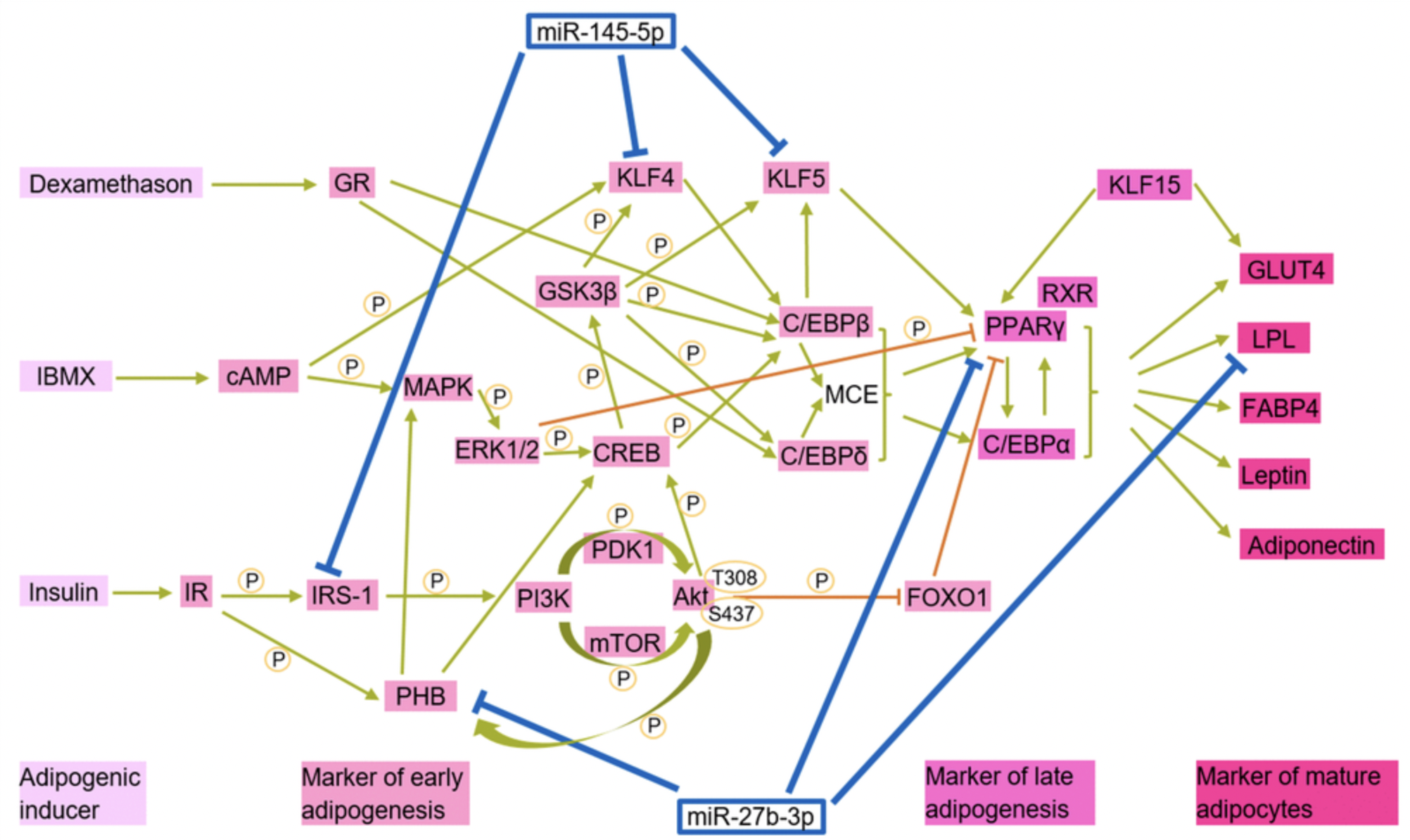
A new research paper was published in Volume 17, Issue 9 of Aging-US on August 27, 2025, titled, “Deregulated miR-145 and miR-27b in Hutchinson-Gilford progeria syndrome: implications for adipogenesis.”
Aging-US Authors
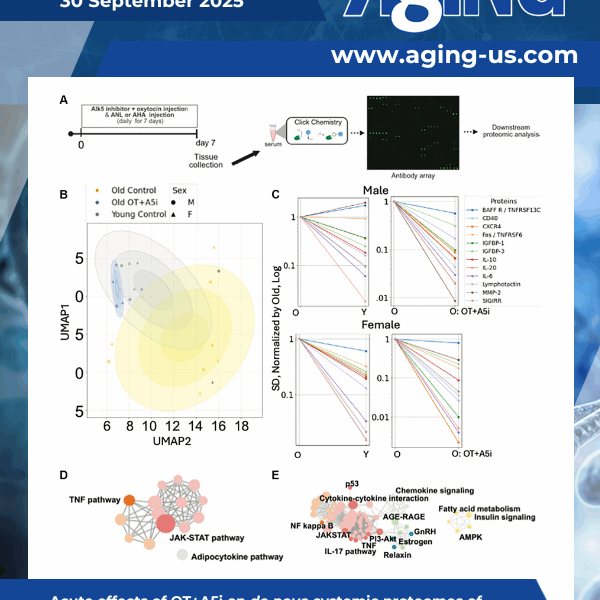
A new research paper featured as the cover of Volume 17, Issue 9 of Aging-US was published on August 21, 2025, titled “Sex-specific longitudinal reversal of aging in old frail mice.”
Here, we examined whether simultaneous calibration of pathways that change with aging in opposite directions would be more effective in increasing healthspan and lifespan. Moreover, we started with the challenging age group – frail 25-months-old mice that are equivalent to ~75-year-old people.

A new research paper was published in Volume 17, Issue 8 of Aging-US on August 7, 2025, titled, “What is the clinical evidence to support off-label rapamycin therapy in healthy adults?”

A new research paper was published in Volume 17, Issue 8 of Aging-US on August 7, 2025, titled “Senescent cell heterogeneity and responses to senolytic treatment are related to cell cycle status during senescence induction.”
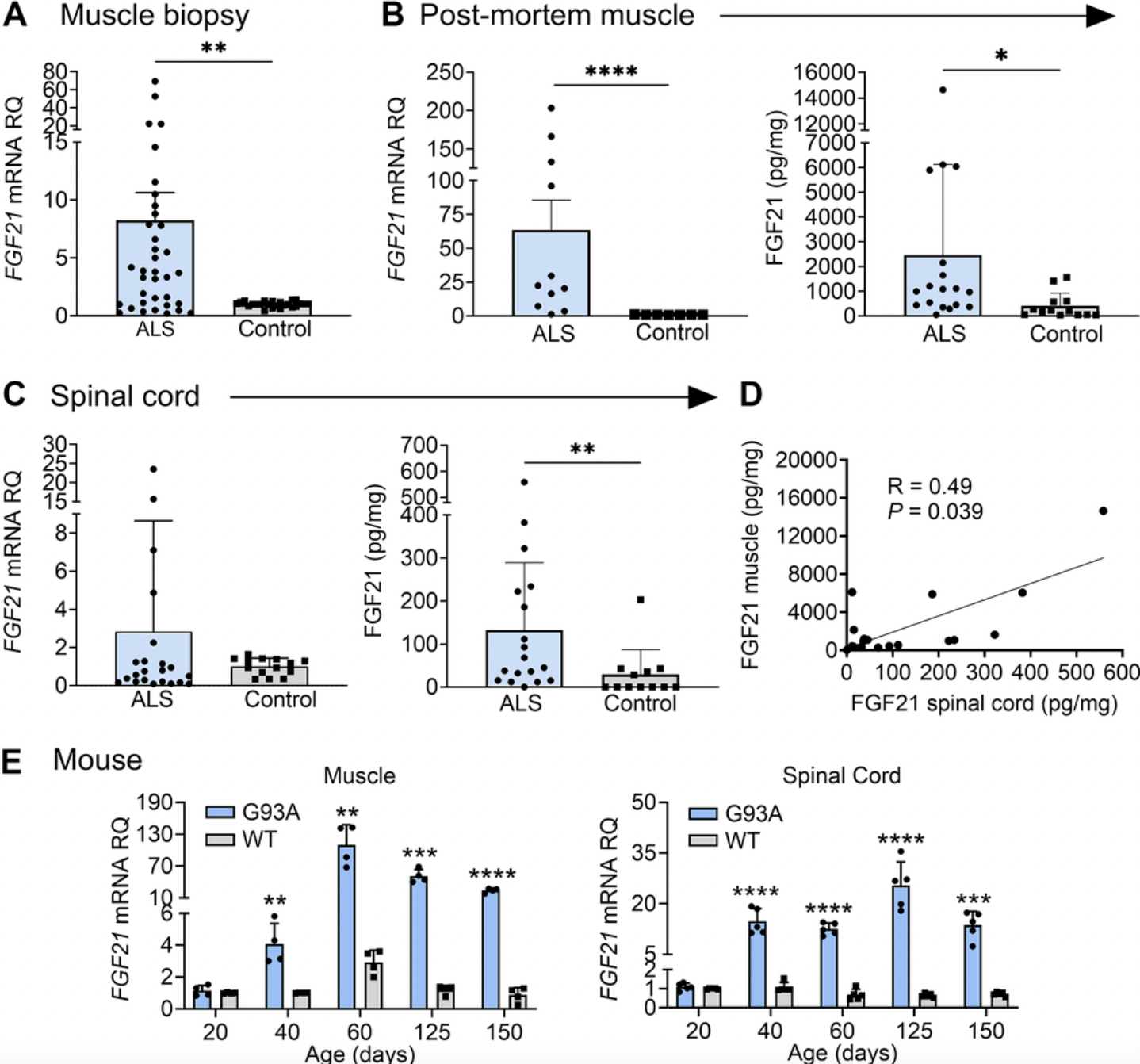
A new research paper was published in Volume 17, Issue 8 of Aging-US on August 9, 2025, titled “The myokine FGF21 associates with enhanced survival in ALS and mitigates stress-induced cytotoxicity.”

A new research paper was published in Volume 17, Issue 8 of Aging-US on August 6, 2025, titled “Age-related trends in amyloid positivity in Parkinson’s disease without dementia.”

A new research paper was published in Volume 17, Issue 8 of Aging-US on August 8, 2025, titled “AI-driven toolset for IPF and aging research associates lung fibrosis with accelerated aging.”

A new research paper was published in Volume 17, Issue 8 of Aging-US on August 1, 2025, titled “Causal relationships between gut microbiome and hundreds of age-related traits: evidence of a replicable effect on ApoM protein levels.”

A new research paper featured on the cover of Volume 17, Issue 8 of Aging (Aging-US) was published on July 30, 2025, titled “Exosomes released from senescent cells and circulatory exosomes isolated from human plasma reveal aging-associated proteomic and lipid signatures.”