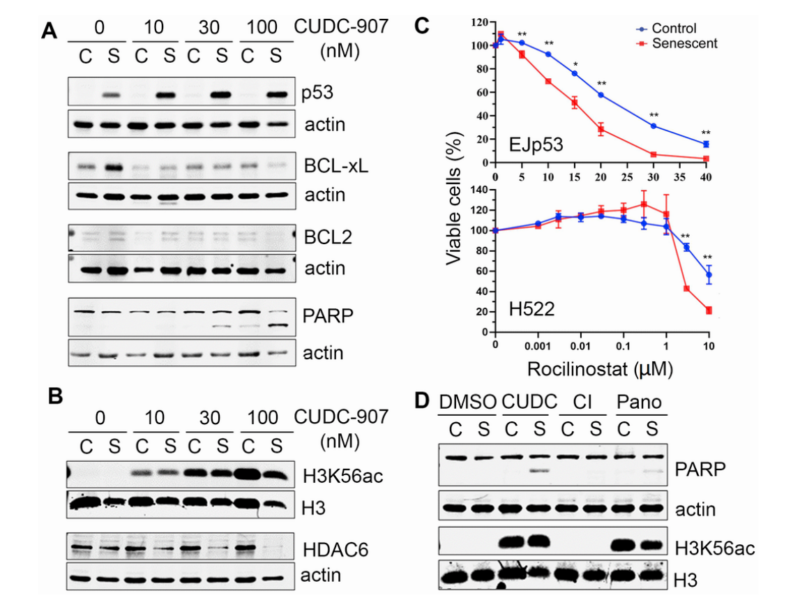
PRESS RELEASE: A new research paper was published in Aging’s Volume 15, Issue 7, entitled, “Characterization of the HDAC/PI3K inhibitor CUDC-907 as a novel senolytic.”
Aging Journal
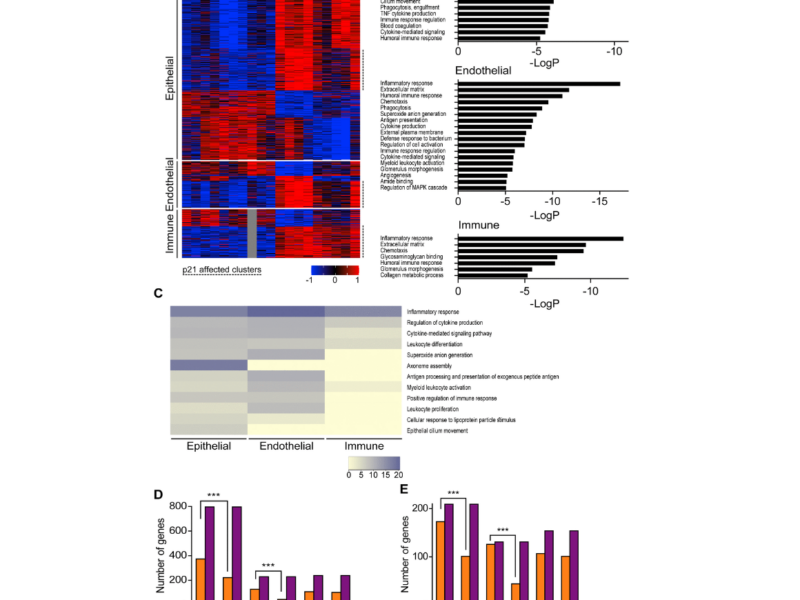
PRESS RELEASE: A new research paper was published on the cover of Aging’s Volume 15, Issue 7, entitled, “p21 facilitates chronic lung inflammation via epithelial and endothelial cells.”
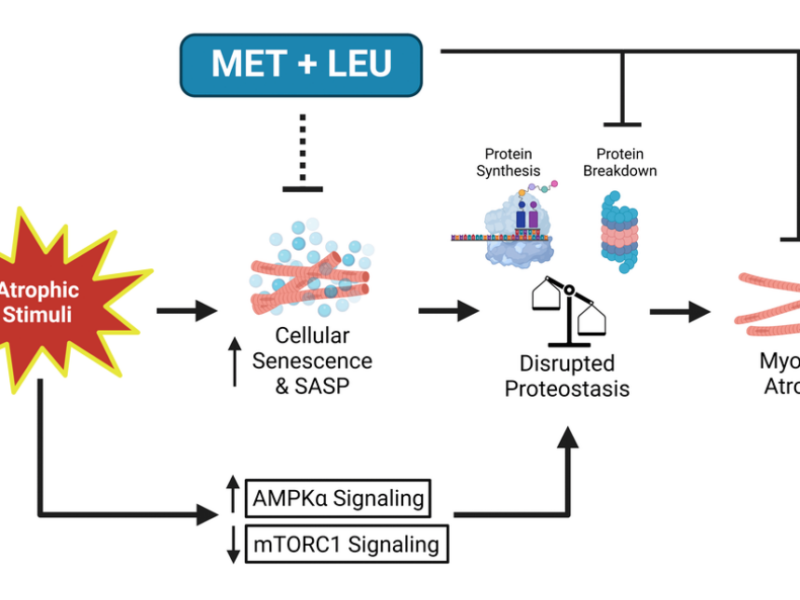
PRESS RELEASE: A new research paper was published on the cover of Aging’s Volume 15, Issue 6, entitled, “Cellular senescence and disrupted proteostasis induced by myotube atrophy are prevented with low-dose metformin and leucine cocktail.”
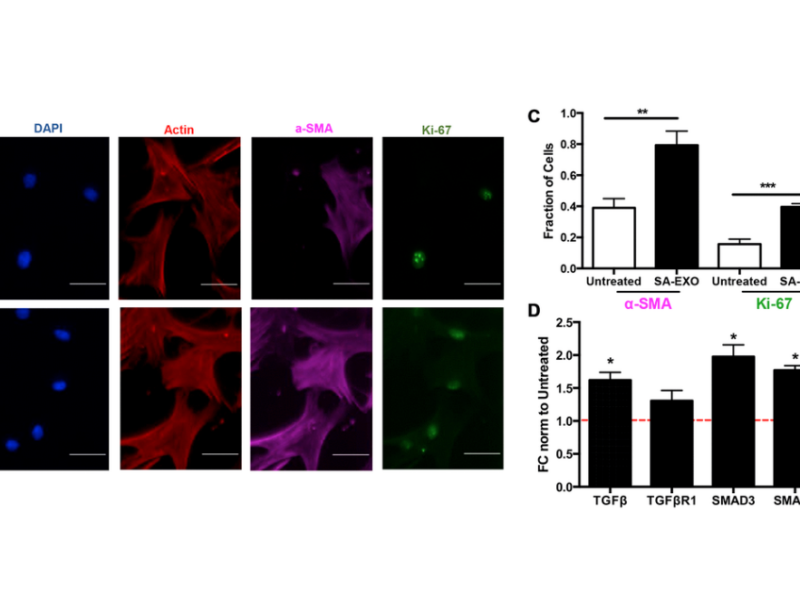
PRESS RELEASE: A new research paper was published in Aging’s Volume 15, Issue 5, entitled, “Senescence-associated exosomes transfer miRNA-induced fibrosis to neighboring cells.”
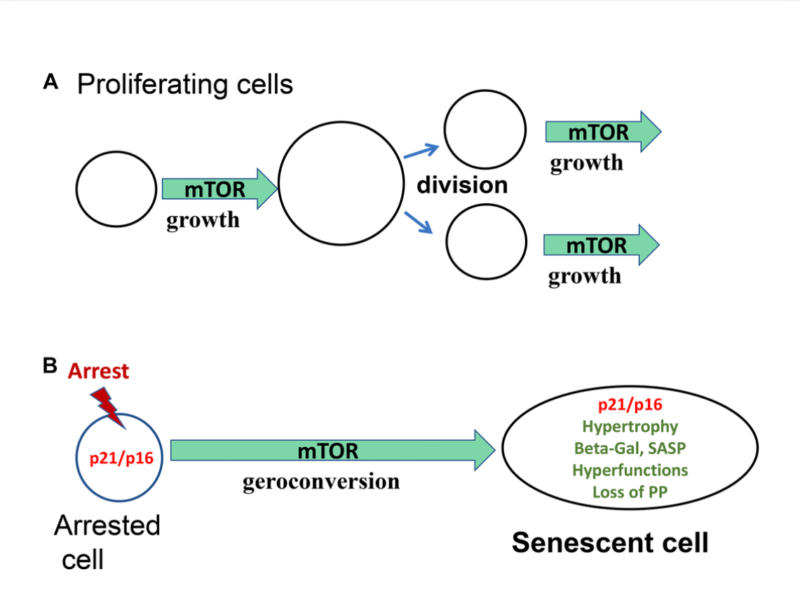
PRESS RELEASE: Aging published a new review paper in Volume 15, Issue 4, entitled, “Cellular senescence: when growth stimulation meets cell cycle arrest.”
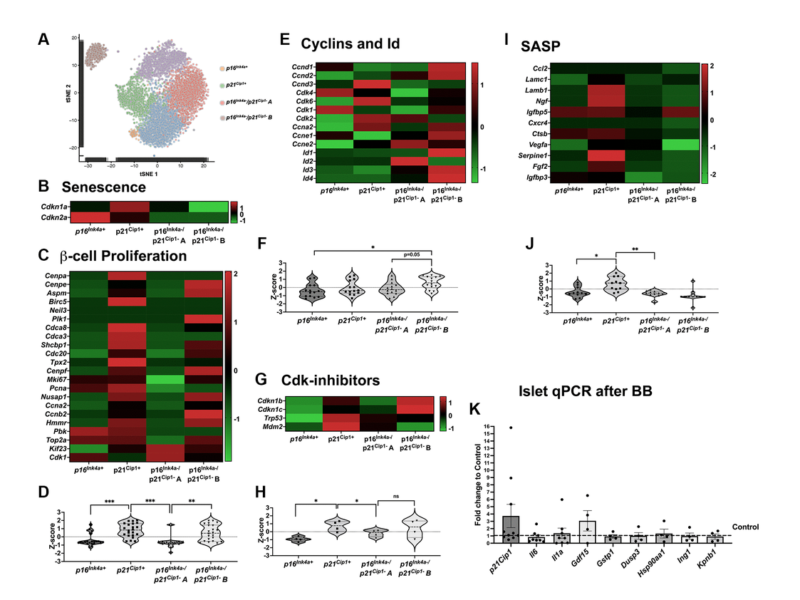
PRESS RELEASE: A new research paper was published on the cover of Aging’s Volume 15, Issue 2, entitled, “Clearance of p16Ink4a-positive cells in a mouse transgenic model does not change β-cell mass and has limited effects on their proliferative capacity.”

PRESS RELEASE: A new research paper was published on the cover of Aging’s Volume 14, Issue 23, entitled, “Single nuclei profiling identifies cell specific markers of skeletal muscle aging, frailty, and senescence.”
PRESS RELEASE: A new research paper was published on the cover of Aging’s Volume 14, Issue 22, entitled, “Glutaminase inhibitors rejuvenate human skin via clearance of senescent cells: a study using a mouse/human chimeric model.”
PRESS RELEASE: A new research perspective was published on October 24, 2022, in Aging’s Volume 14, Issue 20, entitled, “Rapamycin treatment early in life reprograms aging: hyperfunction theory and clinical practice.”
PRESS RELEASE: A new research paper was published on the cover of Aging’s Volume 14, Issue 20, entitled, “Downregulation of senescence-associated secretory phenotype by knockdown of secreted frizzled-related protein 4 contributes to the prevention of skin aging.”