
A new research paper was published in Volume 17, Issue 8 of Aging-US on August 7, 2025, titled “Senescent cell heterogeneity and responses to senolytic treatment are related to cell cycle status during senescence induction.”
Aging-US Authors

Aging (Aging-US) is proud to support a milestone event for the global senescence and aging research community.
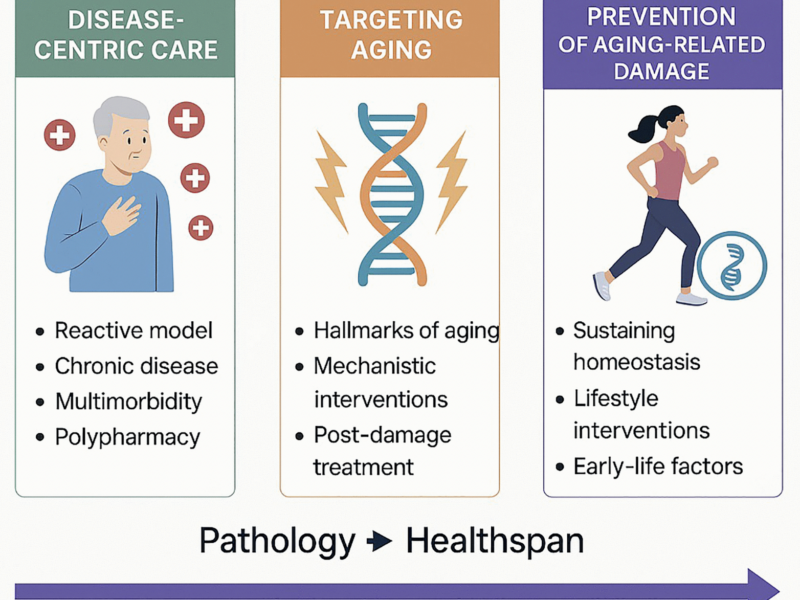
A new editorial was published in Aging (Aging-US) Volume 17, Issue 5, on May 29, 2025, titled “Rethinking healthcare through aging biology.”
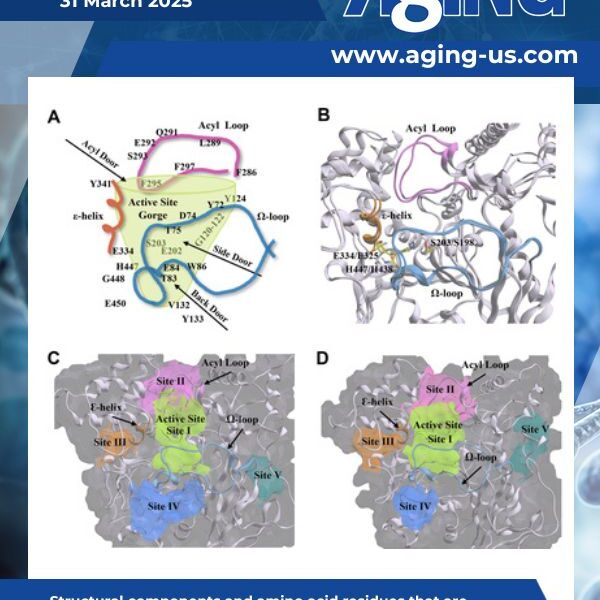
A new research paper was published in Aging (Aging-US) on March 29, 2025, as the cover of Volume 17, Issue 3, titled “Differential senolytic inhibition of normal versus Aβ-associated cholinesterases: implications in aging and Alzheimer’s disease.”
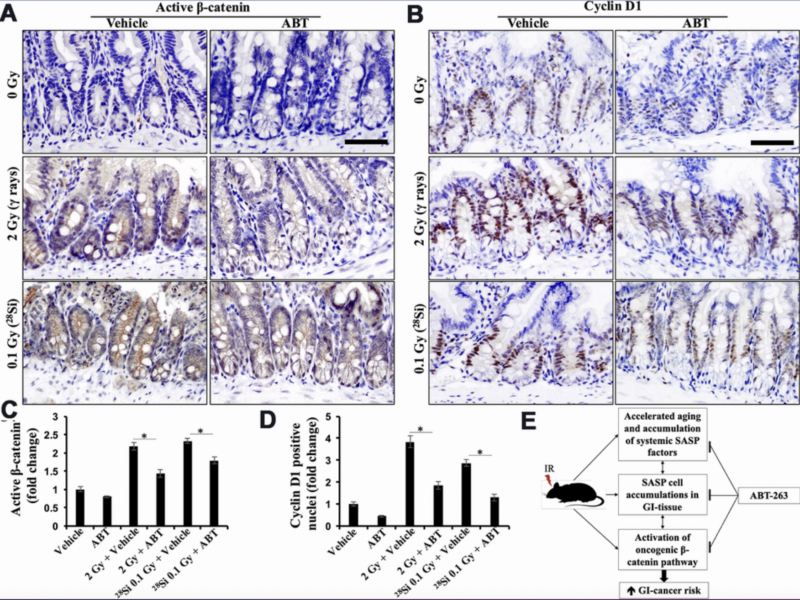
BUFFALO, NY—February 18, 2025 — A new research paper was published by Aging (Aging-US) on January 8, 2025, in Volume 17, Issue 1, titled “Senolytic agent ABT-263 mitigates low- and high-LET radiation-induced gastrointestinal cancer development in Apc1638N/+ mice.”
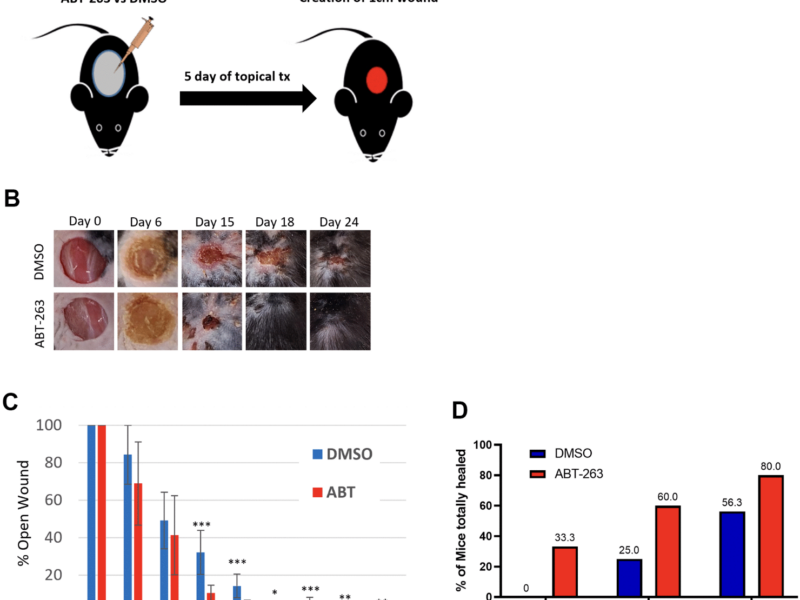
A new research paper was published by Aging (Aging-US) on December 3, 2024, in Volume 17, Issue 1, titled “Topical ABT-263 treatment reduces aged skin senescence and improves subsequent wound healing.”
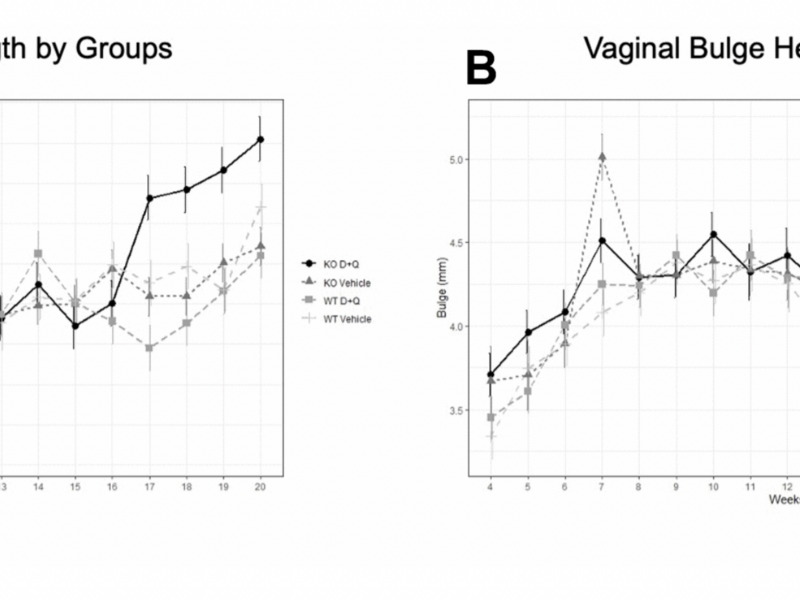
PRESS RELEASE – A new research paper was published in Aging (listed by MEDLINE/PubMed as “Aging (Albany NY)” and “Aging-US” by Web of Science), Volume 16, Issue 19 on September 26, 2024, entitled, “Use of the senolytics dasatinib and quercetin for prevention of pelvic organ prolapse in a mouse animal model.”
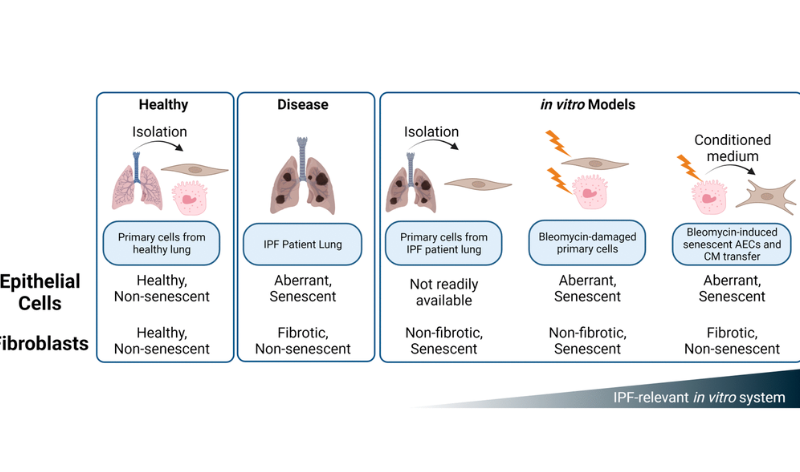
PRESS RELEASE: A new research paper was published in Aging’s Volume 16, Issue 13, entitled, “Modulating in vitro lung fibroblast activation via senolysis of senescent human alveolar epithelial cells.”
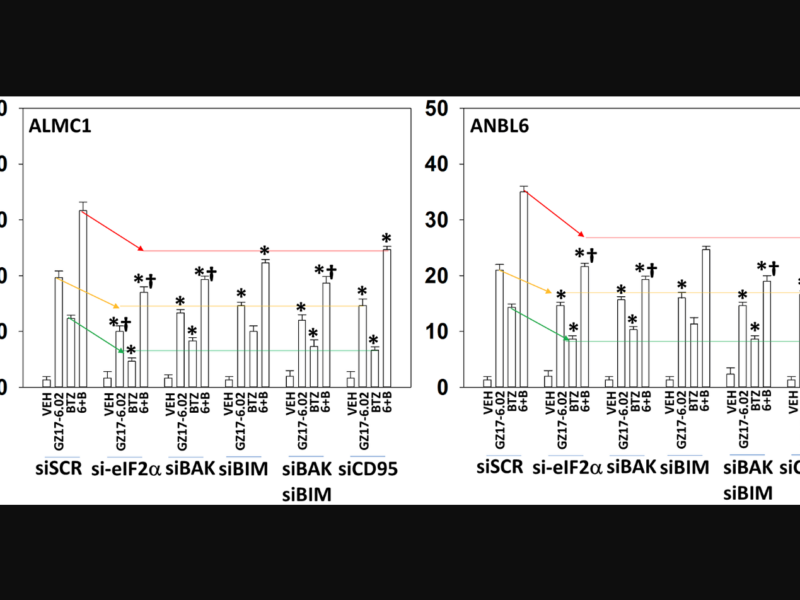
PRESS RELEASE: A new research paper was published in Aging’s Volume 16, Issue 4, entitled, “Exploring the effects of Dasatinib, Quercetin, and Fisetin on DNA methylation clocks: a longitudinal study on senolytic interventions.”
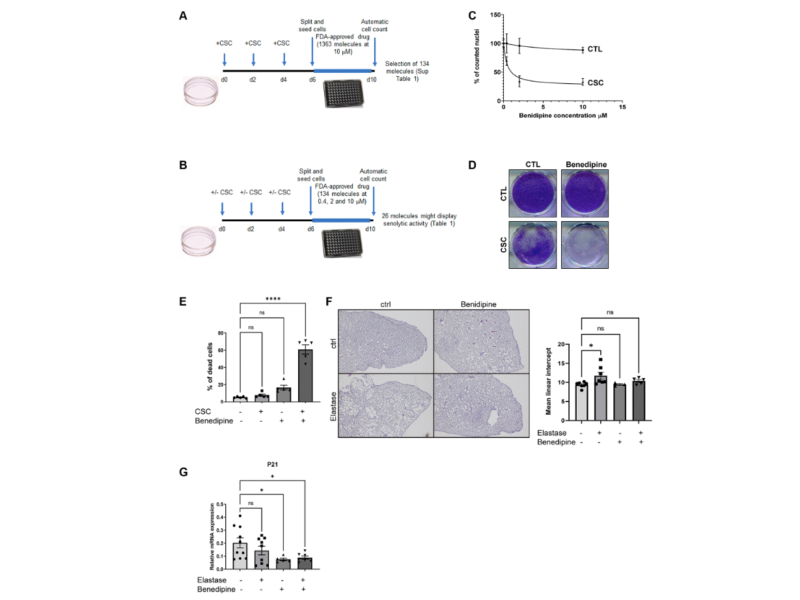
PRESS RELEASE: A new research paper was published in Aging’s Volume 15, Issue 23, entitled, “Benidipine calcium channel blocker promotes the death of cigarette smoke-induced senescent cells and improves lung emphysema.”