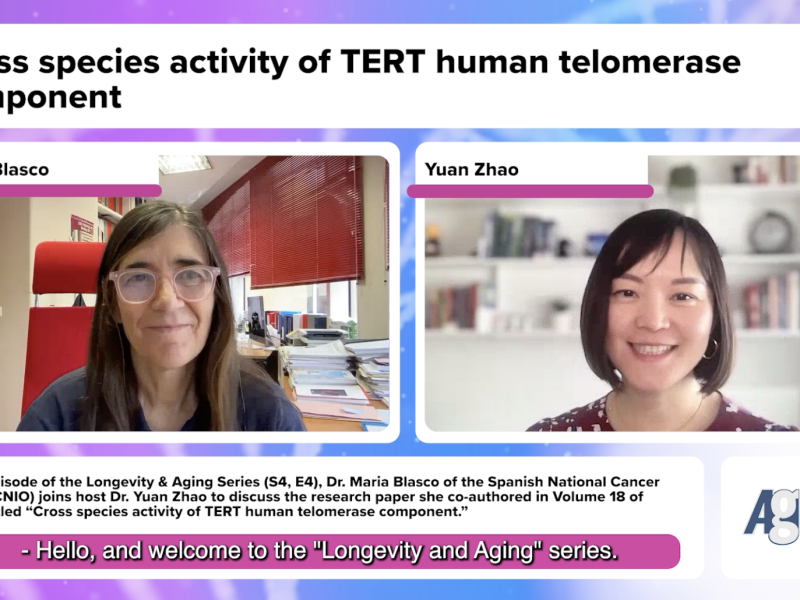
Dr. Maria Blasco of the Spanish National Cancer Centre (CNIO) joins host Dr. Yuan Zhao to discuss the research paper she co-authored in Volume 18 of Aging, titled “Cross species activity of TERT human telomerase component.”
Aging Journal
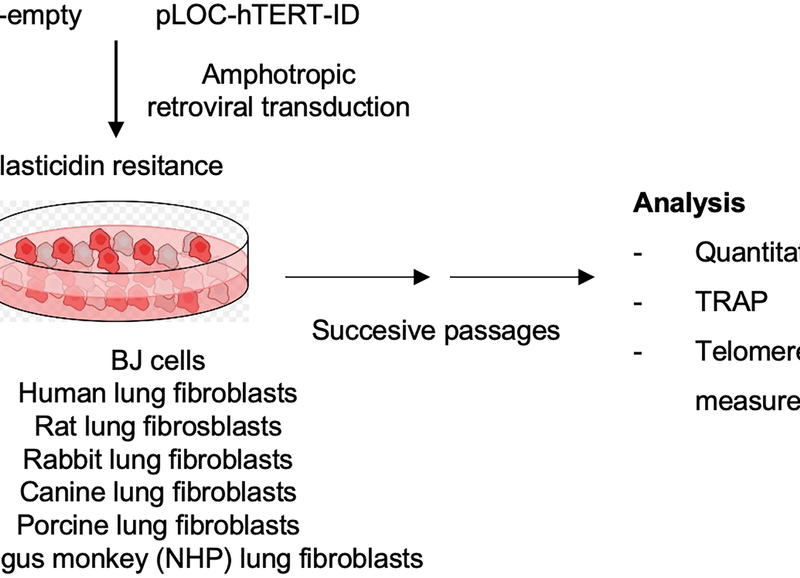
A new research paper was published in Volume 18 of Aging-US on April 13, 2026, titled “Cross species activity of TERT human telomerase component.”
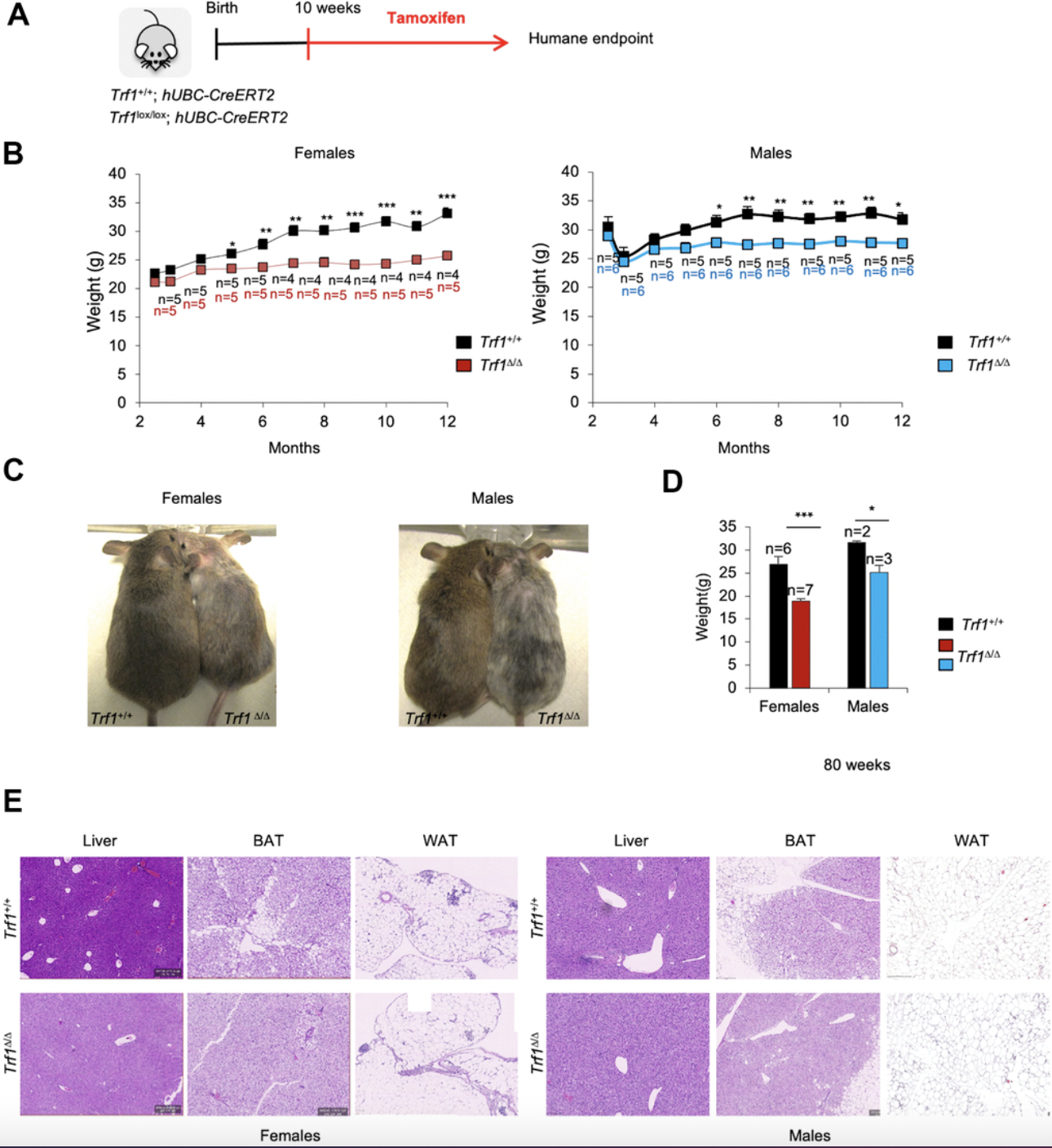
A new research paper was published in Volume 17, Issue 9 of Aging-US on September 17, 2025, titled “Depletion of the TRF1 telomere-binding protein leads to leaner mice with altered metabolic profiles.”
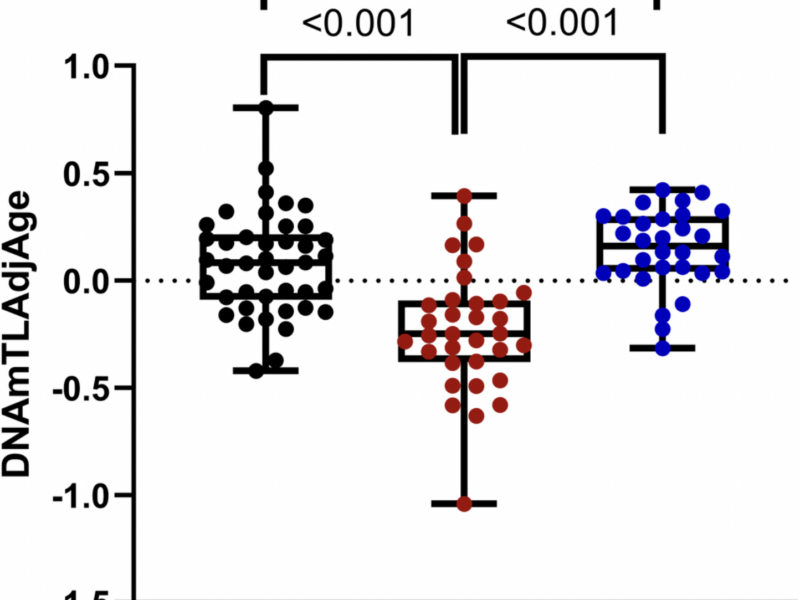
A new research paper was published in Aging (Aging-US) Volume 17, Issue 5, on May 28, 2025, titled “Investigating telomere length in progeroid syndromes: implications for aging disorders.”
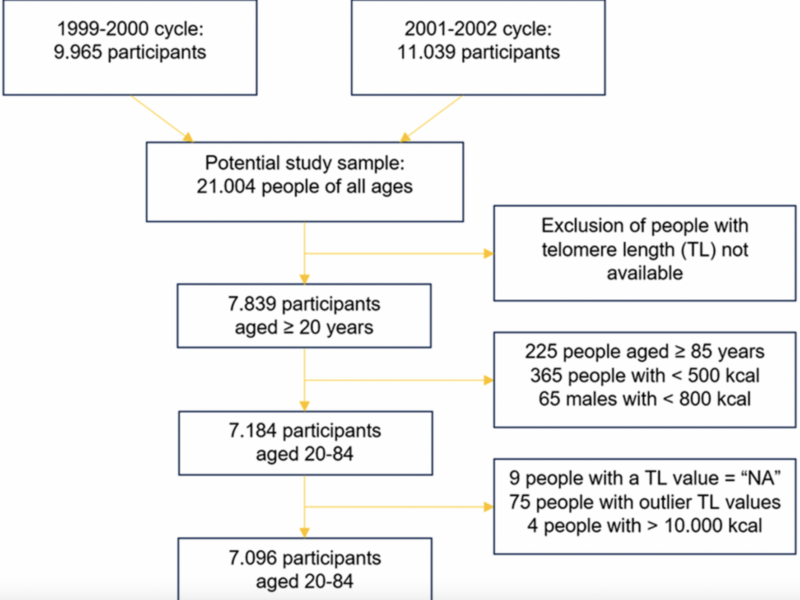
A new research paper was published in Aging (Aging-US) on January 29, 2025, in Volume 17, Issue 2, titled “Diet, lifestyle and telomere length: using Copula Graphical Models on NHANES data.”
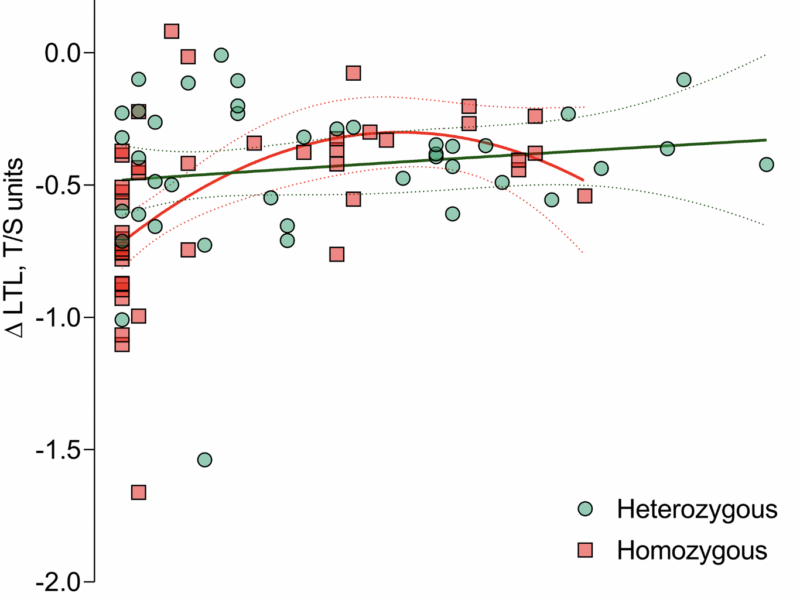
PRESS RELEASE – A new research paper was published in Aging (listed by MEDLINE/PubMed as “Aging (Albany NY)” and “Aging-US” by Web of Science), Volume 16, Issue 16 on August 29, 2024, entitled, “Leukocyte telomere length and attrition in association with disease severity in cystic fibrosis patients.”
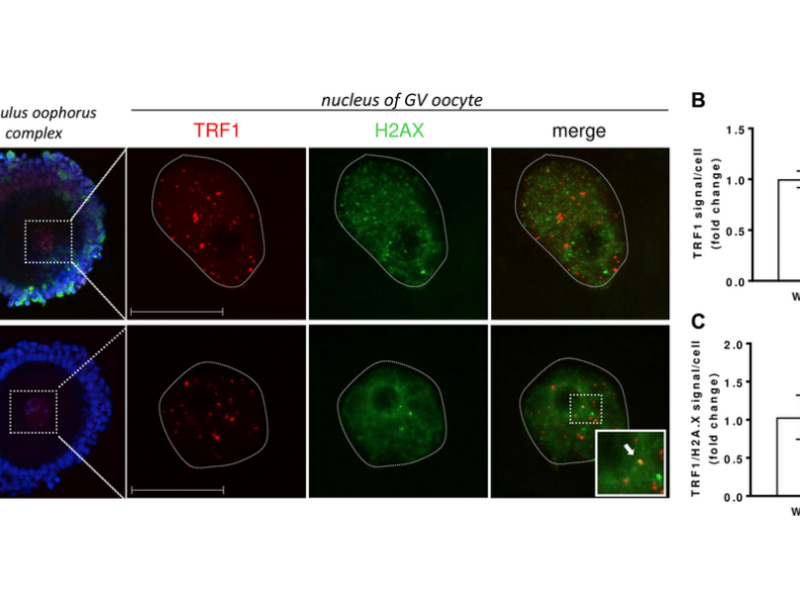
PRESS RELEASE: A new research paper was published in Aging’s Volume 16, Issue 3, entitled, “Disruption of mitochondrial unfolded protein response results in telomere shortening in mouse oocytes and somatic cells.”
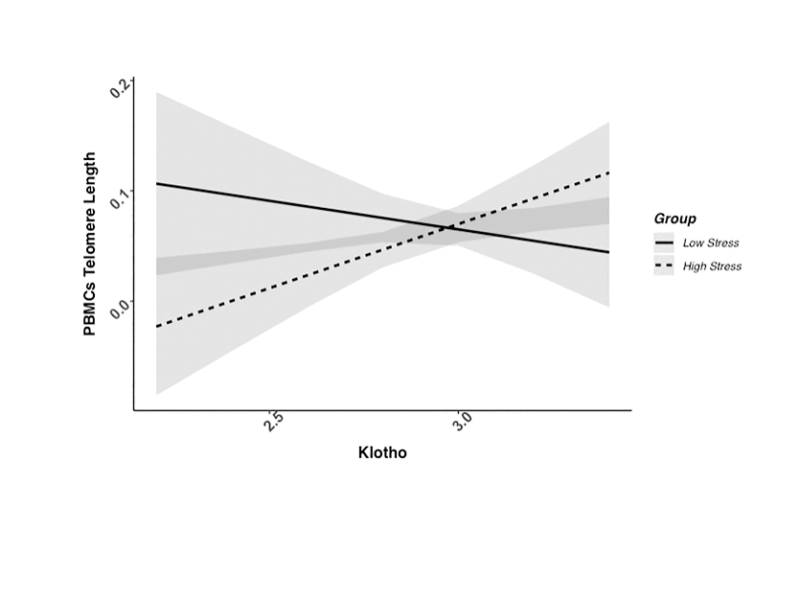
PRESS RELEASE: A new research paper was published by Aging in Volume 15, Issue 15, entitled, “Associations between klotho and telomere biology in high stress caregivers.”
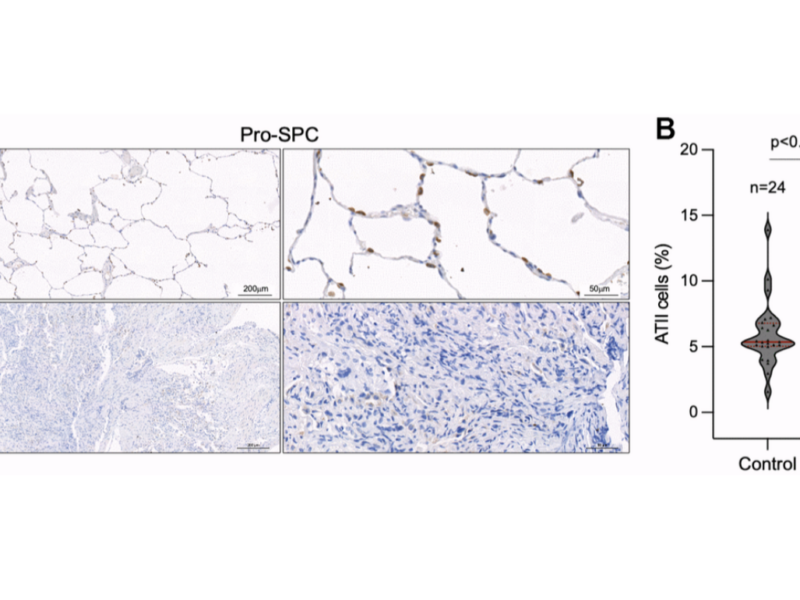
PRESS RELEASE: A new research paper was published on the cover of Aging’s Volume 15, Issue 11, entitled, “Short telomeres in alveolar type II cells associate with lung fibrosis in post COVID-19 patients with cancer.”
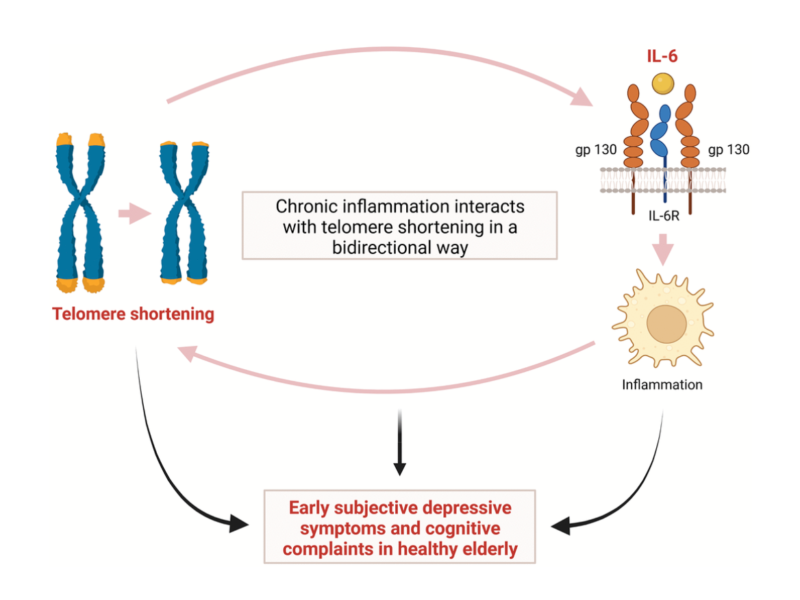
PRESS RELEASE: A new research paper was published on the cover of Aging’s Volume 15, Issue 4, entitled, “Relationship between telomere shortening and early subjective depressive symptoms and cognitive complaints in older adults.”