A new research paper was published in Volume 17, Issue 10 of Aging-US on September 10, 2025, titled “Longitudinal associations of epigenetic aging with cognitive aging in Hispanic/Latino adults from the Hispanic Community Health Study/Study of Latinos.”
Aging Journal
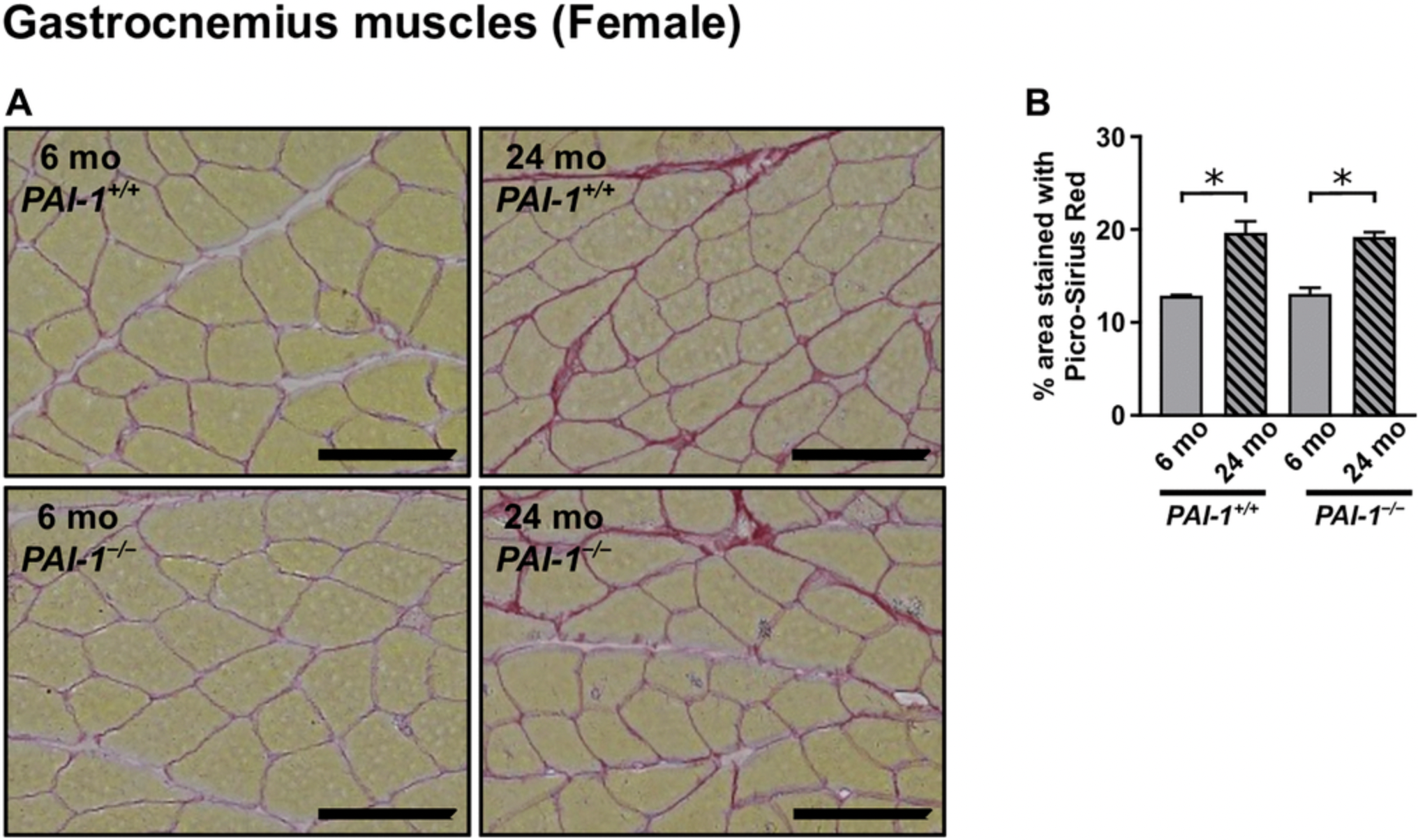
A new research paper was published in Volume 17, Issue 9 of Aging-US on September 11, 2025, titled “ Roles of plasminogen activator inhibitor-1 in aging-related muscle and bone loss in mice.”
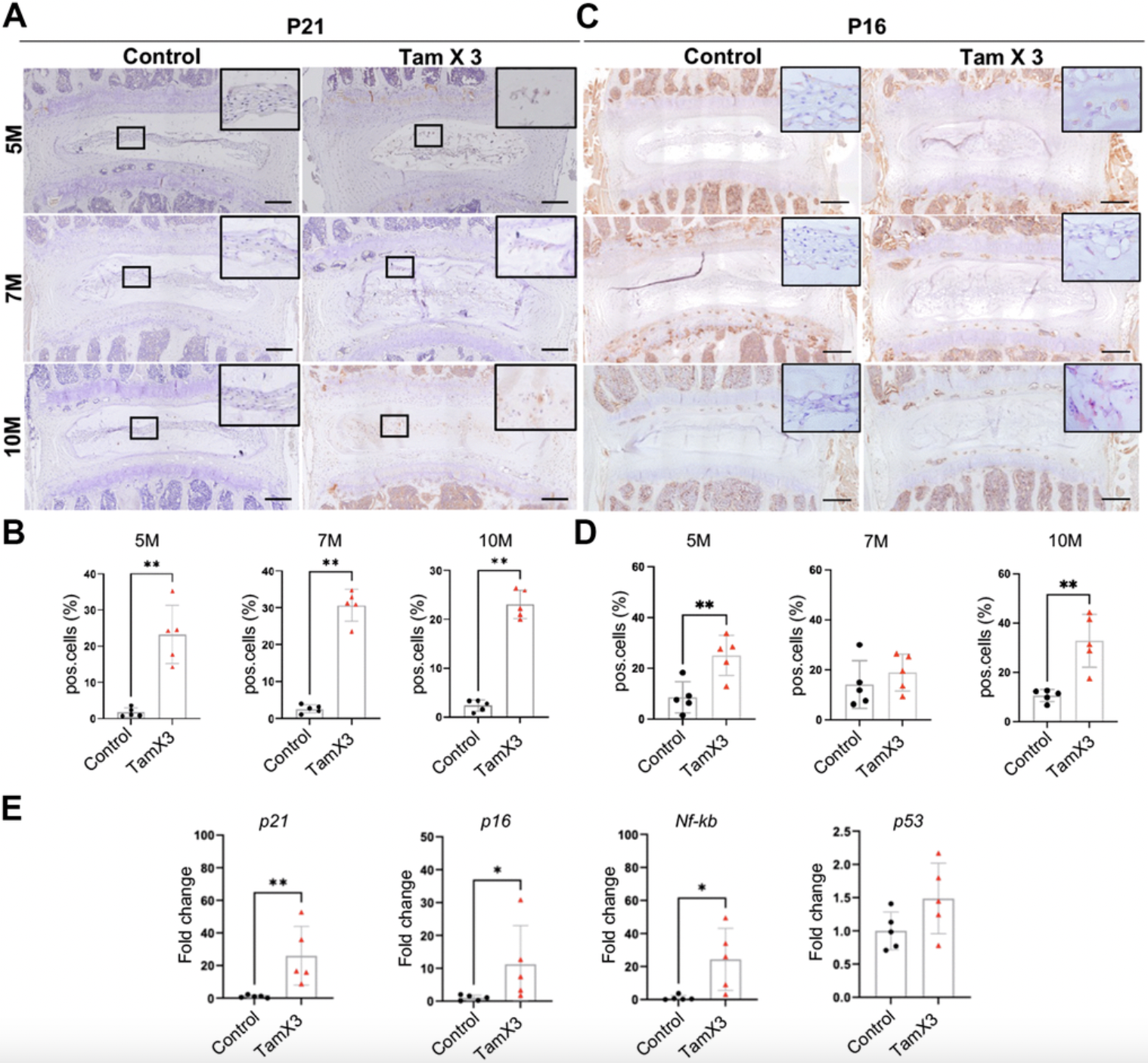
A new research paper was published in Volume 17, Issue 9 of Aging-US on September 8, 2025, titled, “Runx1 overexpression induces early onset of intervertebral disc degeneration.”
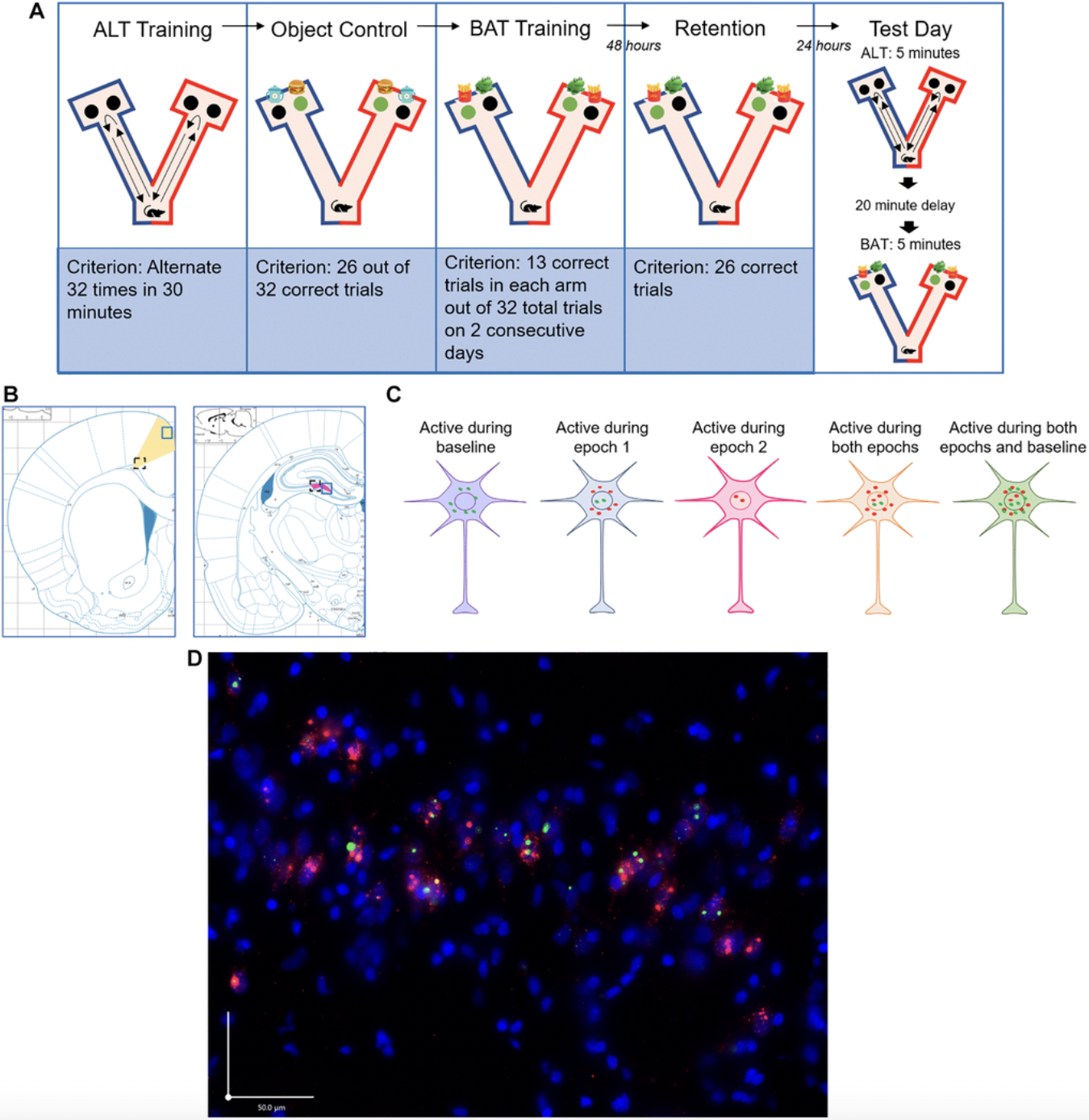
A new research paper was published in Volume 17, Issue 9 of Aging-US on August 22, 2025, titled, “The impact of long-term social housing on biconditional association task performance and neuron ensembles in the anterior cingulate cortex and the hippocampal CA3 region of aged rats.”
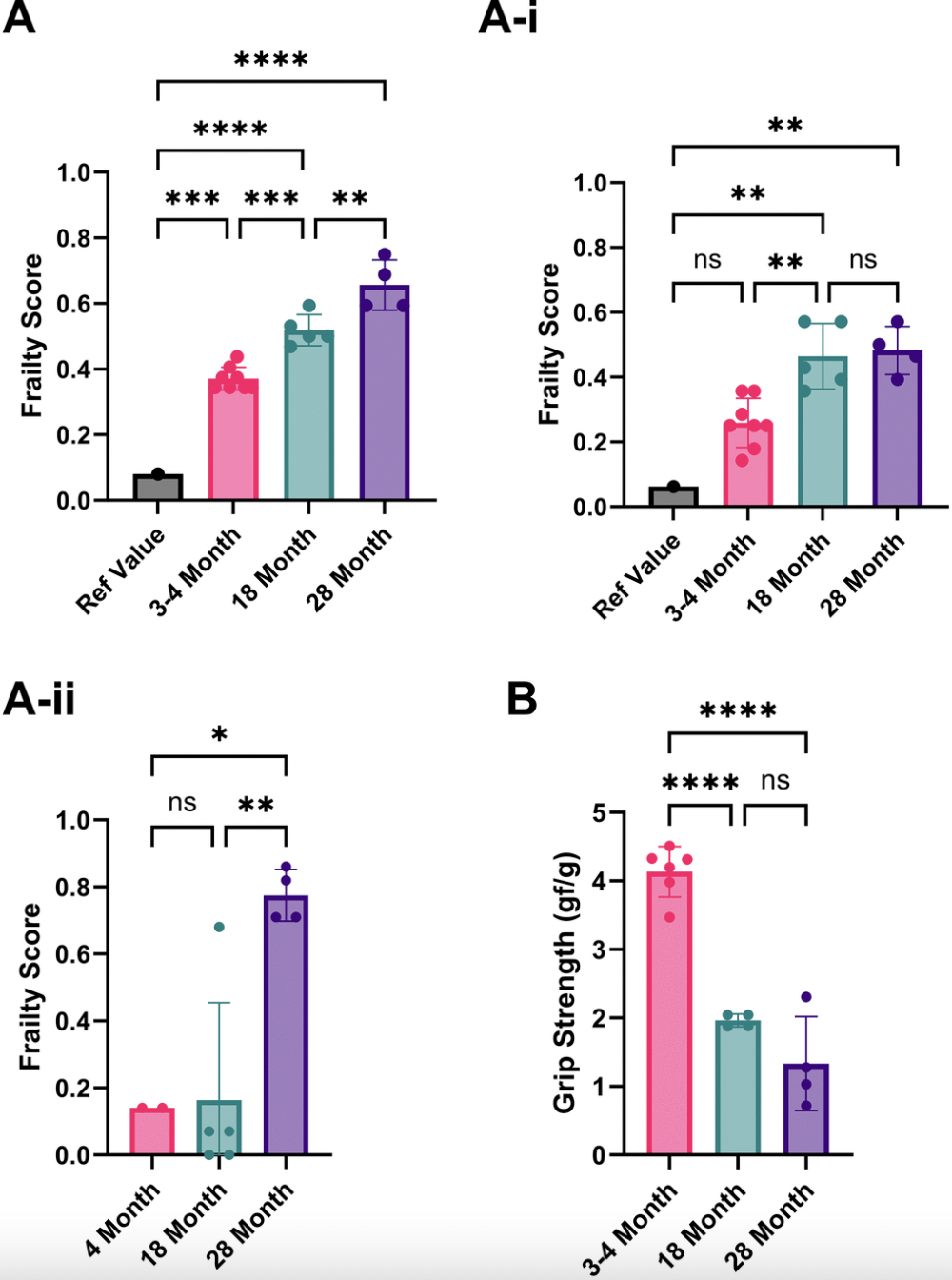
A new research perspective was published in Volume 17, Issue 9 of Aging-US on August 26, 2025, titled “Analysis of the current state of frailty indexes and their implementation for aging intervention studies.”

A new research paper was published in Volume 17, Issue 8 of Aging-US on August 7, 2025, titled, “What is the clinical evidence to support off-label rapamycin therapy in healthy adults?”
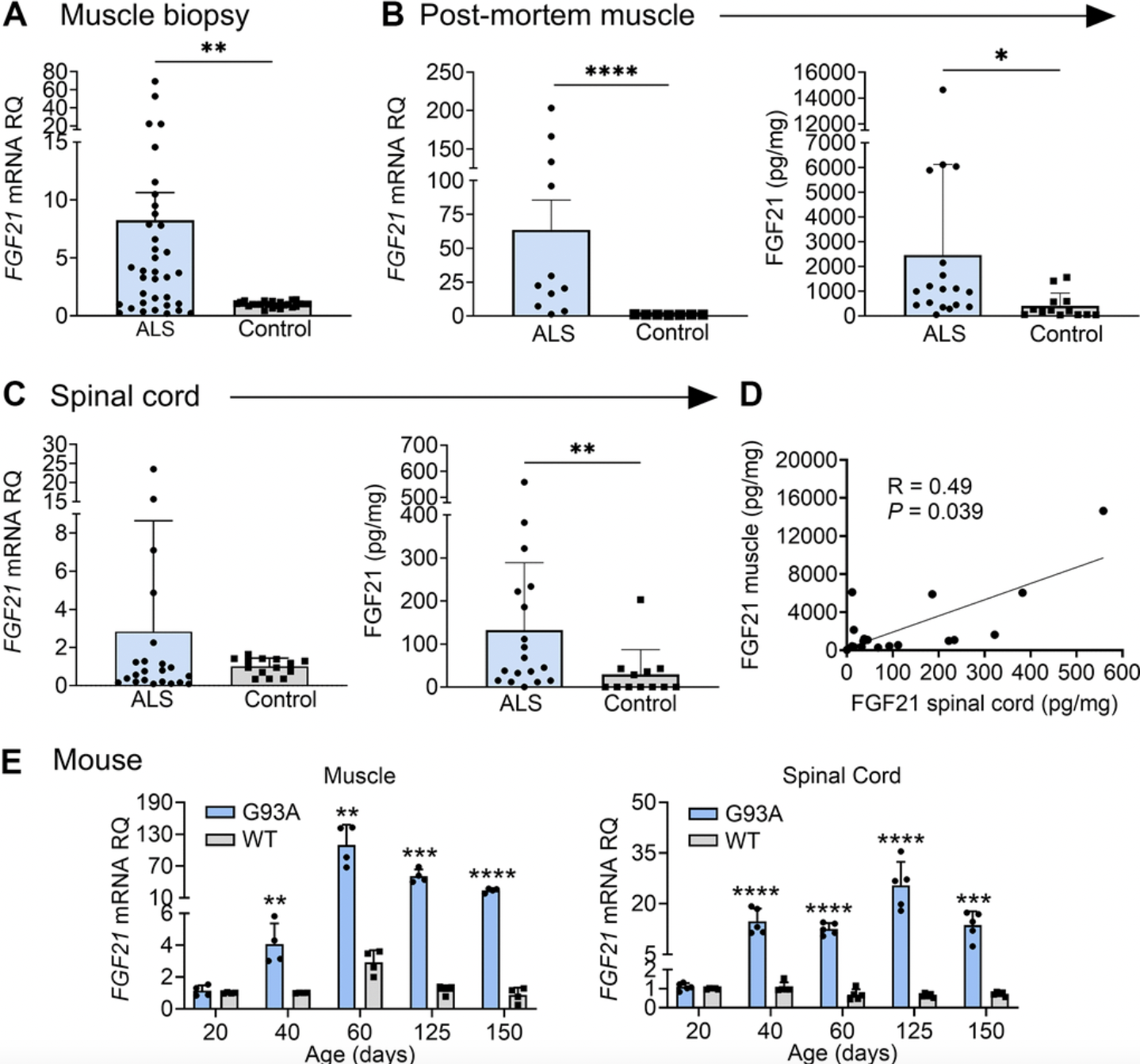
A new research paper was published in Volume 17, Issue 8 of Aging-US on August 9, 2025, titled “The myokine FGF21 associates with enhanced survival in ALS and mitigates stress-induced cytotoxicity.”
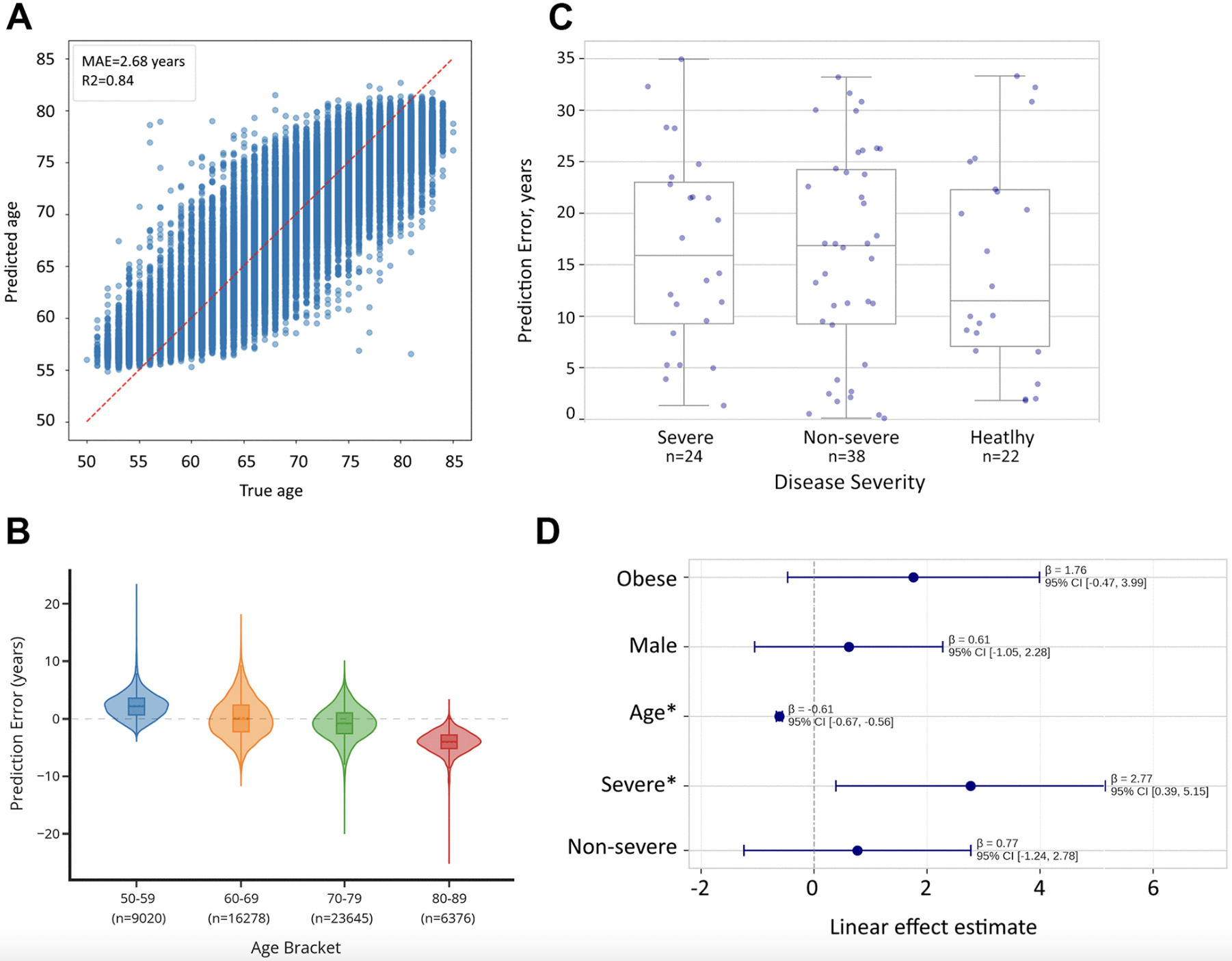
A new research paper was published in Volume 17, Issue 8 of Aging-US on August 8, 2025, titled “AI-driven toolset for IPF and aging research associates lung fibrosis with accelerated aging.”
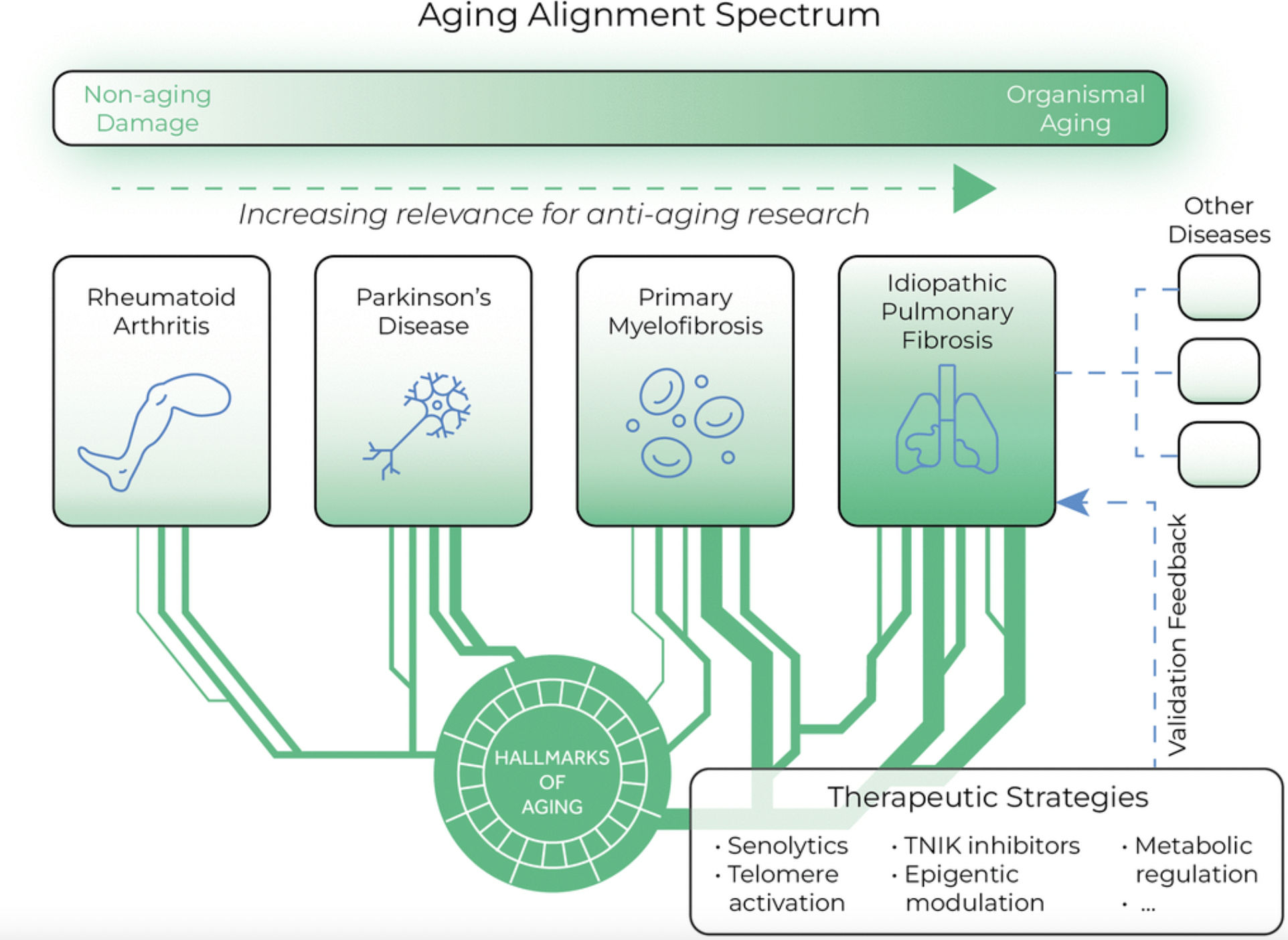
A new research perspective was published in Volume 17, Issue 8 of Aging (Aging-US) on August 16, 2025, titled “Age-related diseases as a testbed for anti-aging therapeutics: the case of idiopathic pulmonary fibrosis.”
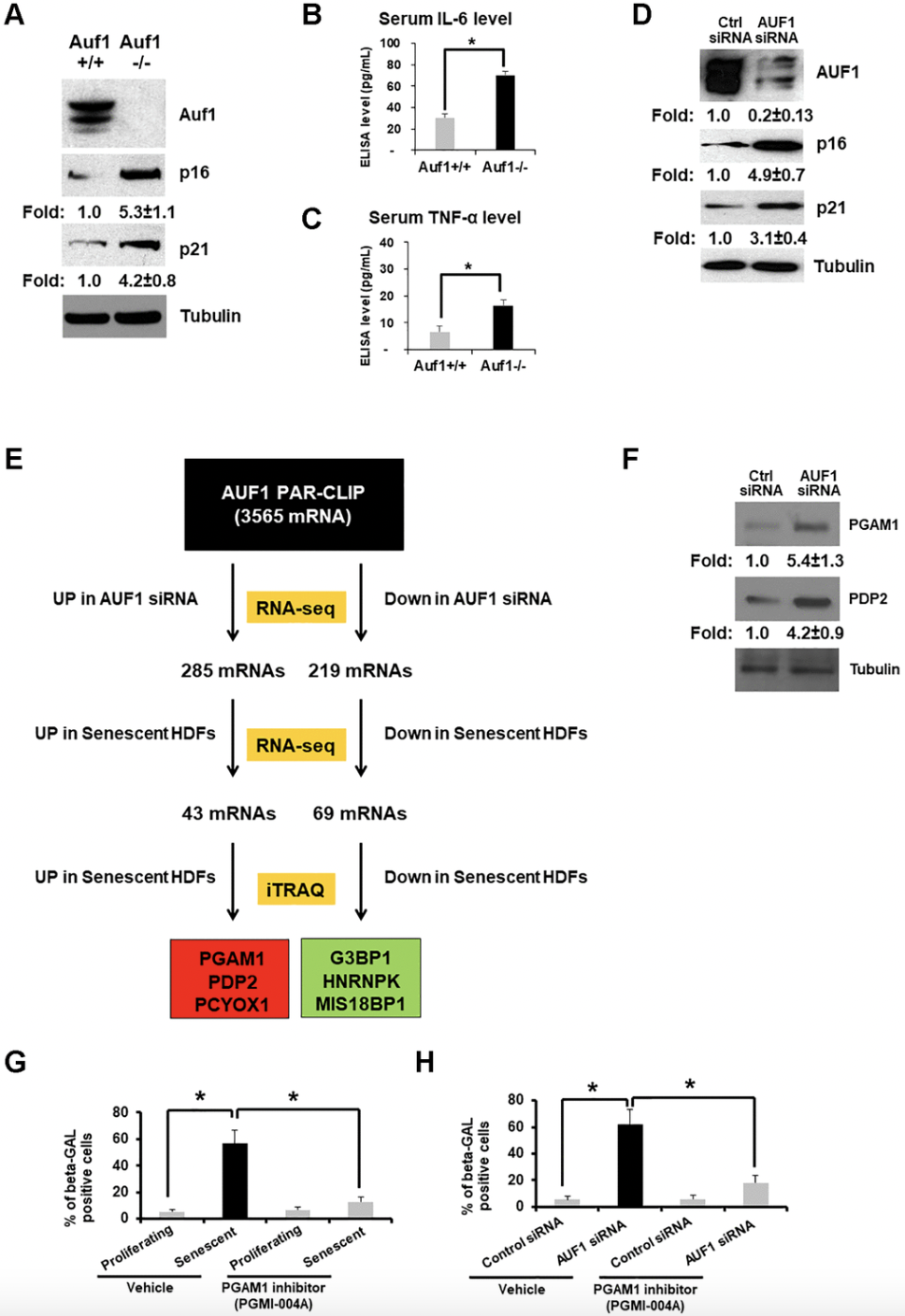
A new research paper was published in Volume 17, Issue 7 of Aging (Aging-US) on July 24, 2025, titled “RNA-binding protein AUF1 suppresses cellular senescence and glycolysis by targeting PDP2 and PGAM1 mRNAs.”