Federica Grosso describes a research paper she co-authored that was published in Volume 17, Issue 8, entitled “Causal relationships between gut microbiome and hundreds of age-related traits: evidence of a replicable effect on ApoM protein levels.”
Aging Journal
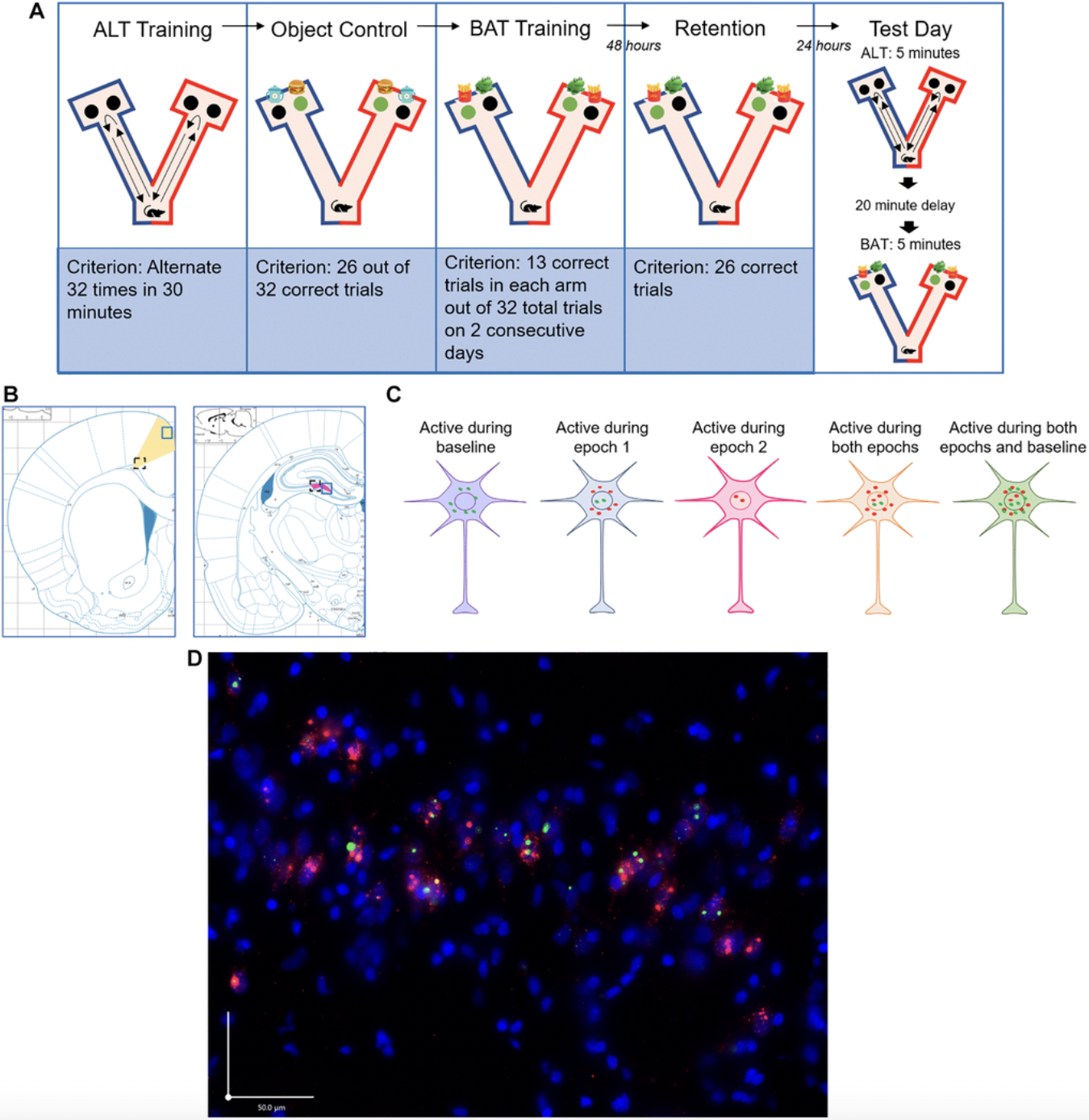
A new research paper was published in Volume 17, Issue 9 of Aging-US on August 22, 2025, titled, “The impact of long-term social housing on biconditional association task performance and neuron ensembles in the anterior cingulate cortex and the hippocampal CA3 region of aged rats.”
Dr. Leonard Egede, Dr. Rebekah Walker, and Dr. Obinna Ekwunife from the University of Buffalo, NY, describe their research paper published in Volume 17, Issue 8, titled “Longitudinal relationship between social and CVD risk factors in older adults with prediabetes: the HRS 2006-2016.”
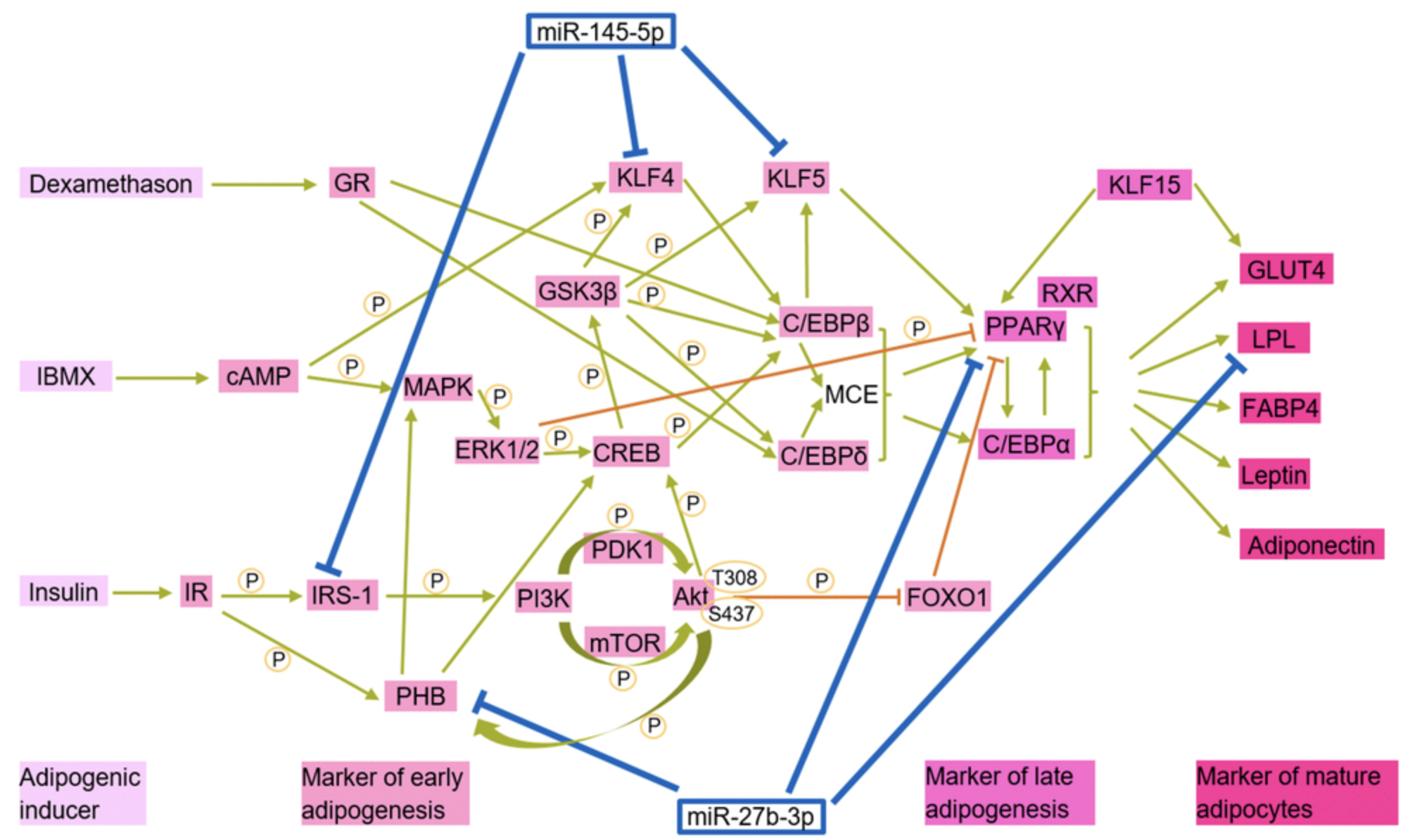
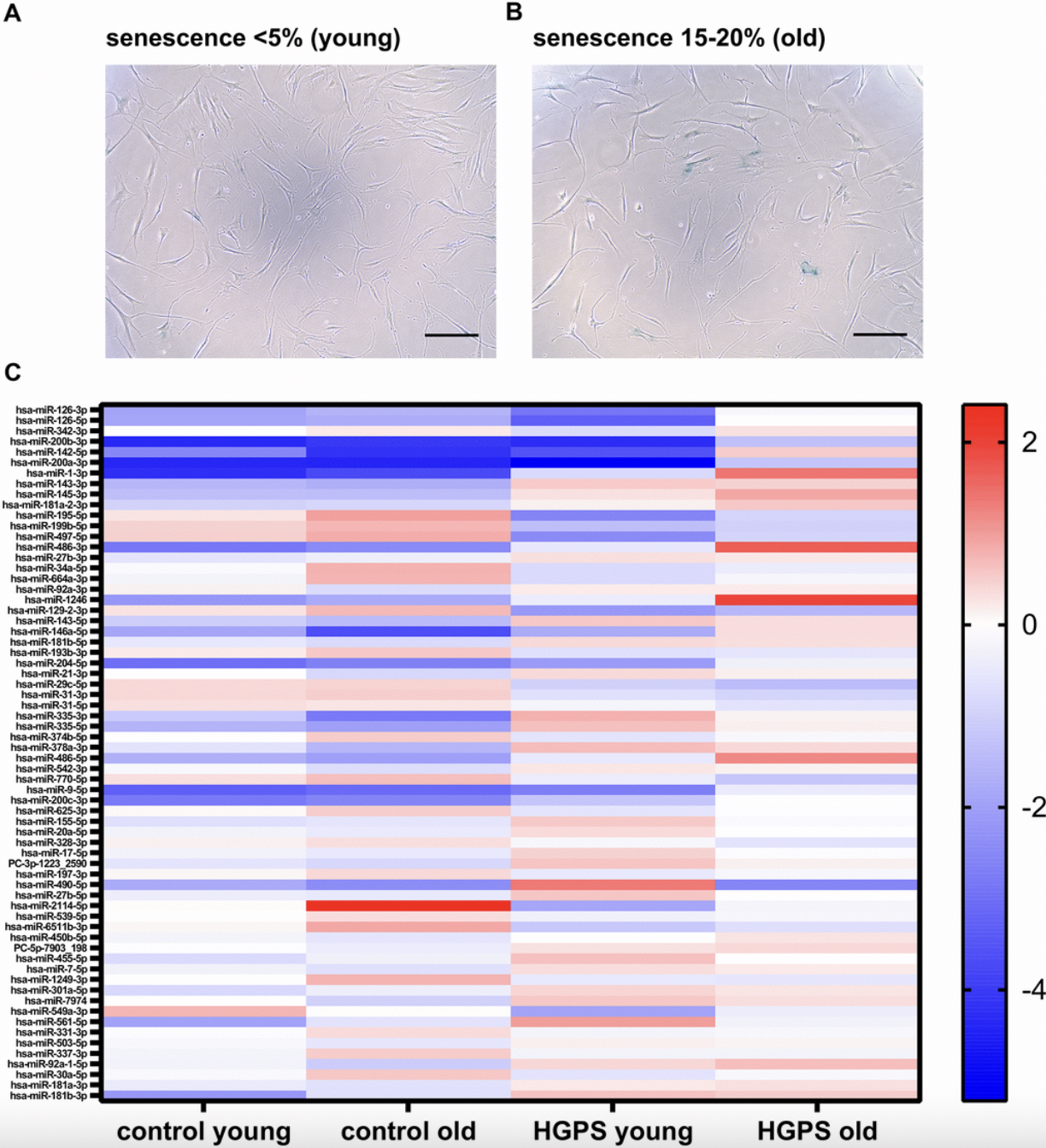
A new research paper was published in Volume 17, Issue 9 of Aging-US on August 27, 2025, titled, “Deregulated miR-145 and miR-27b in Hutchinson-Gilford progeria syndrome: implications for adipogenesis.”
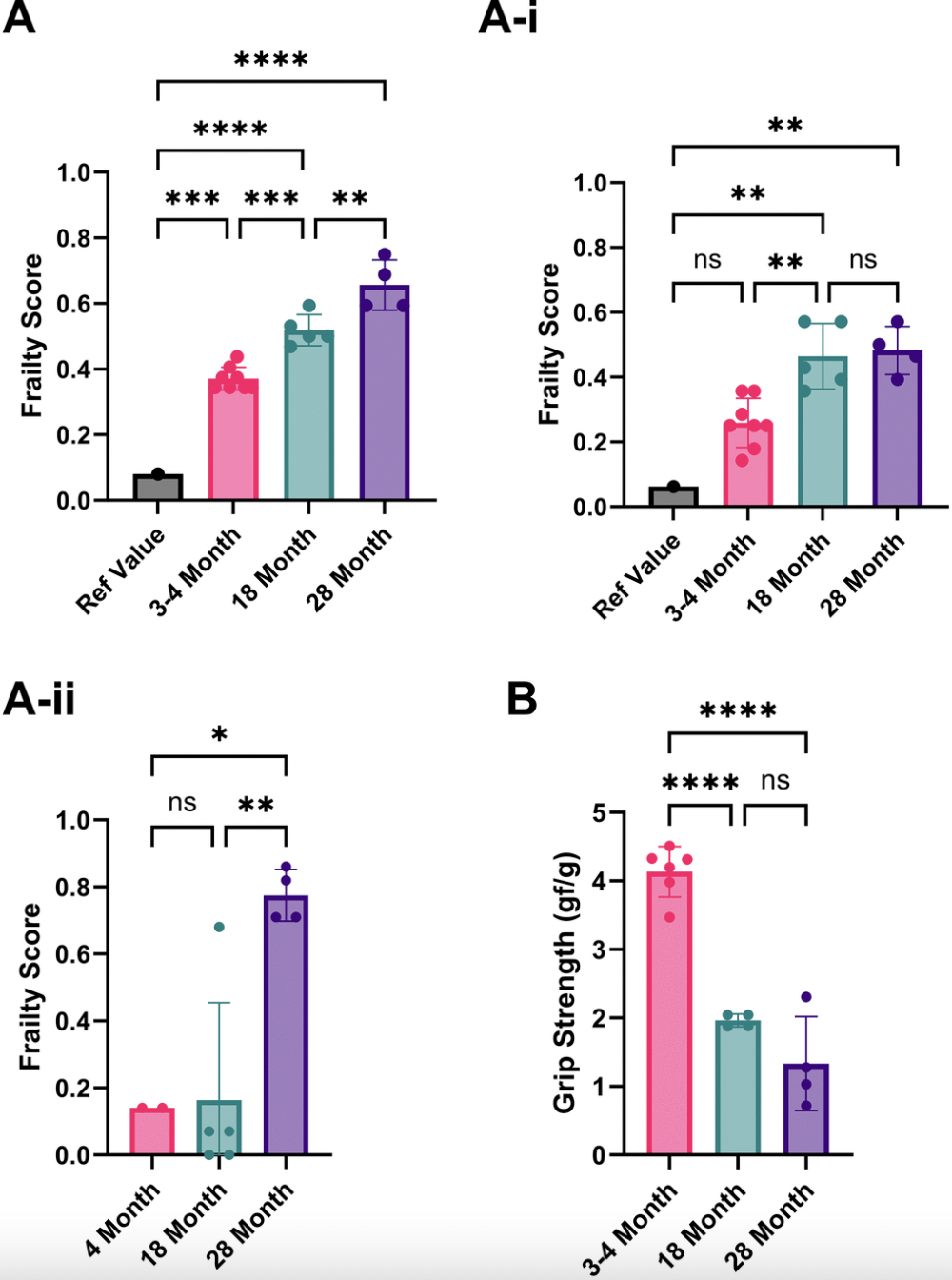
A new research perspective was published in Volume 17, Issue 9 of Aging-US on August 26, 2025, titled “Analysis of the current state of frailty indexes and their implementation for aging intervention studies.”
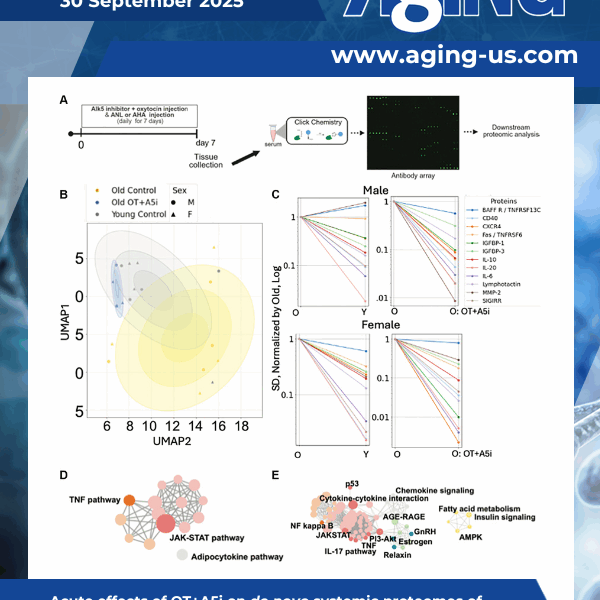
A new research paper featured as the cover of Volume 17, Issue 9 of Aging-US was published on August 21, 2025, titled “Sex-specific longitudinal reversal of aging in old frail mice.”
Here, we examined whether simultaneous calibration of pathways that change with aging in opposite directions would be more effective in increasing healthspan and lifespan. Moreover, we started with the challenging age group – frail 25-months-old mice that are equivalent to ~75-year-old people.
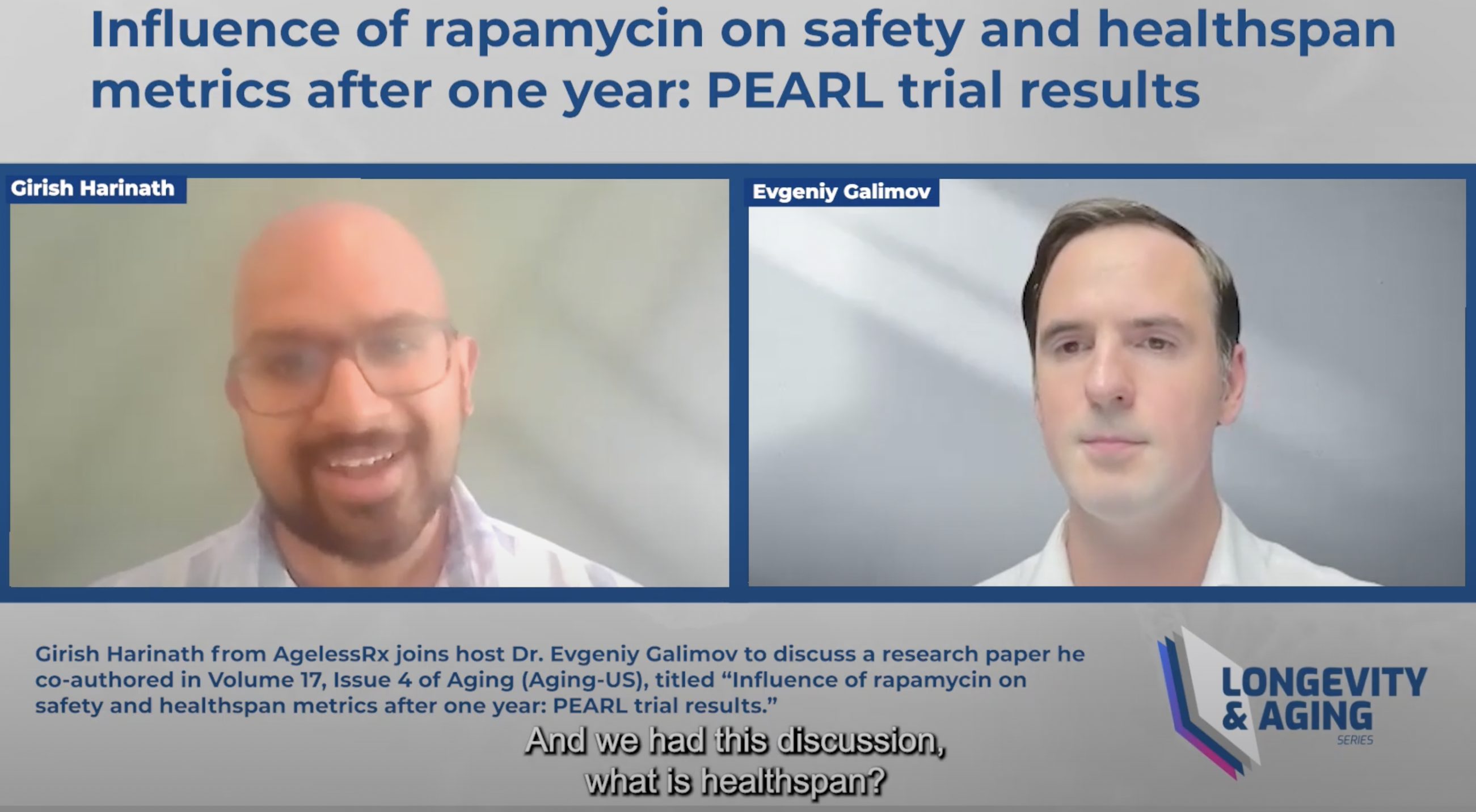
Girish Harinath from AgelessRx joins host Dr. Evgeniy Galimov to discuss a research paper he co-authored in Volume 17, Issue 4 of Aging-US, titled “Influence of rapamycin on safety and healthspan metrics after one year: PEARL trial results.”