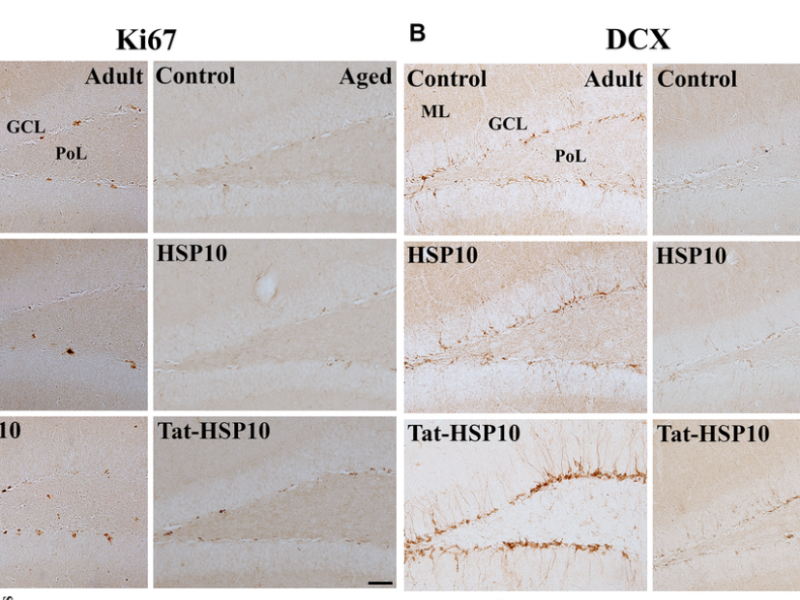
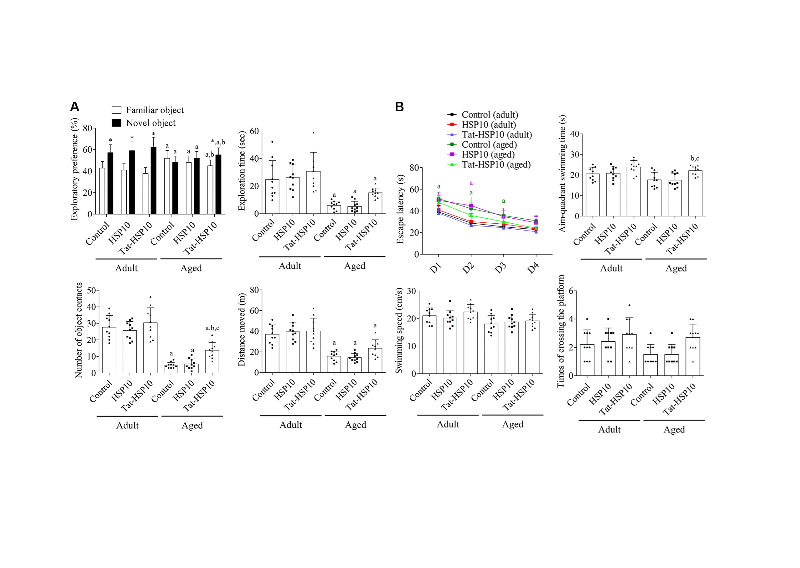
PRESS RELEASE: A new research paper was published in Aging’s Volume 15, Issue 22, entitled, “Tat-heat shock protein 10 ameliorates age-related phenotypes by facilitating neuronal plasticity and reducing age-related genes in the hippocampus.”
Aging Journal
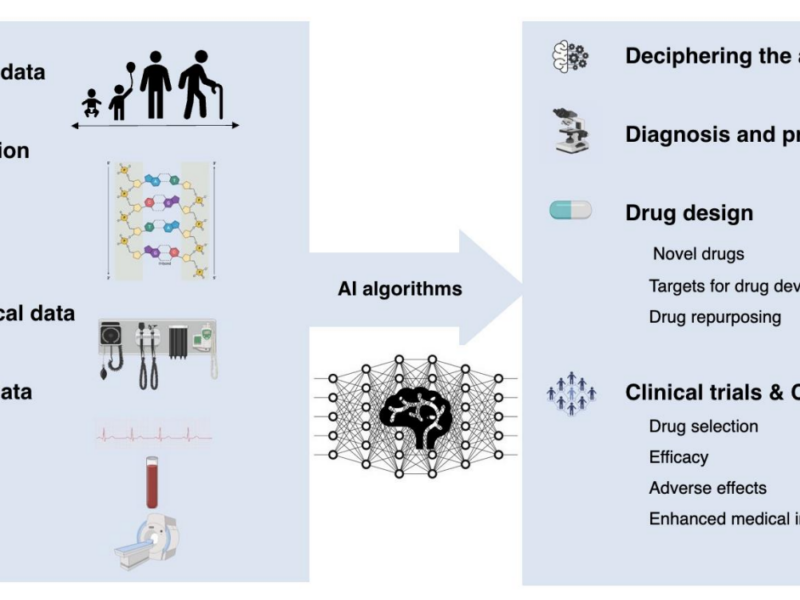
PRESS RELEASE: A new editorial paper was published in Aging’s Volume 15, Issue 22, entitled, “Artificial intelligence for aging research in cancer drug development.”
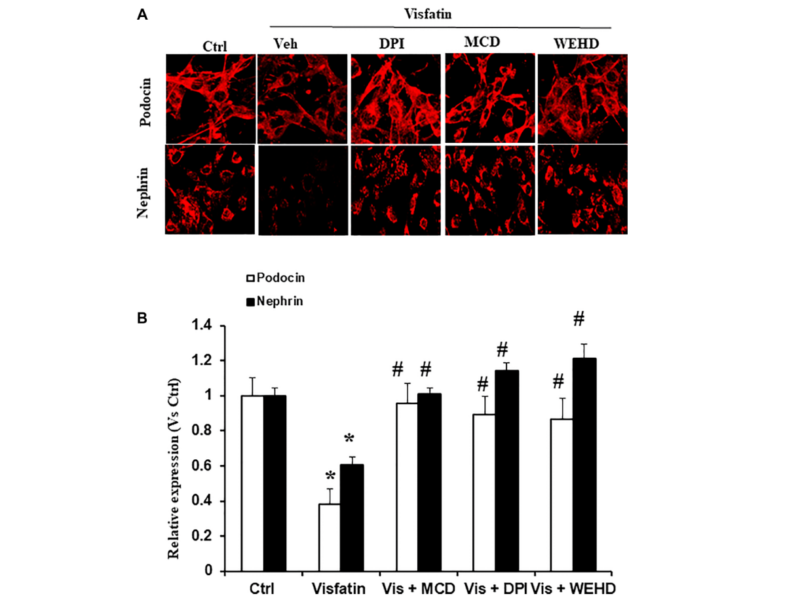
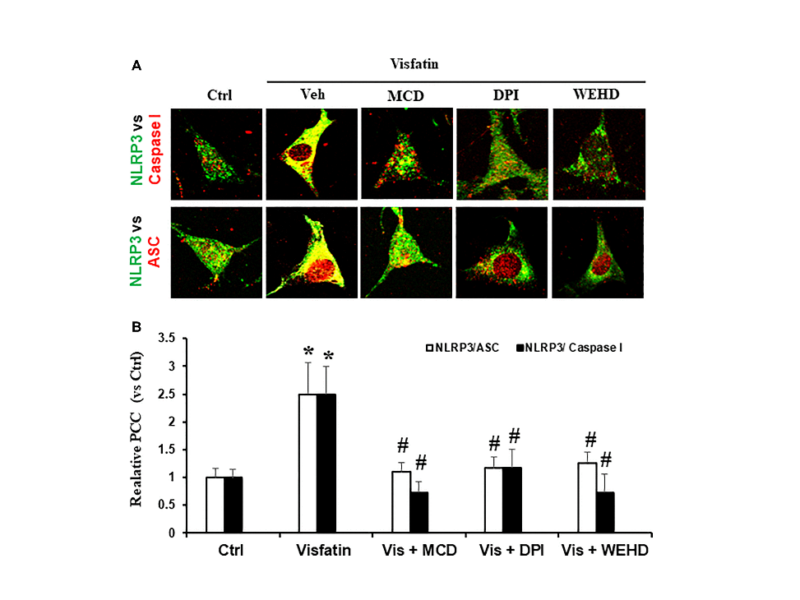
PRESS RELEASE: A new research paper was published in Aging’s Volume 15, Issue 22, entitled, “Contribution of membrane raft redox signalling to visfatin-induced inflammasome activation and podocyte injury.”
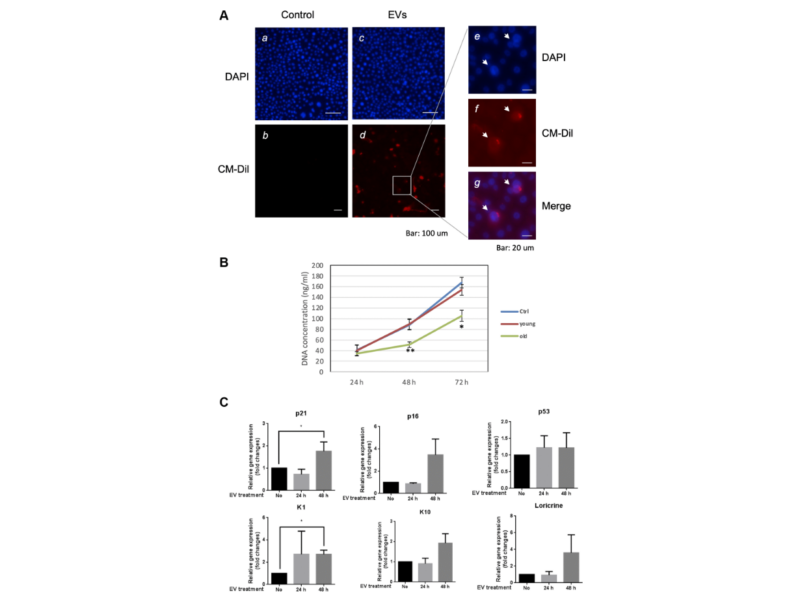
PRESS RELEASE: A new research paper was published on the cover of Aging’s Volume 15, Issue 22, entitled, “Chronological aging impacts abundance, function and microRNA content of extracellular vesicles produced by human epidermal keratinocytes.”
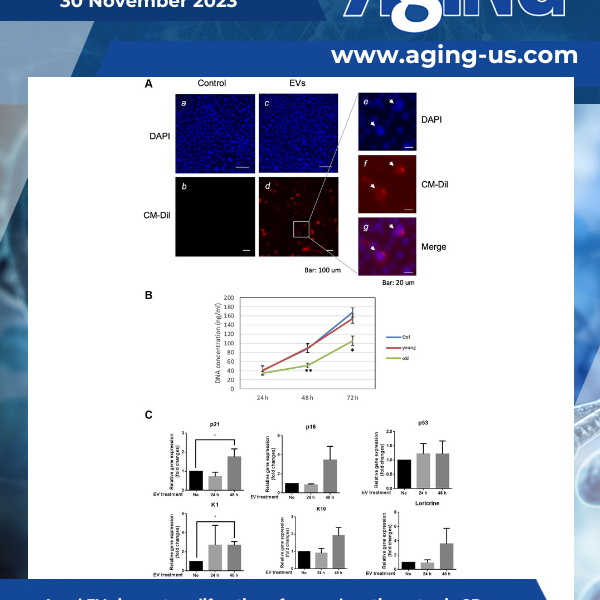
The disturbance of intercellular communication is one of the hallmarks of aging. The goal of this study is to clarify the impact of chronological aging on extracellular vesicles (EVs), a key mode of communication in mammalian tissues.
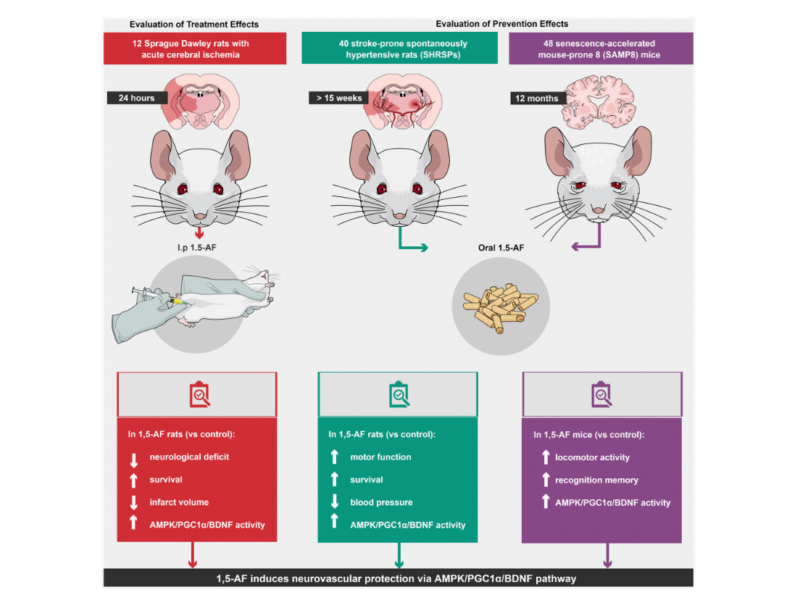
PRESS RELEASE: A new research paper was published in Aging’s Volume 15, Issue 21, entitled, “1,5-anhydro-D-fructose induces anti-aging effects on aging-associated brain diseases […]”
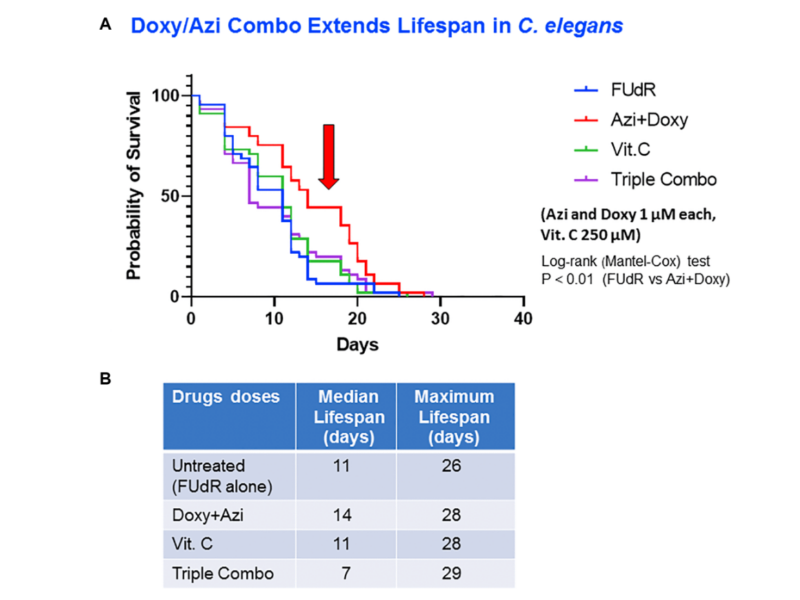
PRESS RELEASE: A new research paper was published in Aging’s Volume 15, Issue 21, entitled, “Antibiotics that target mitochondria extend lifespan in C. elegans.”
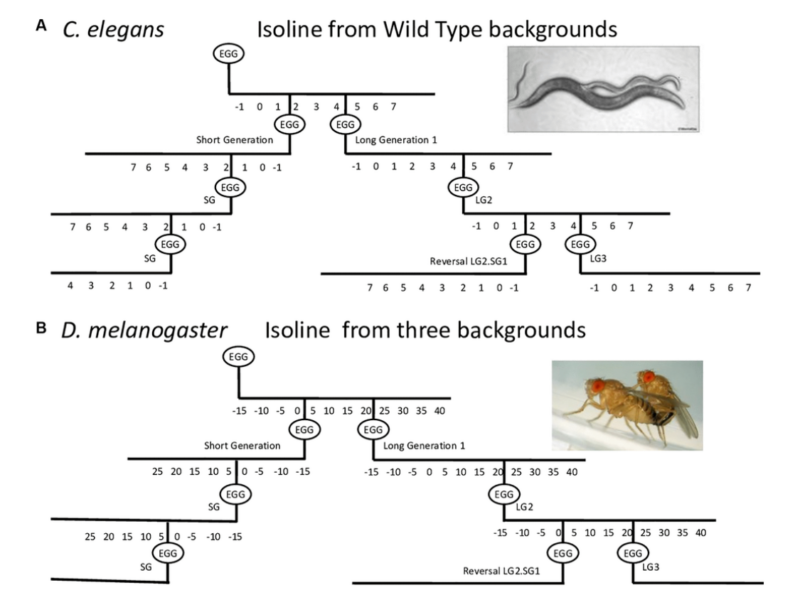
PRESS RELEASE: A new research paper was published in Aging’s Volume 15, Issue 21, entitled, “Parental age effect on the longevity and healthspan in Drosophila melanogaster and Caenorhabditis elegans.”