Impact Journals, the publisher of Aging, is once again proudly sponsoring the Open Access Team in the annual Ride for Roswell.
Aging Journal
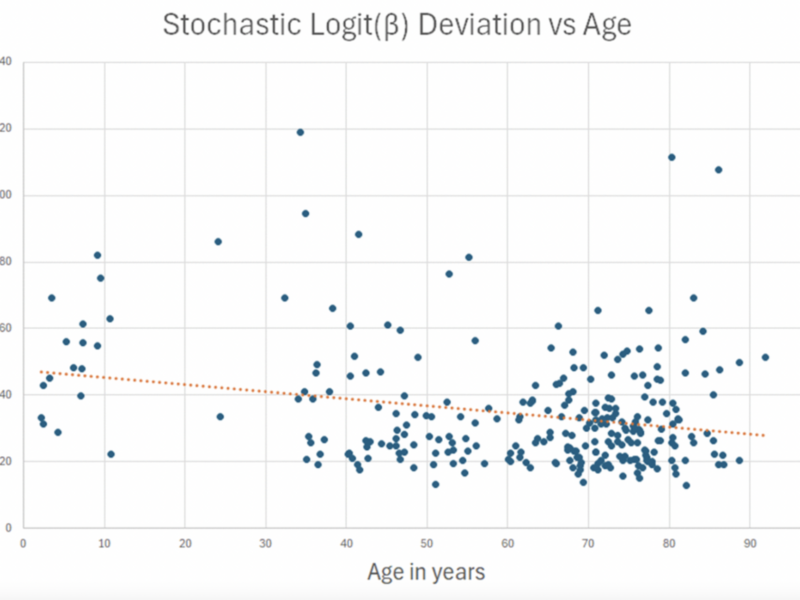
A new research perspective was published in Aging (Aging-US) Volume 17, Issue 5, on May 5, 2025, titled “Methylation clocks for evaluation of anti-aging interventions.”
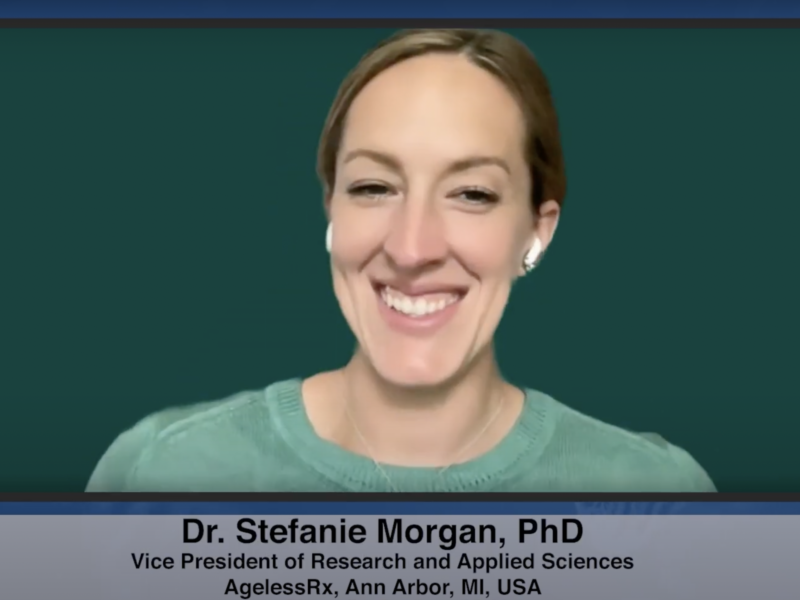
Dr. Stefanie Morgan joins Dr. Robert Dudley from AgelessRx to discuss a research paper she co-authored in Aging, entitled “Influence of rapamycin on safety and healthspan metrics after one year: PEARL trial results.”
The Longevity & Aging Series has been honored with the Silver Award for “Excellence in Video/Film” at the inaugural EPIC Awards celebration on May 29, 2025, during the Society for Scholarly Publishing (SSP) 47th Annual Meeting in Baltimore, Maryland.
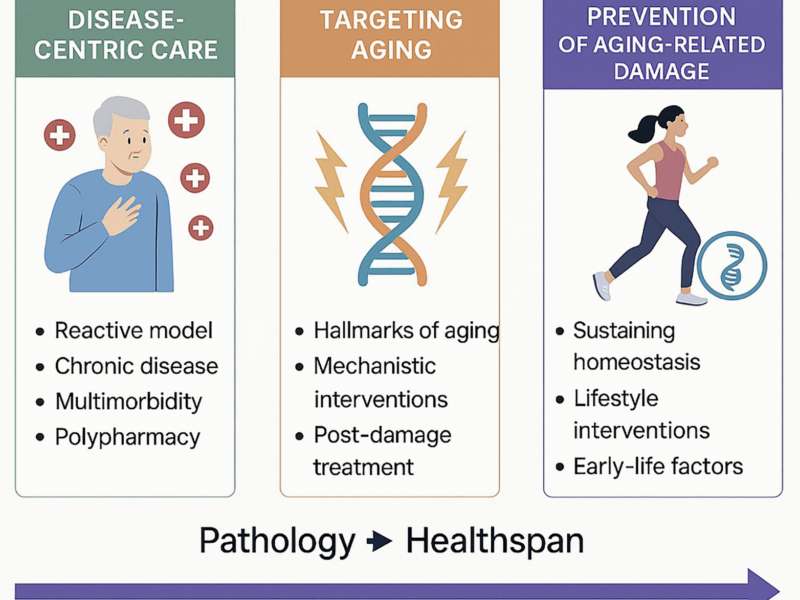
A new editorial was published in Aging (Aging-US) Volume 17, Issue 5, on May 29, 2025, titled “Rethinking healthcare through aging biology.”
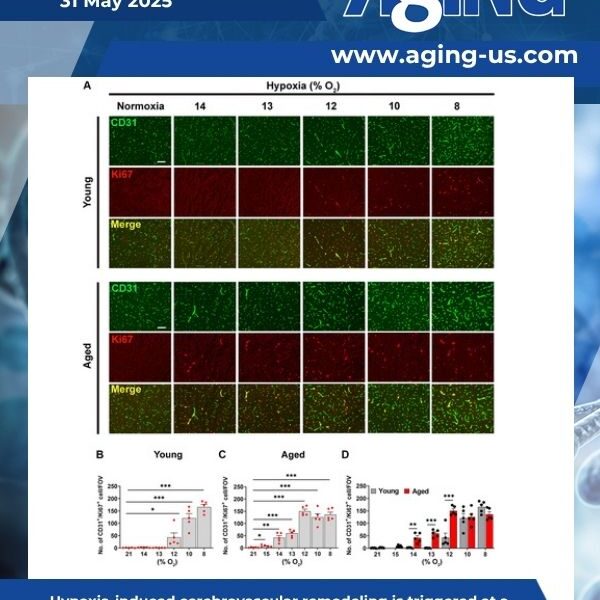
A new research paper was published in Aging (Aging-US) on May 1, 2025, as the cover of Volume 17, Issue 5, titled “Defining the hypoxic thresholds that trigger blood-brain barrier disruption: the effect of age.”
Chronic mild hypoxia (CMH; 8% O2) triggers transient blood-brain barrier (BBB) disruption, an effect greatly increased with age. As BBB disruption predisposes to neuronal death and cognitive decline, here we defined the hypoxic thresholds that trigger BBB breakdown in young and aged mice, and then defined the age at which hypoxia-induced BBB disruption significantly increases.
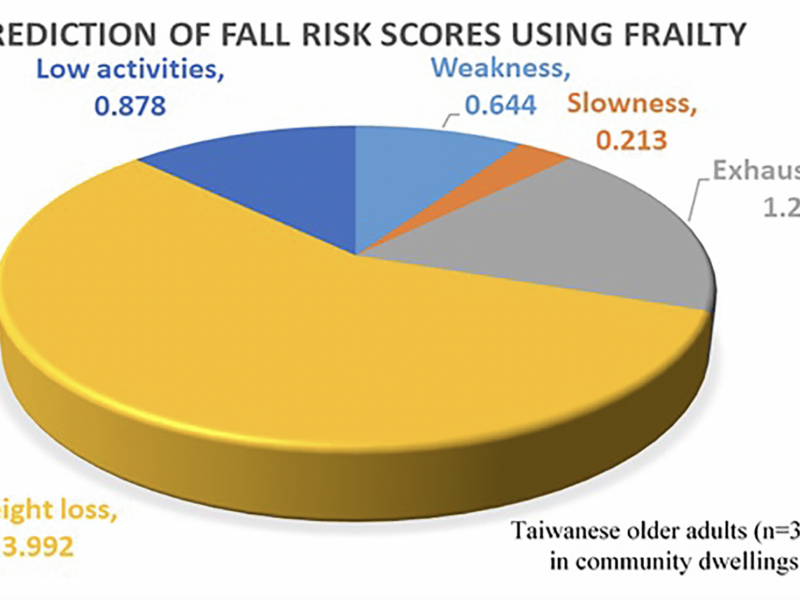
A new research paper was published in Aging (Aging-US) Volume 17, Issue 4, on April 1, 2025, titled “Examining frailty phenotypes of community-dwelling older adults in Taiwan using the falls risk for older people in the community – Taiwan version (Tw-FROP-Com).”
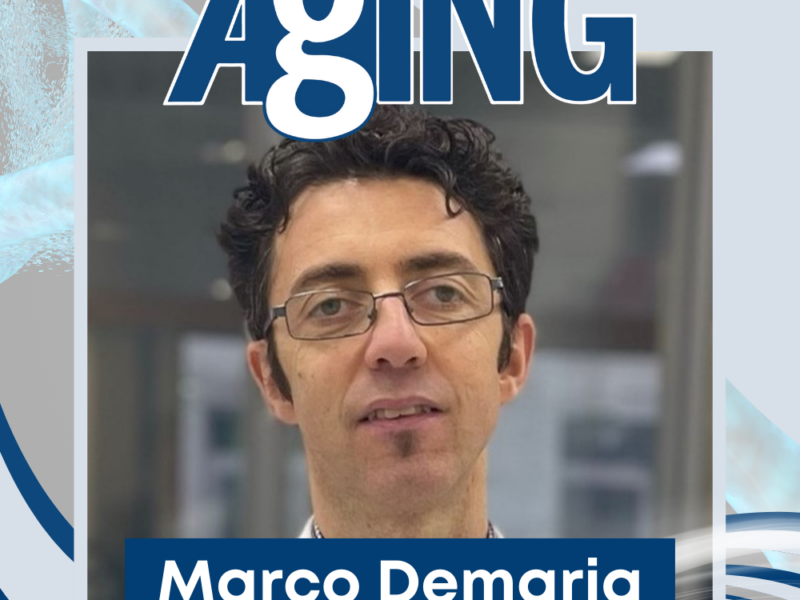
It is with great enthusiasm and a deep sense of responsibility that I have assumed the role of Editor-in-Chief of Aging-US, effective January 1, 2025. Throughout my career at the intersection of aging research, cellular senescence, and translational science, I have witnessed the transformative potential that deeper insights into the biology of aging can have on healthspan and overall quality of life. This is why I am honored to guide Aging-US into its next chapter.
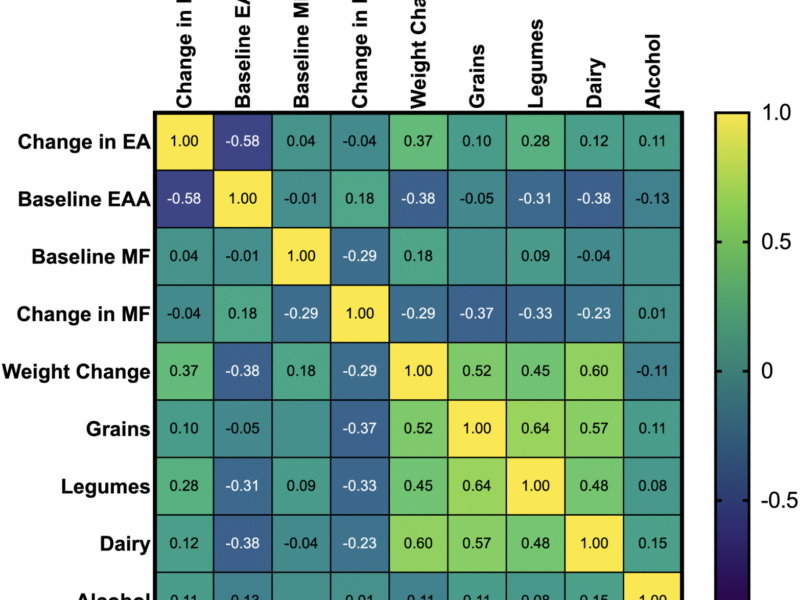
A new research paper was published in Aging (Aging-US) Volume 17, Issue 4, on April 17, 2025, titled “Dietary associations with reduced epigenetic age: a secondary data analysis of the methylation diet and lifestyle study.”