
A new research paper was published in Volume 18 of Aging on May 26, 2026, titled “Early-life determinants of cardiometabolic outcomes and accelerated biological ageing in Colombia.”
Aging Journal
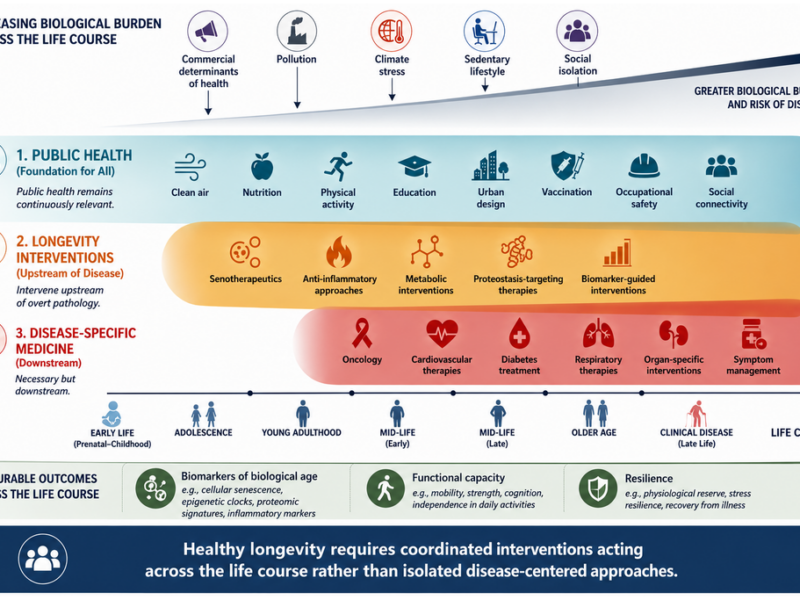
A new editorial was published in Volume 18 of Aging-US on May 18, 2026, titled “Public health in the age of longevity interventions: from prevention to system-wide resilience.”
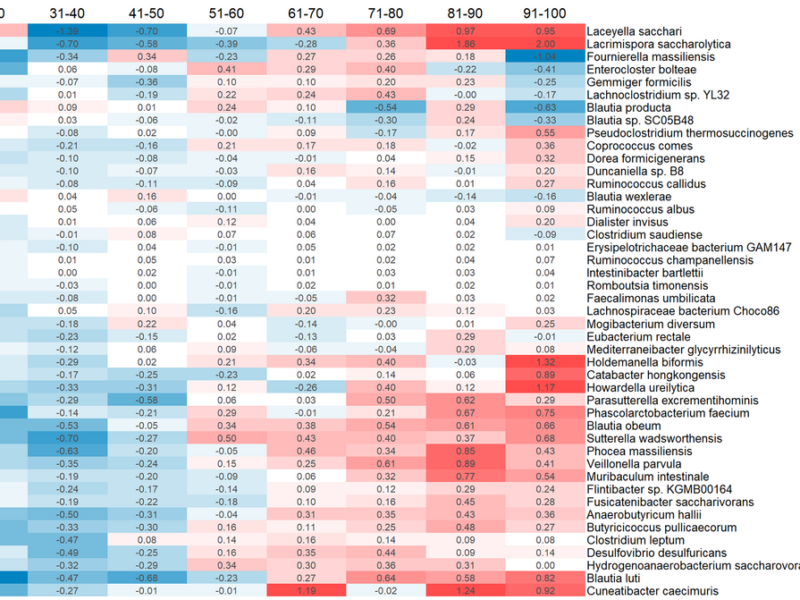
A new research paper was published in Volume 18 of Aging-US on March 12, 2026, titled “Blood biochemical and gut microbiotic neural network models forecasting human biological age.”
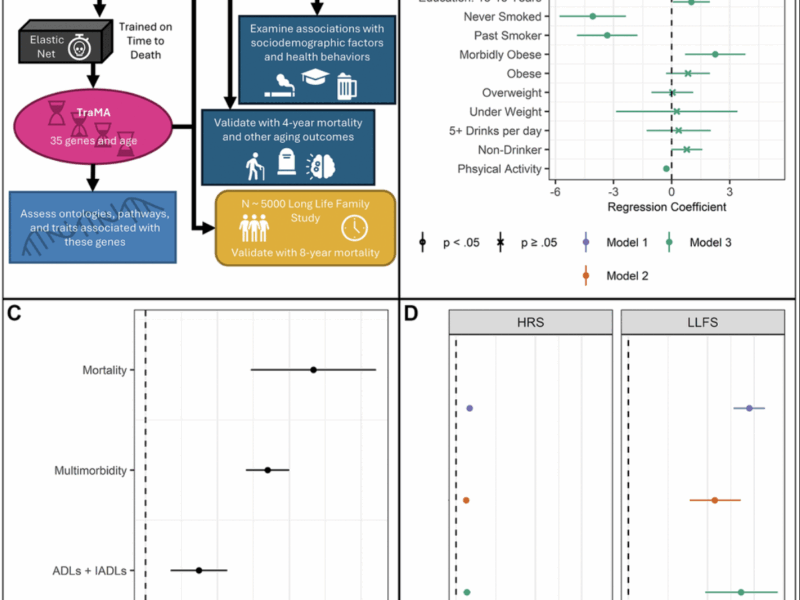
A new research paper was published in Aging (Aging-US) Volume 17, Issue 6, on June 13, 2025, titled “Development of a novel transcriptomic measure of aging: Transcriptomic Mortality-risk Age (TraMA).”
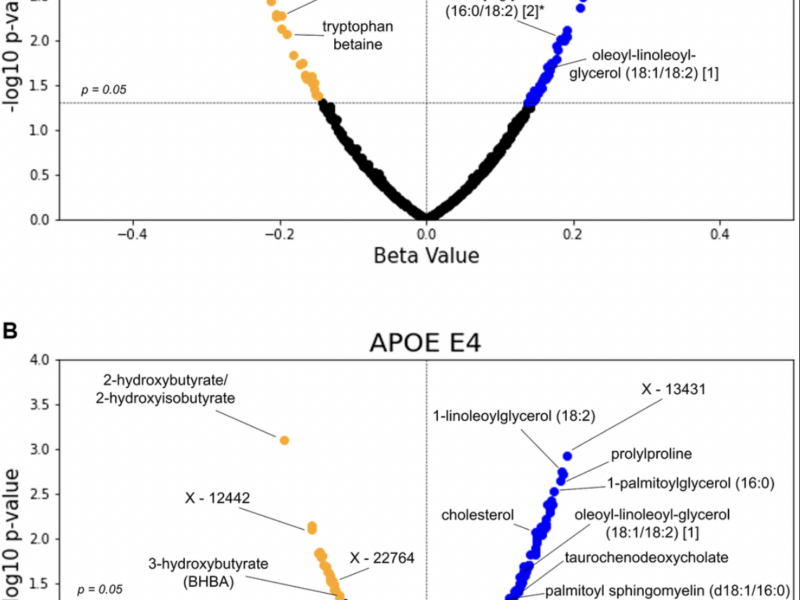
A new research paper was published in Aging (Aging-US) Volume 17, Issue 5, on May 3, 2025, titled “APOE genotype and biological age impact inter-omic associations related to bioenergetics.”
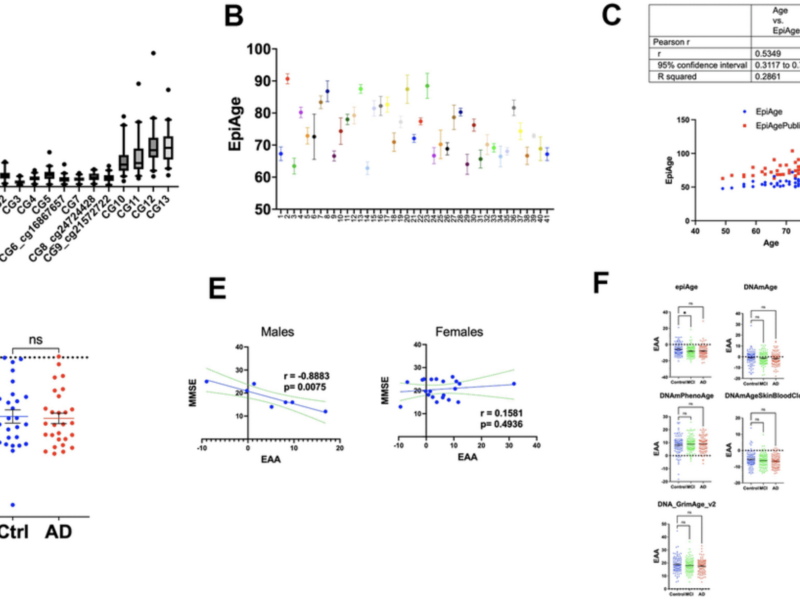
A new research paper was published in Aging (Aging-US) on January 22, 2025, in Volume 17, Issue 1, titled “EpiAge: a next-generation sequencing-based ELOVL2 epigenetic clock for biological age assessment in saliva and blood across health and disease.”

Dr. Moshe Szyf from EpiMedTech Global in Singapore discusses a research paper he co-authored that was published in Volume 17, Issue 1 of Aging (Aging-US), entitled “EpiAge: a next-generation sequencing-based ELOVL2 epigenetic clock for biological age assessment in saliva and blood across health and disease.”

A new priority research paper, featured as the cover of Aging (listed by MEDLINE/PubMed as “Aging (Albany NY)” and “Aging-US” by Web of Science) Volume 16, Issue 22, was published on December 29, 2024. The paper is titled “Cell-type specific epigenetic clocks to quantify biological age at cell-type resolution.”

PRESS RELEASE – A new editorial was published in Aging (listed by MEDLINE/PubMed as “Aging (Albany NY)” and “Aging-US” by Web of Science), Volume 16, Issue 15 on July 19, 2024, entitled, “Physical fitness and lifestyles associated with biological aging.”
Dr. May Beydoun discusses a research paper she co-authored that was published by Aging (Aging-US) as the cover for Volume 14, Issue 13, entitled, “Epigenetic clocks and their association with trajectories in perceived discrimination and depressive symptoms among US middle-aged and older adults.”