
A new research paper was published in Volume 17, Issue 9 of Aging-US on August 22, 2025, titled, “The impact of long-term social housing on biconditional association task performance and neuron ensembles in the anterior cingulate cortex and the hippocampal CA3 region of aged rats.”
Aging-US Authors
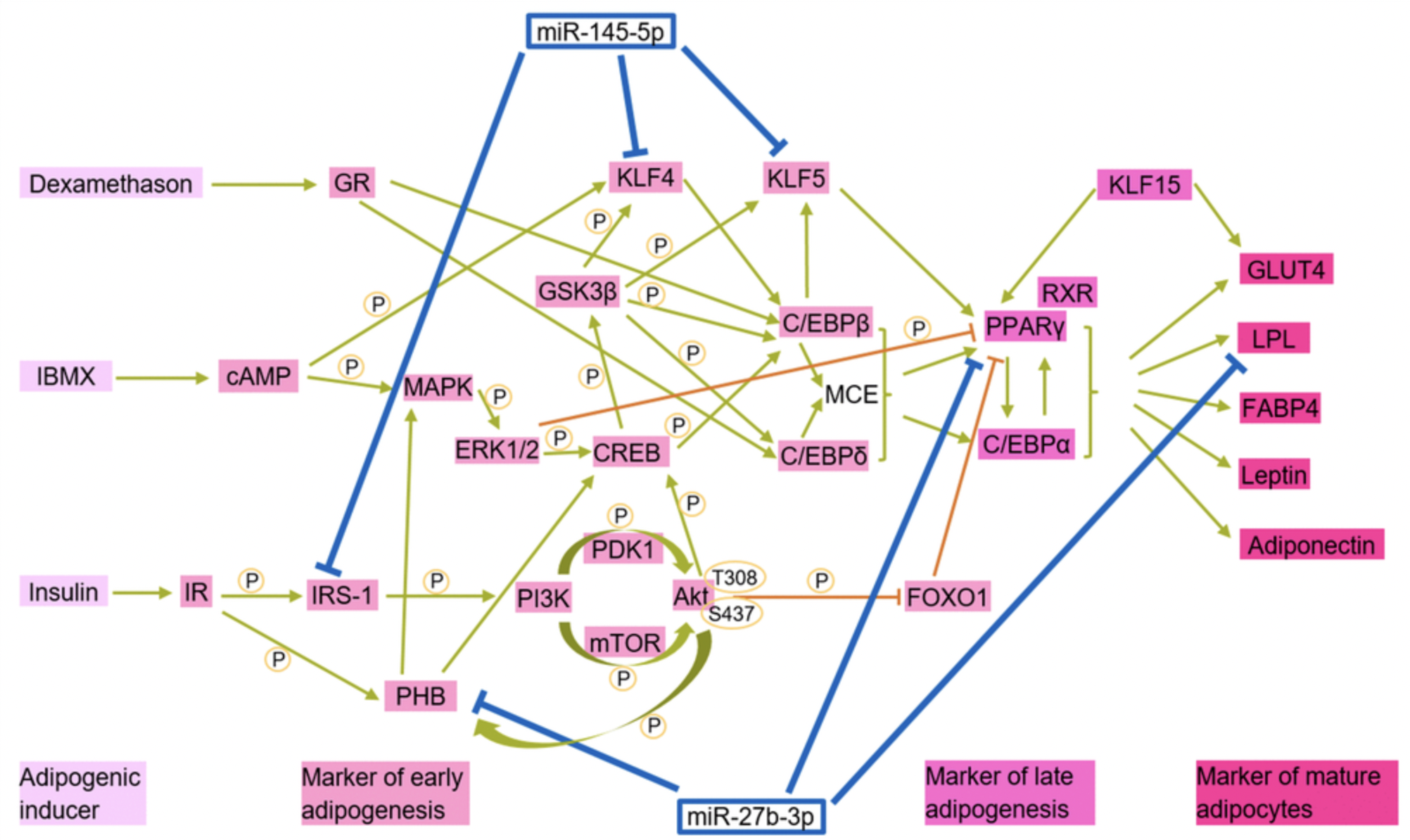
A new research paper was published in Volume 17, Issue 9 of Aging-US on August 27, 2025, titled, “Deregulated miR-145 and miR-27b in Hutchinson-Gilford progeria syndrome: implications for adipogenesis.”

A new research perspective was published in Volume 17, Issue 9 of Aging-US on August 26, 2025, titled “Analysis of the current state of frailty indexes and their implementation for aging intervention studies.”
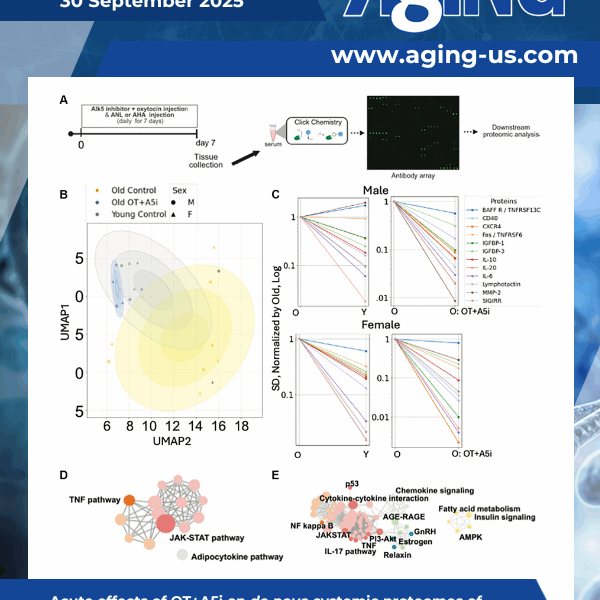
A new research paper featured as the cover of Volume 17, Issue 9 of Aging-US was published on August 21, 2025, titled “Sex-specific longitudinal reversal of aging in old frail mice.”

A new research paper was published in Volume 17, Issue 8 of Aging-US on August 7, 2025, titled, “What is the clinical evidence to support off-label rapamycin therapy in healthy adults?”

A new research paper was published in Volume 17, Issue 8 of Aging-US on August 7, 2025, titled “Senescent cell heterogeneity and responses to senolytic treatment are related to cell cycle status during senescence induction.”
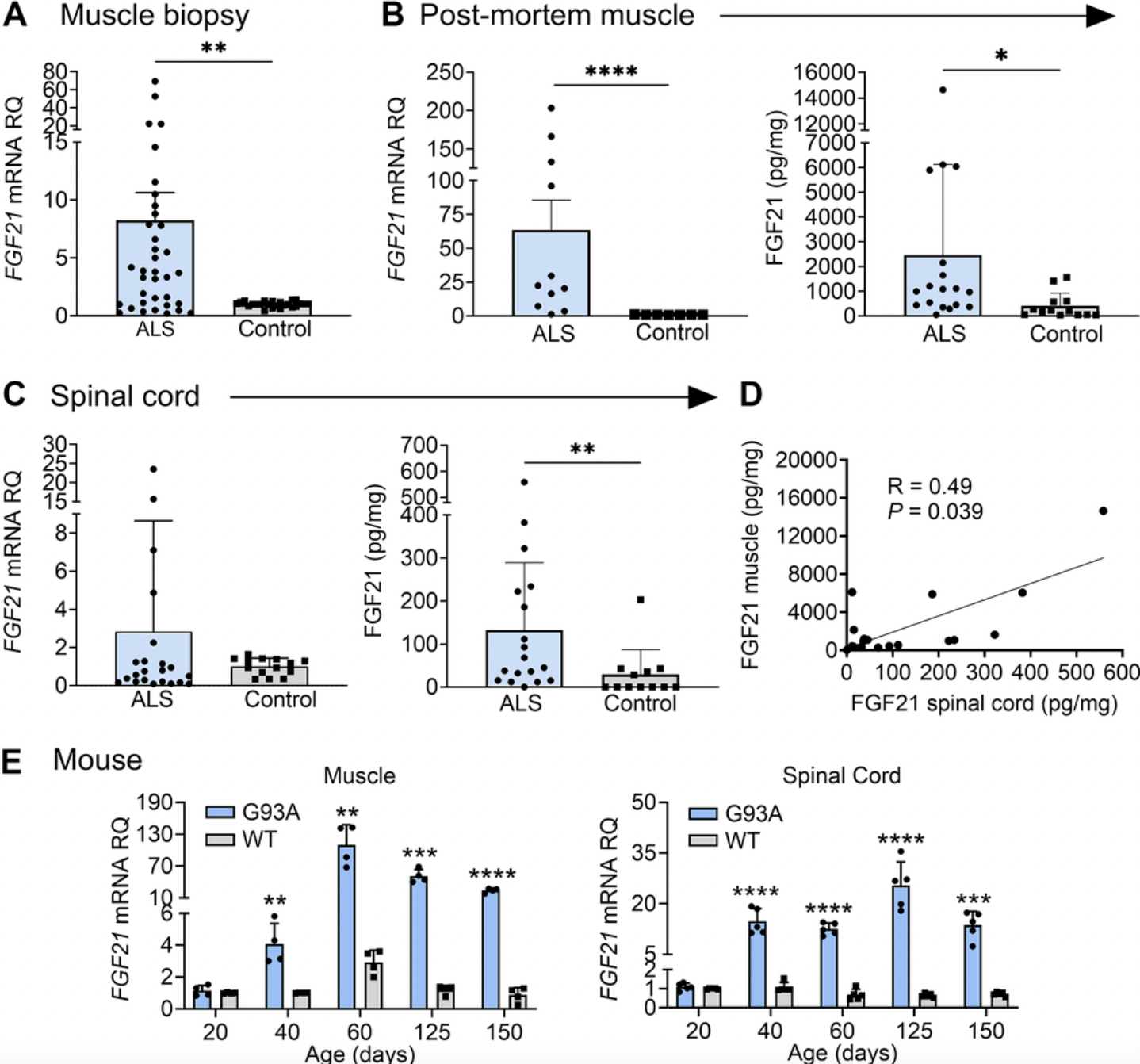
A new research paper was published in Volume 17, Issue 8 of Aging-US on August 9, 2025, titled “The myokine FGF21 associates with enhanced survival in ALS and mitigates stress-induced cytotoxicity.”

A new research paper was published in Volume 17, Issue 8 of Aging-US on August 6, 2025, titled “Age-related trends in amyloid positivity in Parkinson’s disease without dementia.”

A new research paper was published in Volume 17, Issue 8 of Aging-US on August 8, 2025, titled “AI-driven toolset for IPF and aging research associates lung fibrosis with accelerated aging.”

A new research paper was published in Volume 17, Issue 8 of Aging-US on August 1, 2025, titled “Causal relationships between gut microbiome and hundreds of age-related traits: evidence of a replicable effect on ApoM protein levels.”