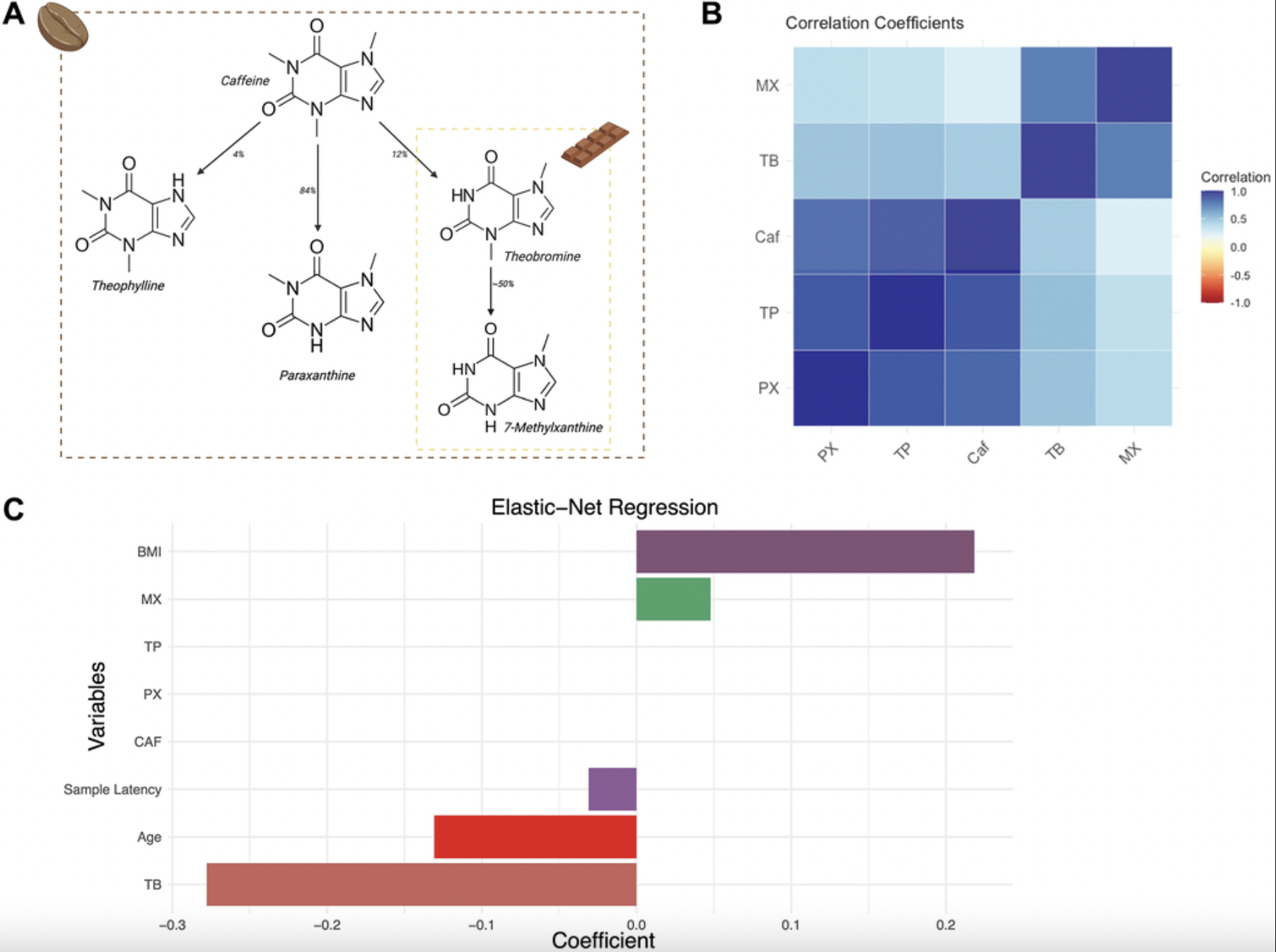
“Our findings indicate that the reported beneficial links between theobromine intake on health and ageing extend to the molecular epigenetic level in humans.” BUFFALO, NY
Aging Journal
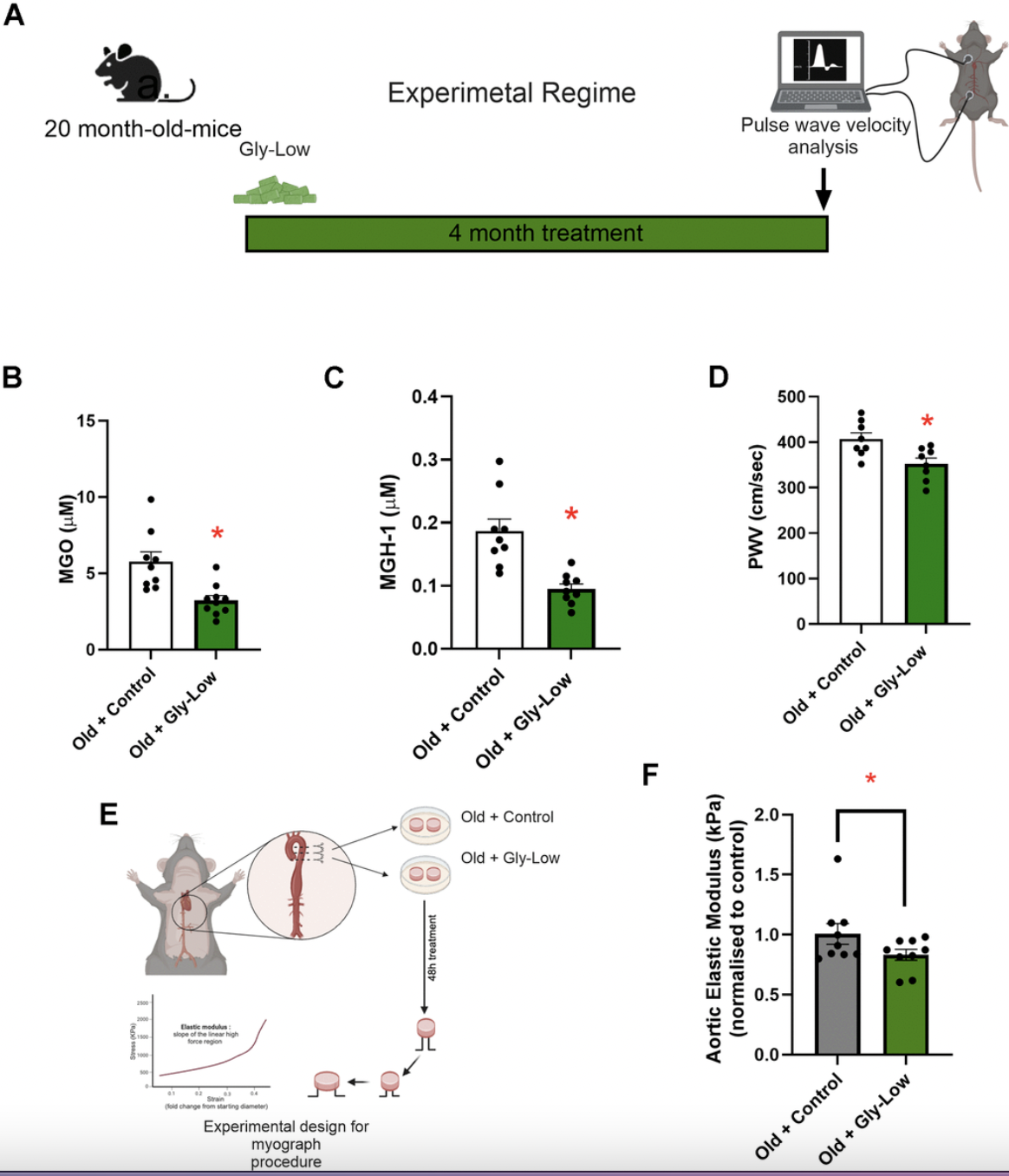
A new research paper was published in Volume 17, Issue 11 of Aging-US on November 14, 2025, titled “Methylglyoxal-induced glycation stress promotes aortic stiffening: putative mechanistic roles of oxidative stress and cellular senescence.”
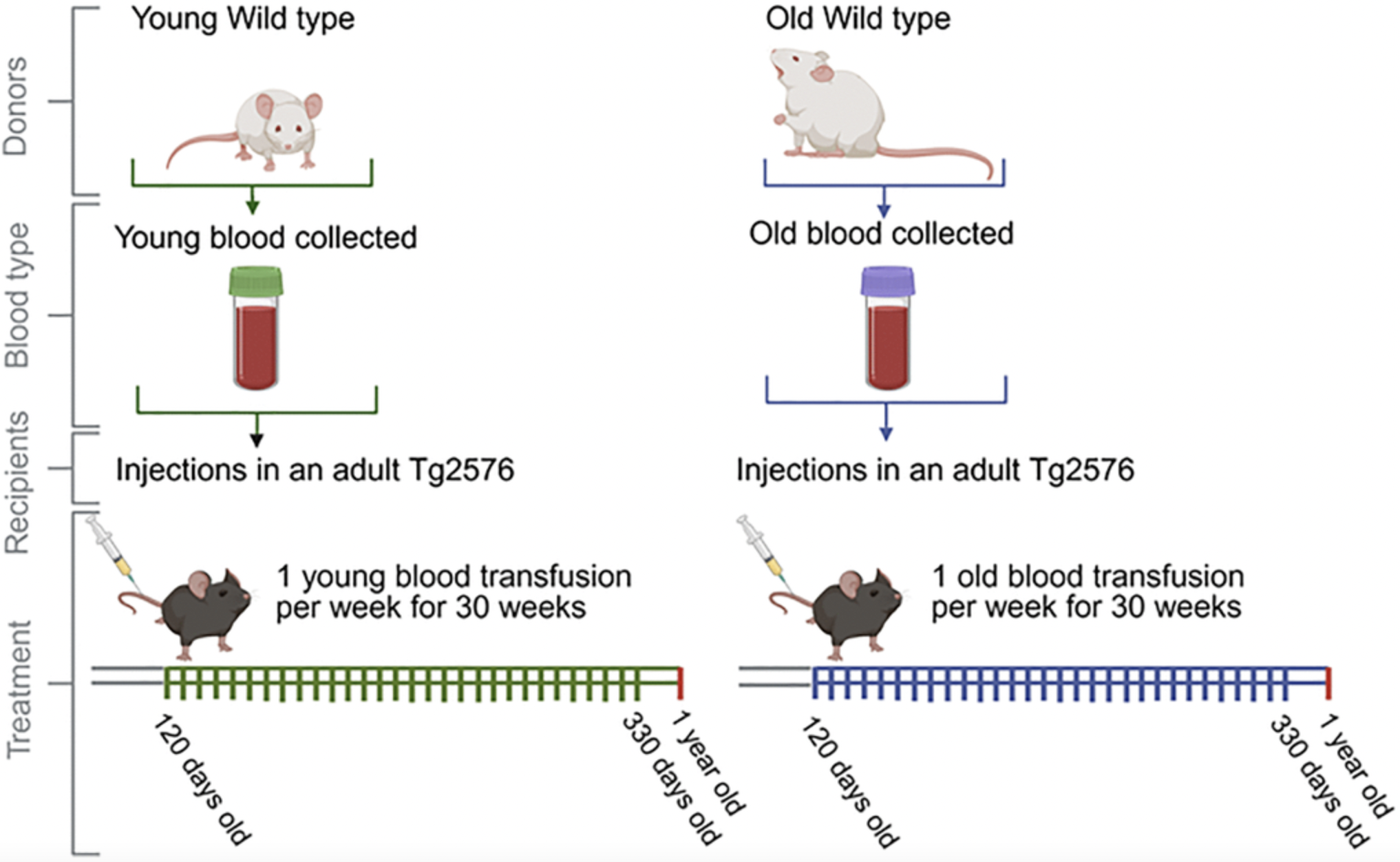
A new research paper was published in Volume 17, Issue 11 of Aging-US on September 12, 2025, titled “Infusion of blood from young and old mice modulates amyloid pathology.”
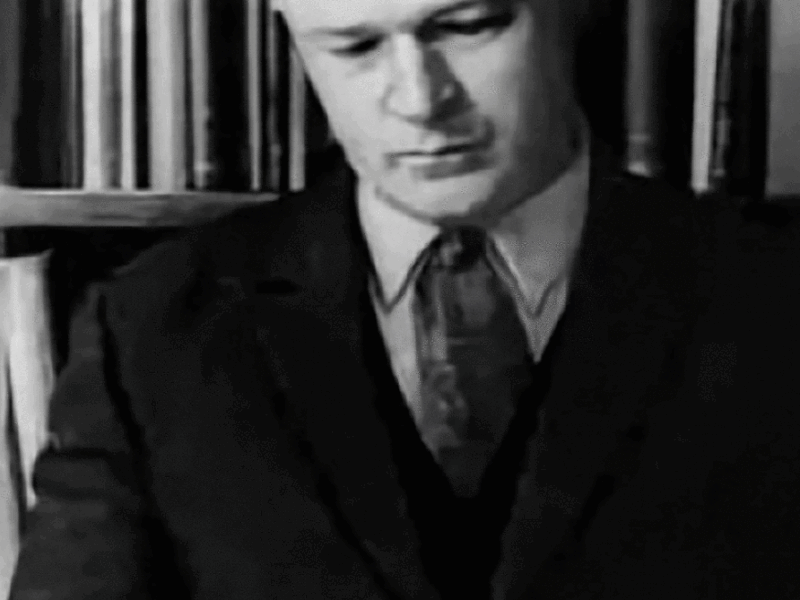
A new essay was published in Volume 17, Issue 11 of Aging-US on November 19, 2025, titled “On the intergenerational transfer of ideas in aging and cancer research: from the hypothalamus according to V.M. Dilman to the mTOR protein complex according to M.V. Blagosklonny.”
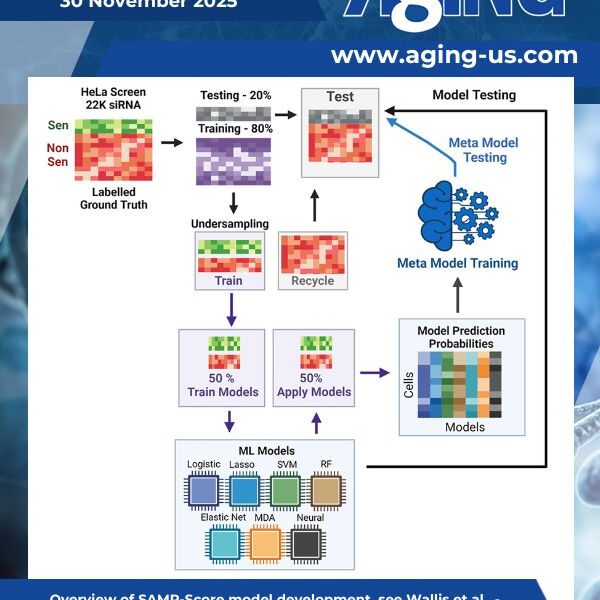
A new research paper featured on the cover of Volume 17, Issue 11 of Aging-US was published on October 30, 2025, titled “SAMP-Score: a morphology-based machine learning classification method for screening pro-senescence compounds in p16 positive cancer cells.”
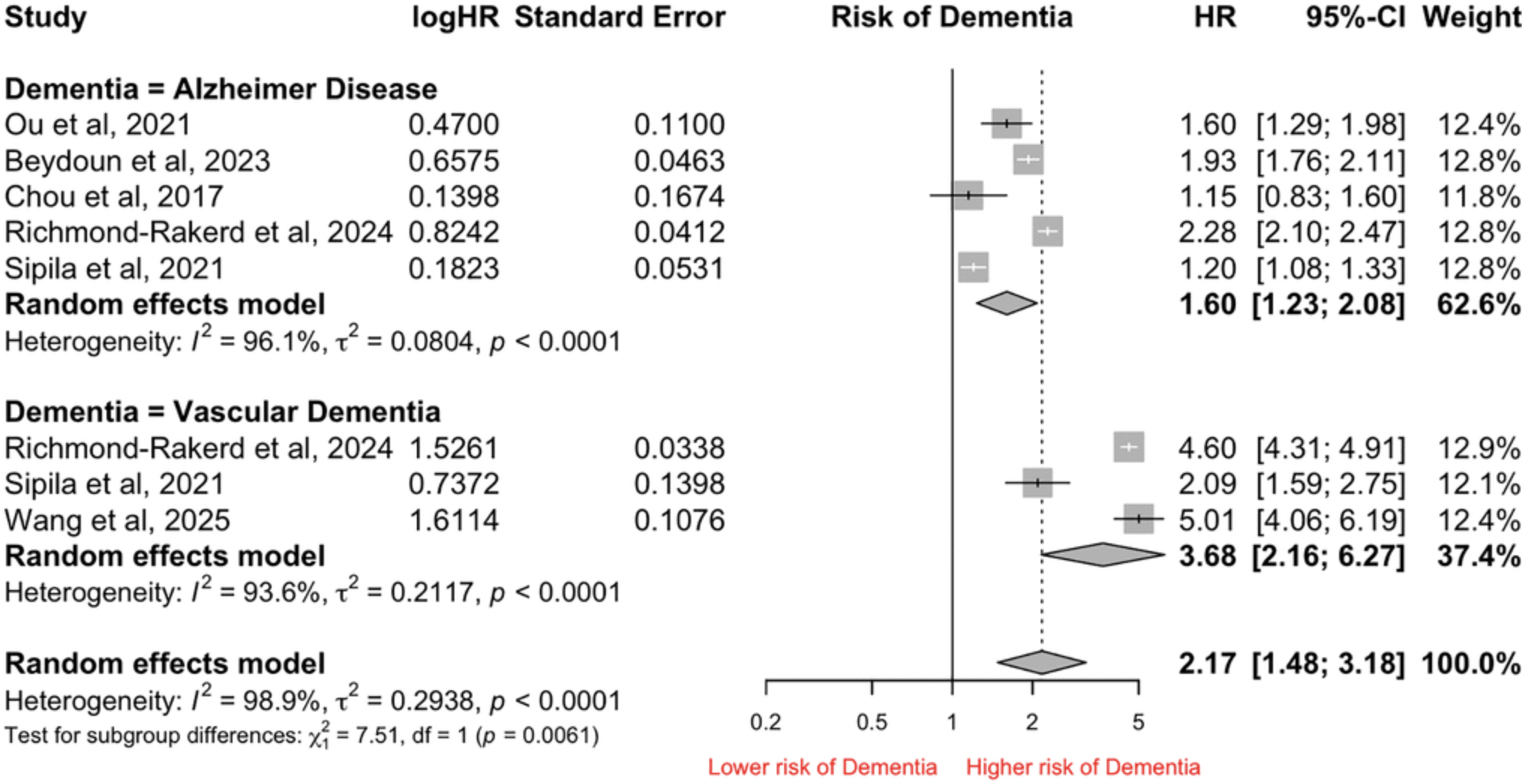
A new research paper was published in Volume 17, Issue 10 of Aging-US on October 13, 2025, titled “Hospitalization with infections and risk of Dementia: a systematic review and meta-analysis.”
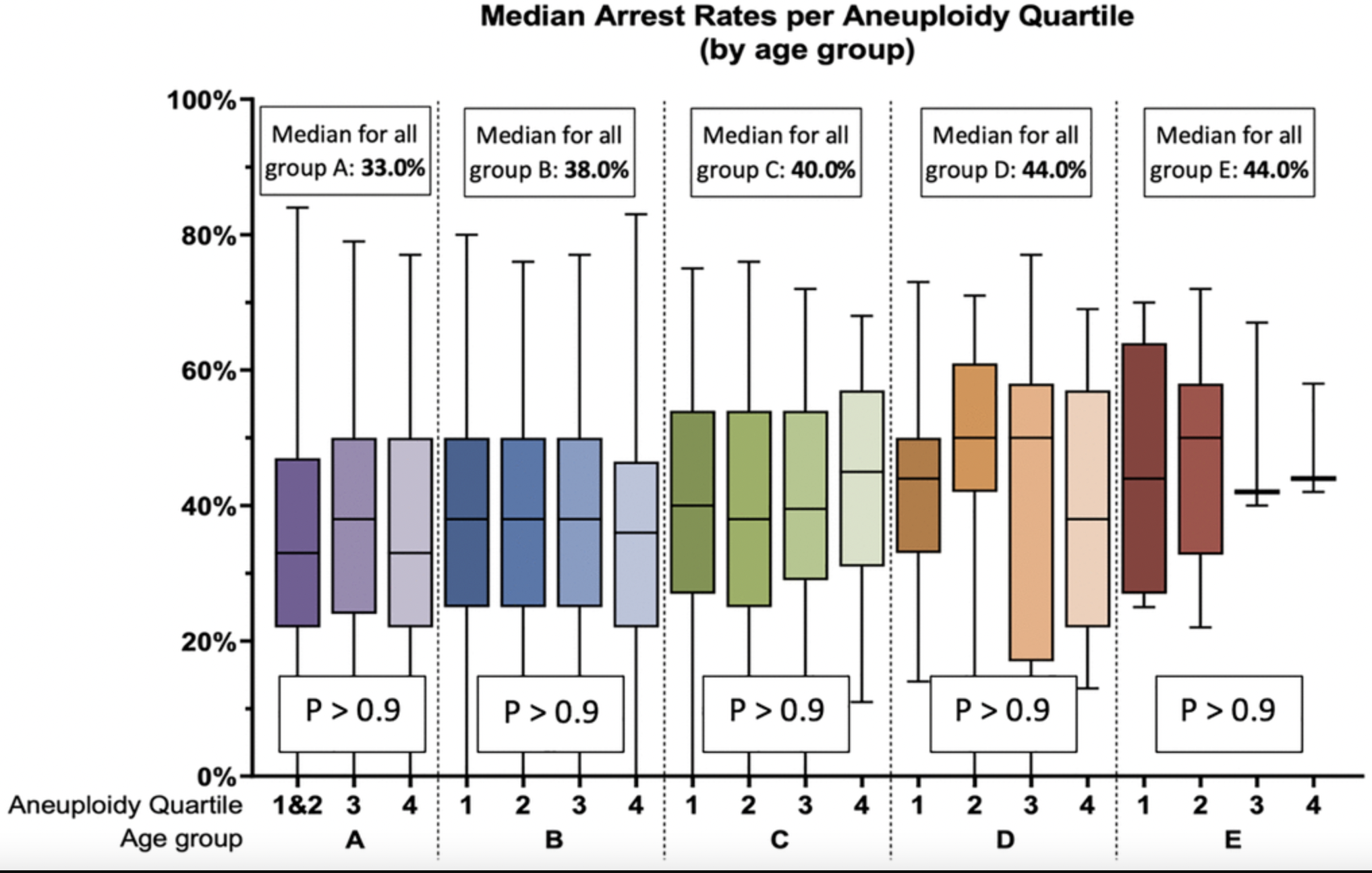
A new research paper was published in Volume 17, Issue 10 of Aging-US on October 10, 2025, titled “Developmental arrest rate of an embryo cohort correlates with advancing reproductive age, but not with the aneuploidy rate of the resulting blastocysts in good prognosis patients: a study of 25,974 embryos.”
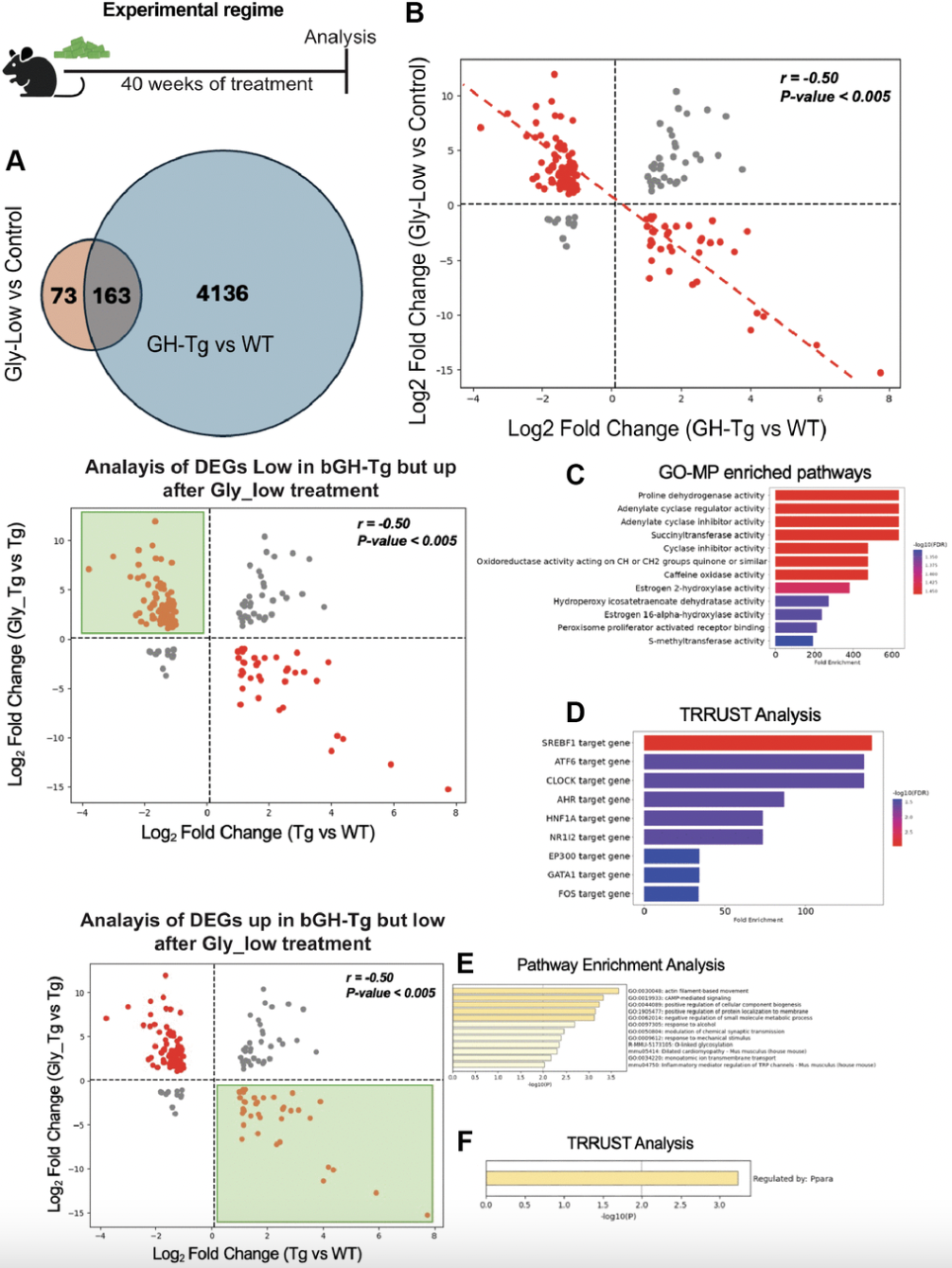
A new research paper was published in Volume 17, Issue 10 of Aging-US on October 3, 2025, titled “Growth hormone excess drives liver aging via increased glycation stress.”
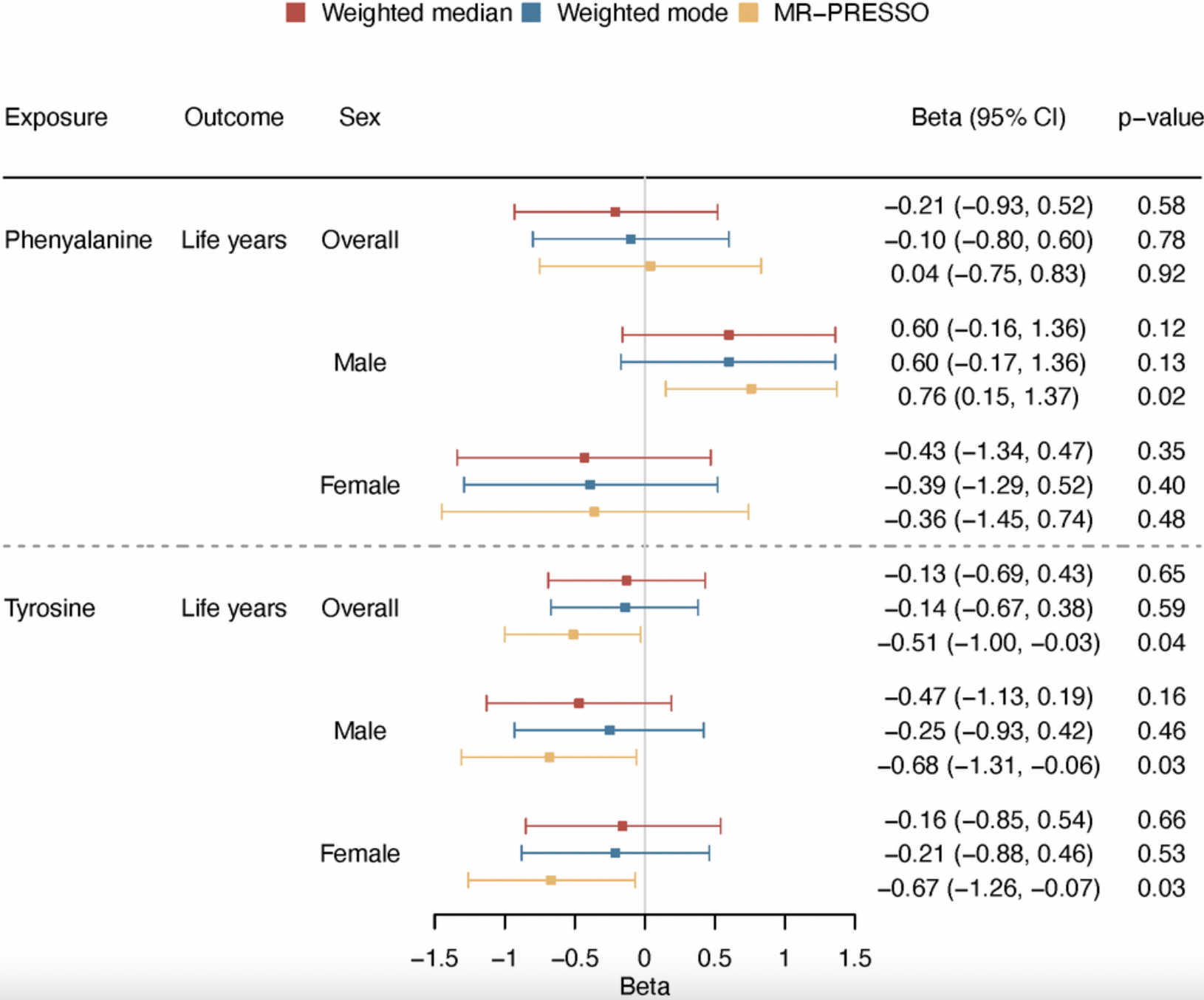
A new research paper was published in Volume 17, Issue 10 of Aging-US on October 3, 2025, titled “The role of phenylalanine and tyrosine in longevity: a cohort and Mendelian randomization study.”
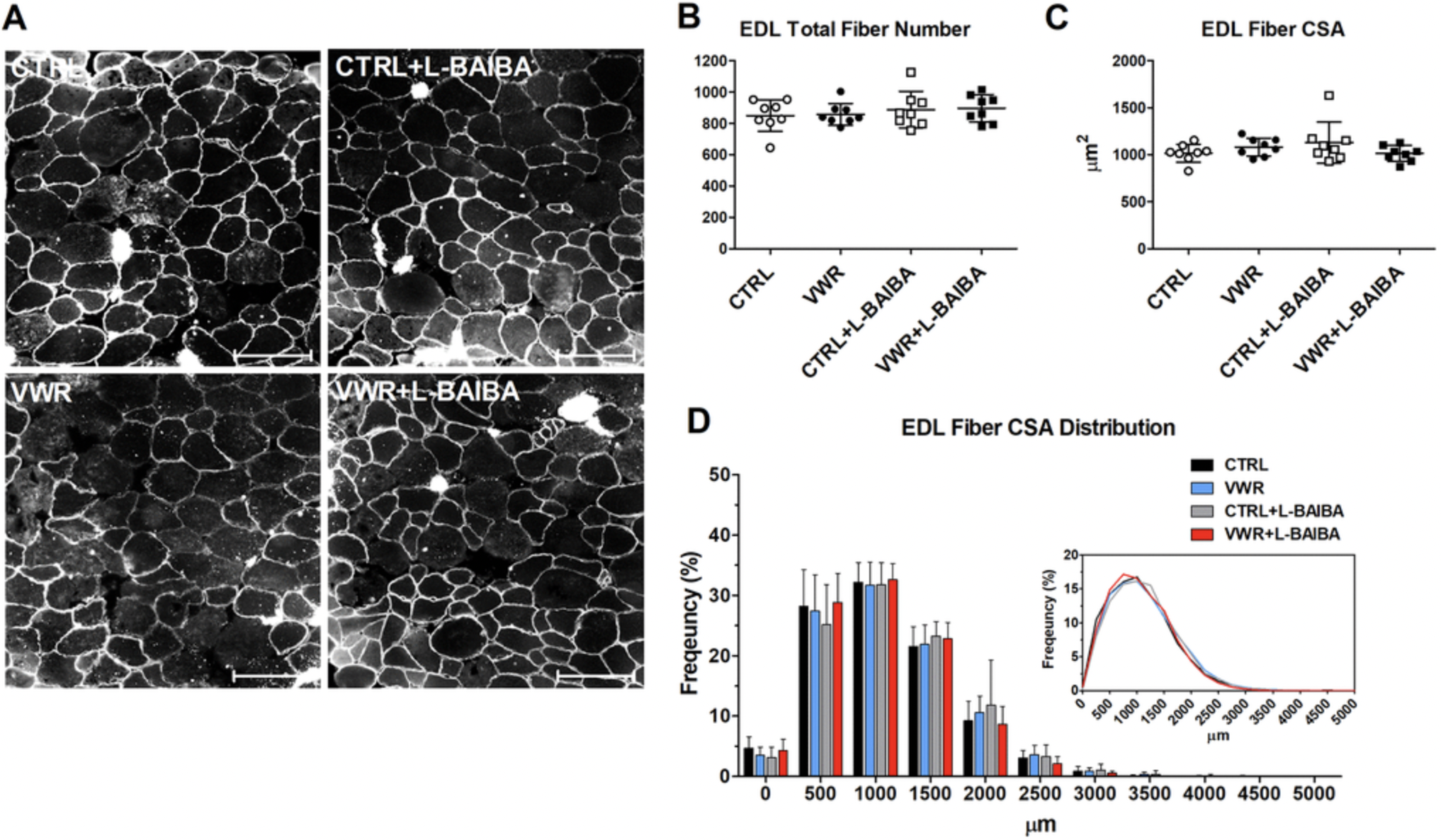
“These findings suggest a physiological interaction between exercise and L-BAIBA supplementation to improve soleus muscle and bone properties and reduce bone marrow adiposity.” BUFFALO, NY