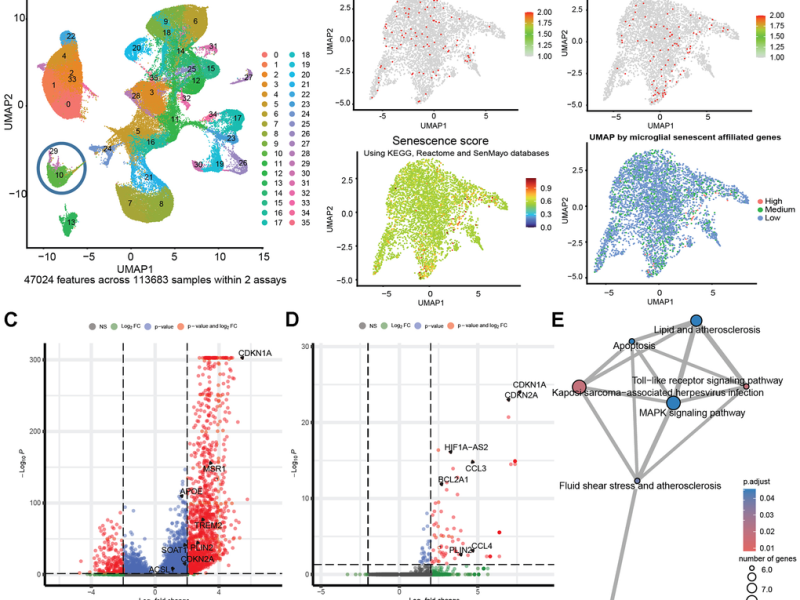
A new research paper was published in Volume 18 of Aging on July 1, 2026, titled “Senescent cells accumulate lipid droplets.”
Aging Journal
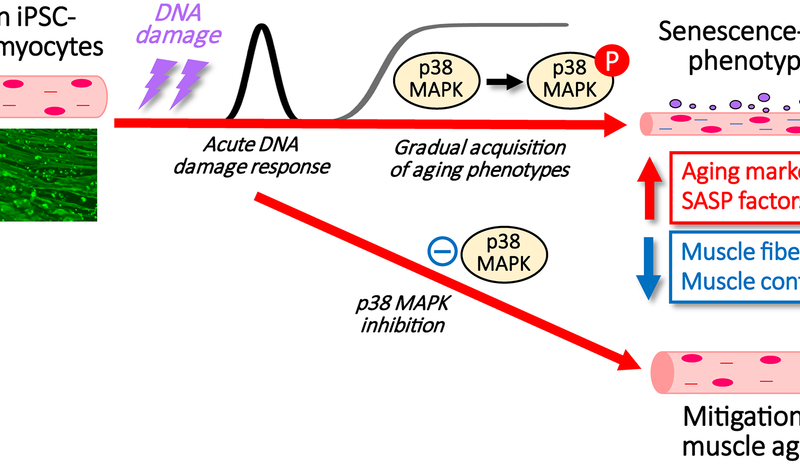
A new research paper was published in Volume 18 of Aging on May 28, 2026, titled “p38MAP kinase regulates senescence in human iPS-derived myocytes.”
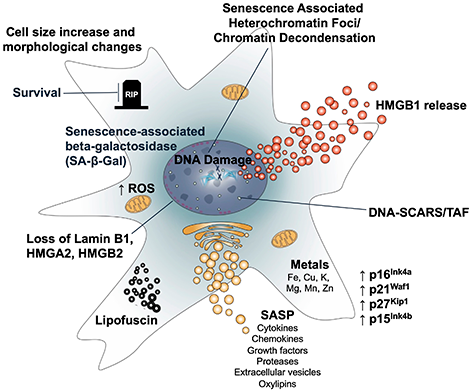
A new review was published in Volume 18 of Aging on May 15, 2026, titled “Blue period – features of senescence 30 years after beta-galactosidase.”
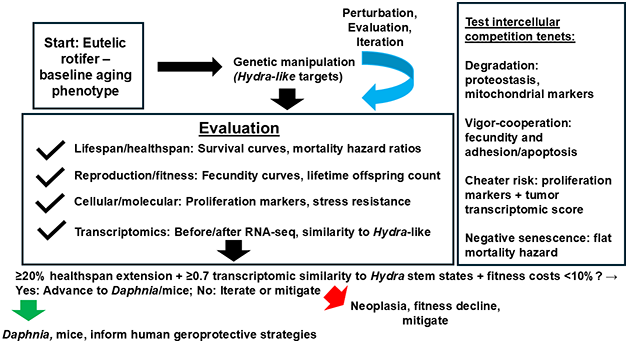
A new hypothesis paper was published in Volume 18 of Aging-US on April 8, 2026, titled “From Hydra to rotifer and beyond: implications for human aging and delayed senescence.”
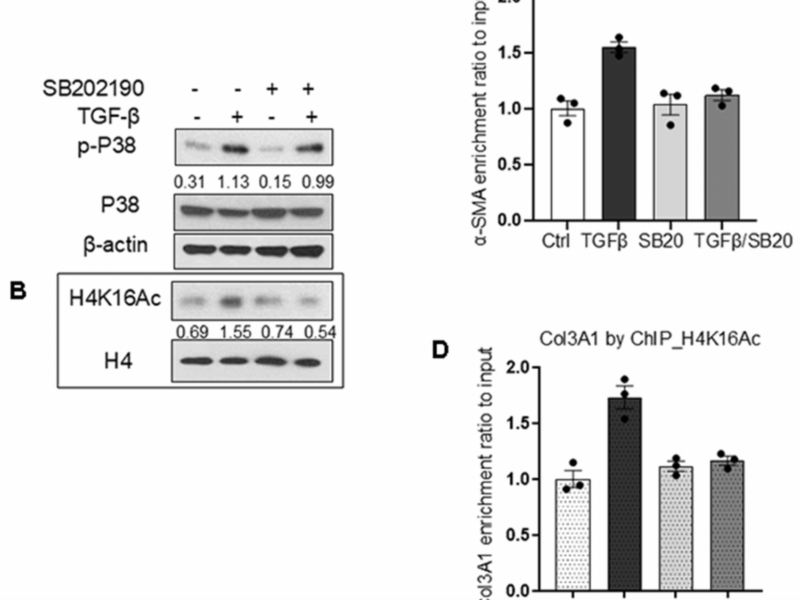
A new research paper was published in Volume 18 of Aging-US on March 3, 2026, titled “P38 MAPK is involved in epigenetic regulation of fibrotic genes in replication induced senescence in lung fibroblasts.”

A new meeting report was published in Volume 17, Issue 12 of Aging-US on December 23, 2025, titled “Cellular senescence meets infection: highlights from the 10th annual International Cell Senescence Association (ICSA) conference, Rome 2025.”
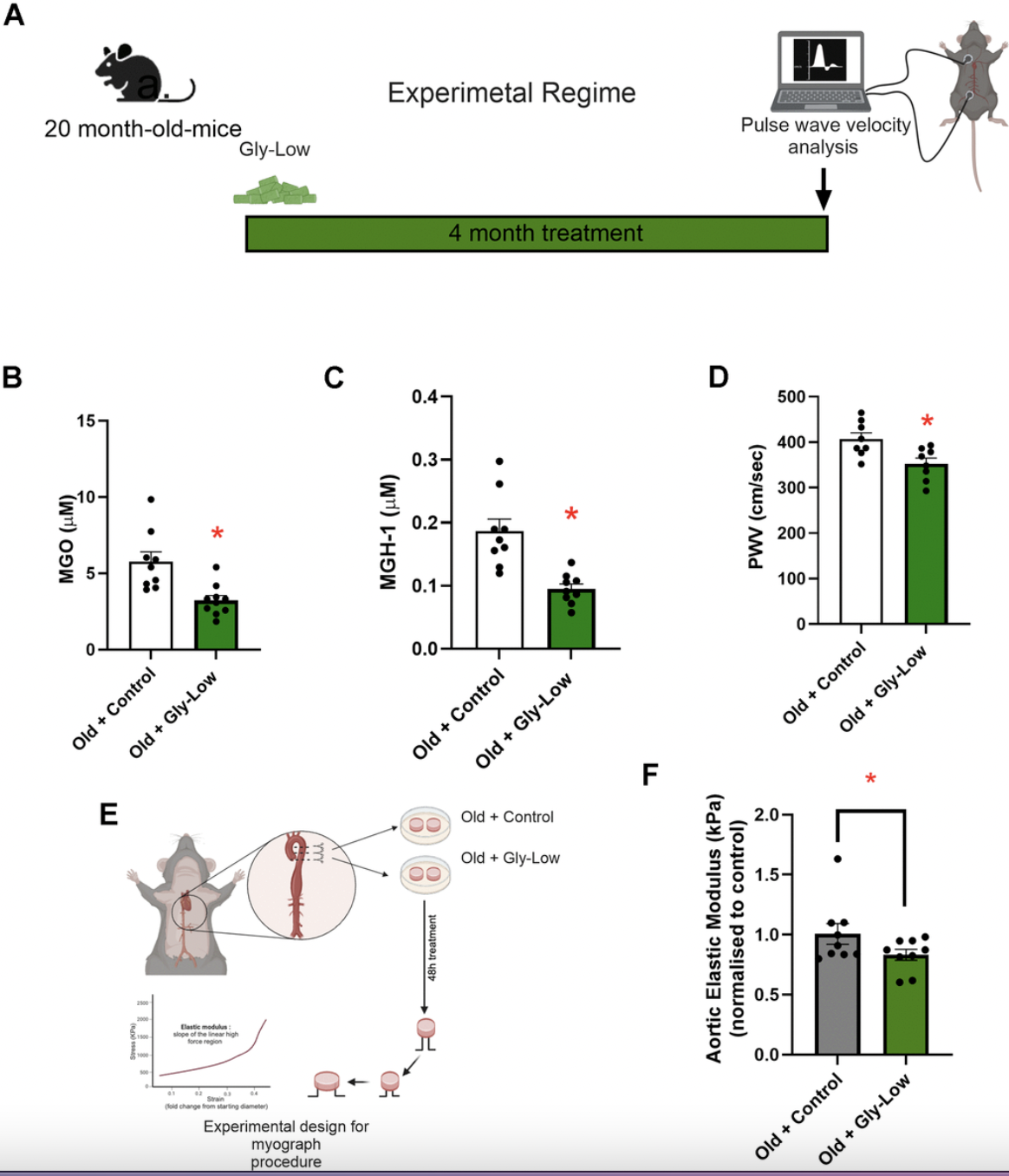
A new research paper was published in Volume 17, Issue 11 of Aging-US on November 14, 2025, titled “Methylglyoxal-induced glycation stress promotes aortic stiffening: putative mechanistic roles of oxidative stress and cellular senescence.”
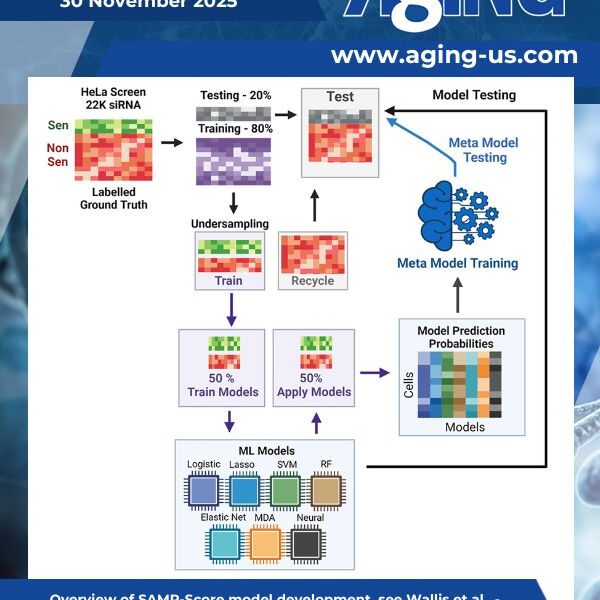
Senescence identification is rendered challenging due to a lack of universally available biomarkers. This represents a bottleneck in efforts to develop pro-senescence therapeutics – agents designed to induce the arrest of cellular proliferation associated with a senescence response in cancer cells for therapeutic gain.
A new editorial was published in Aging-US on October 13, 2025, titled “Longevity clinics: between promise and peril.”
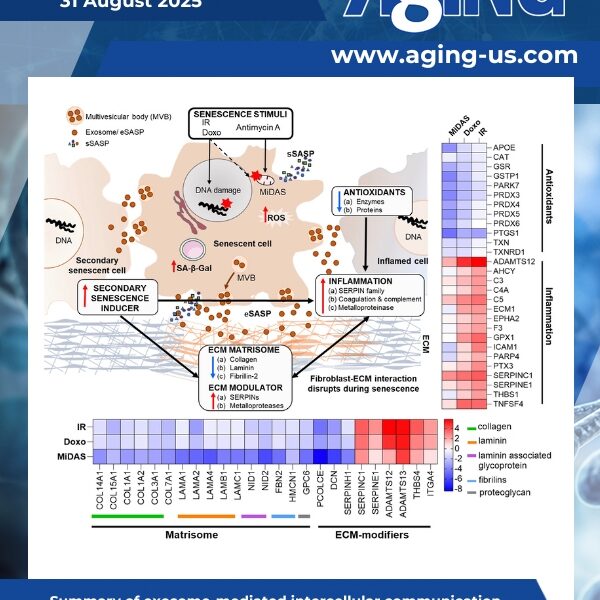
A new research paper featured on the cover of Volume 17, Issue 8 of Aging (Aging-US) was published on July 30, 2025, titled “Exosomes released from senescent cells and circulatory exosomes isolated from human plasma reveal aging-associated proteomic and lipid signatures.”