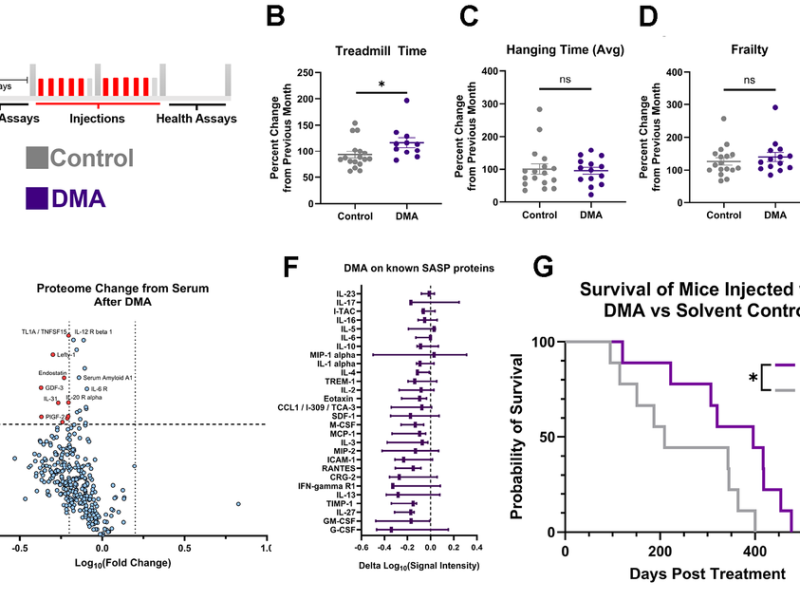
A new research paper was published in Volume 18 of Aging on July 17, 2026, titled “Selective targeting of cancer and senescence via shared metabolic shifts extends lifespan of old mice.”
Aging Journal
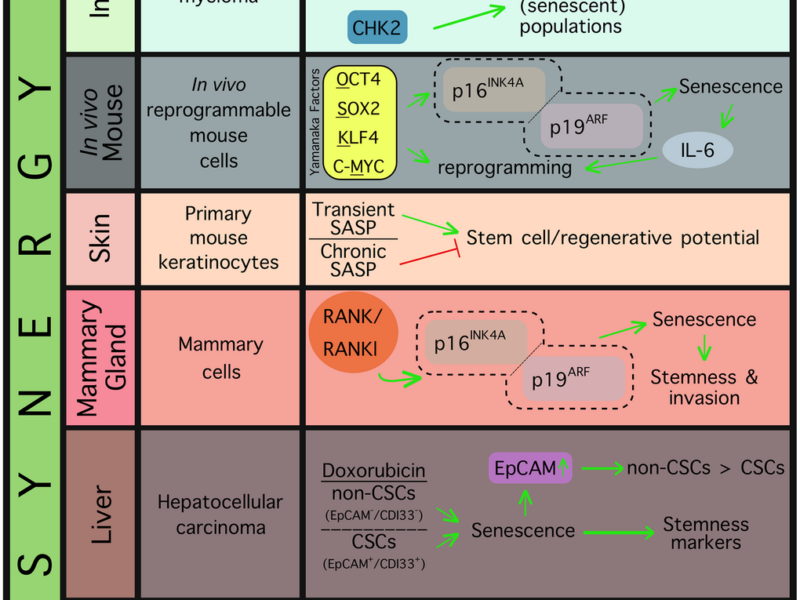
BUFFALO, NY — June 29, 2026 — A new review was published in Volume 18 of Aging on May 30, 2026, titled “The love and hate relationship between cellular senescence and stemness.”
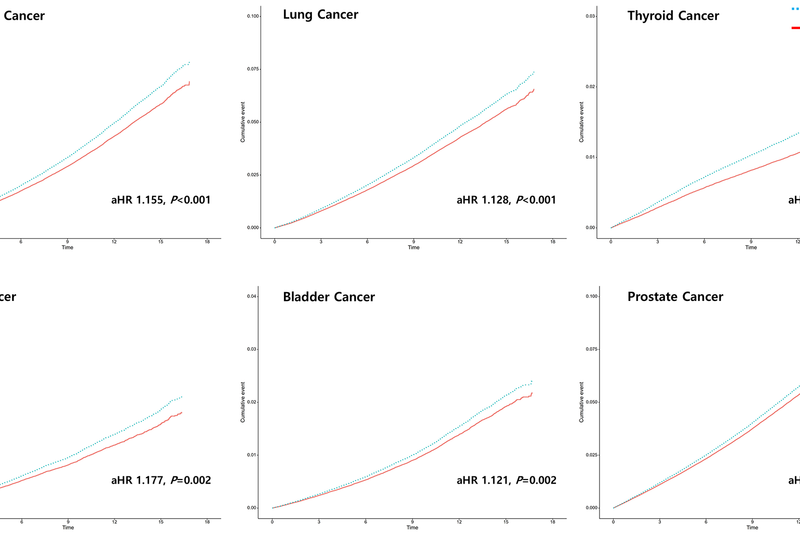
A new research paper was published in Volume 18 of Aging on May 22, 2026, titled “Systemic cancer risk profile in neovascular age-related macular degeneration: insights into shared aging-related mechanisms from a nationwide population-based study.”
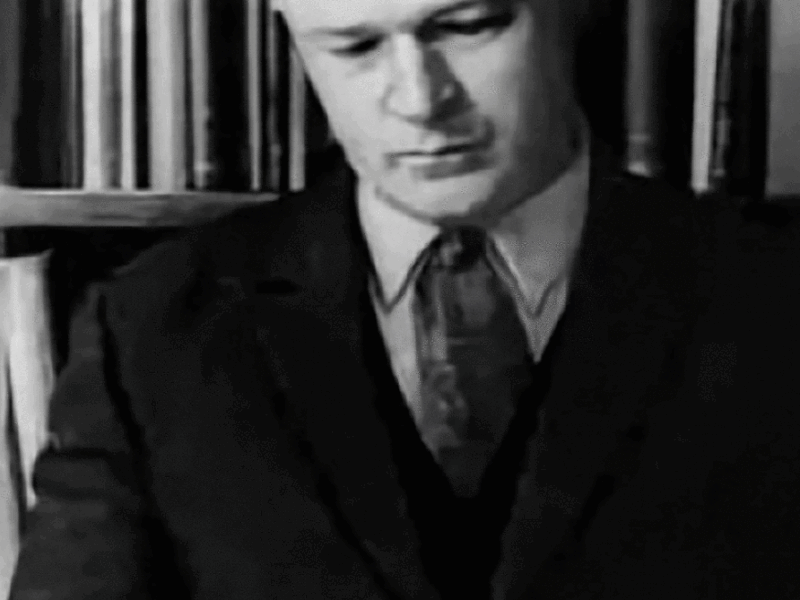
A new essay was published in Volume 17, Issue 11 of Aging-US on November 19, 2025, titled “On the intergenerational transfer of ideas in aging and cancer research: from the hypothalamus according to V.M. Dilman to the mTOR protein complex according to M.V. Blagosklonny.”
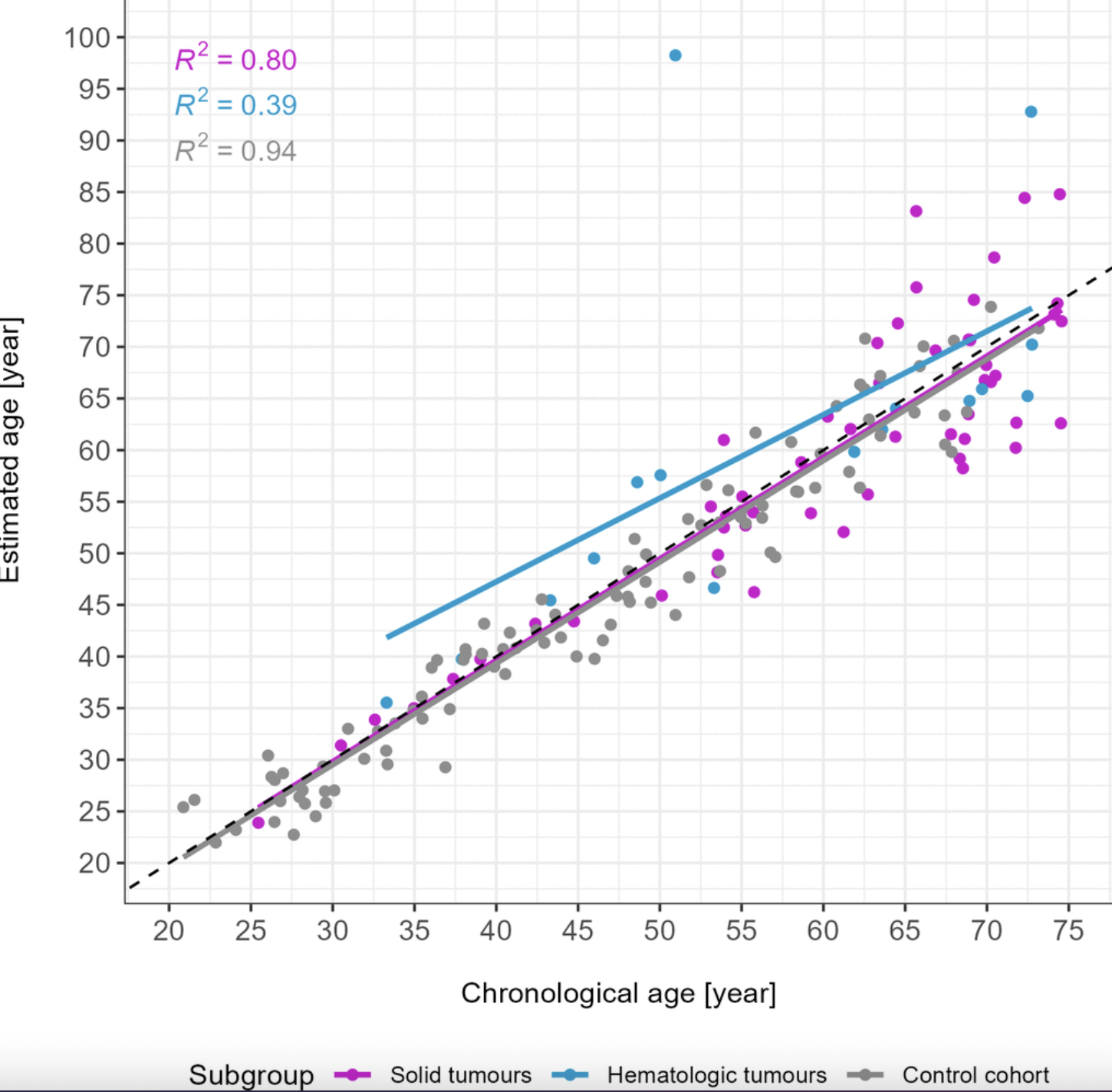
A new research paper was published in Volume 17, Issue 7 of Aging (Aging-US) on July 17, 2025, titled “The influence of cancer on a forensic age estimation tool.”
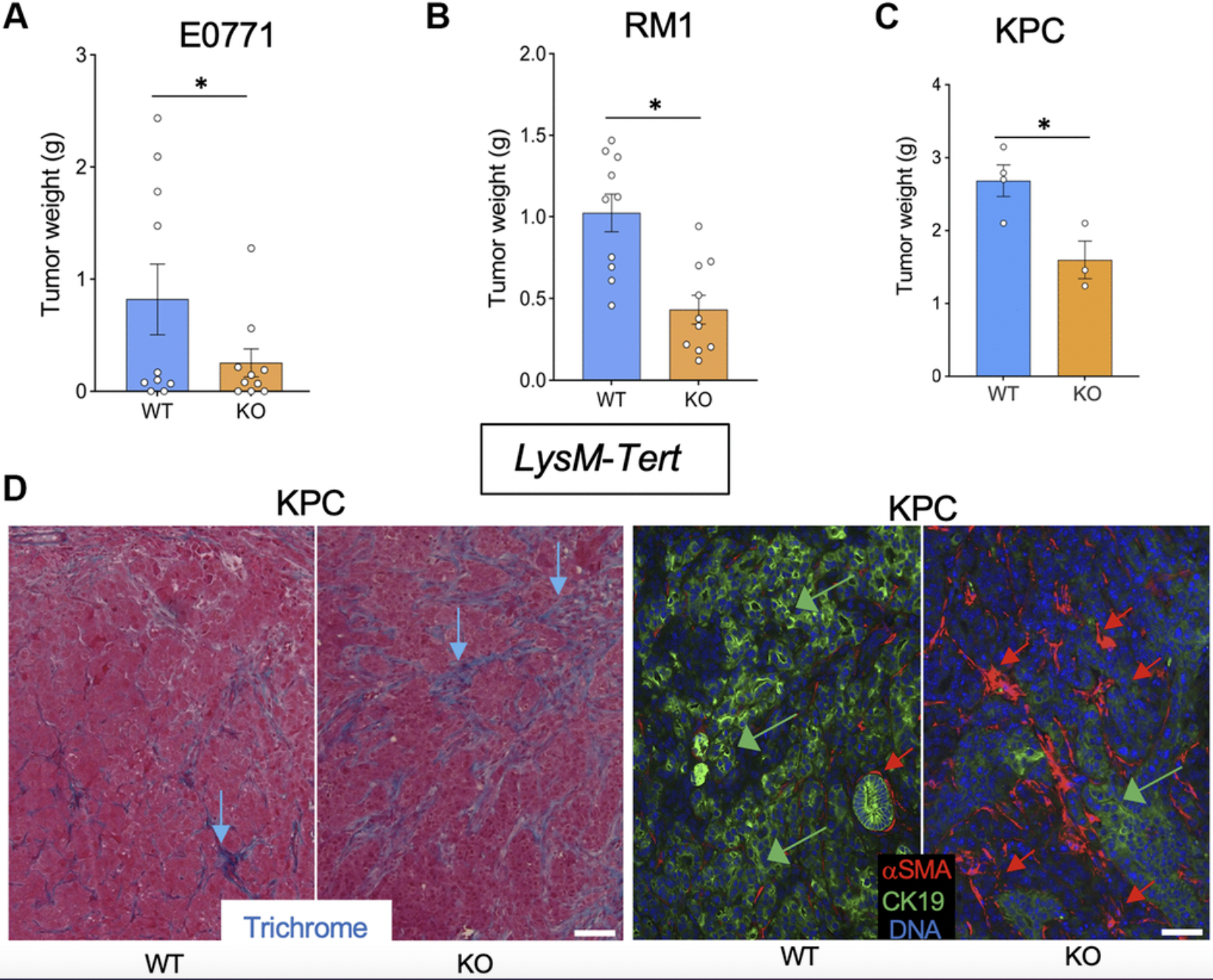
A new research paper was published in Aging (Aging-US) Volume 17, Issue 6, on June 5, 2025, titled “Senescence caused by telomerase inactivation in myeloid, mesenchymal, and endothelial cells has distinct effects on cancer progression.”
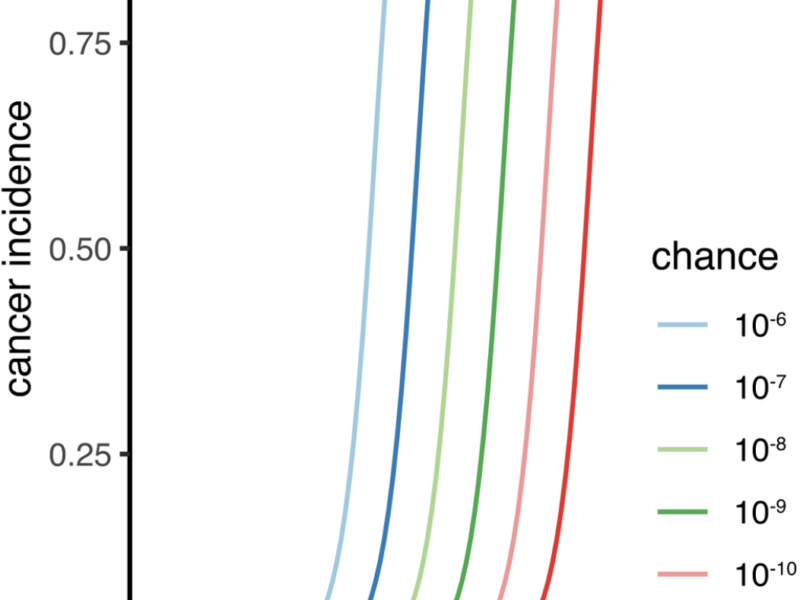
A new research perspective was published in Aging (Aging-US) Volume 17, Issue 6, on May 29, 2025, titled “Peto’s paradox’s relevance is off the scale.”
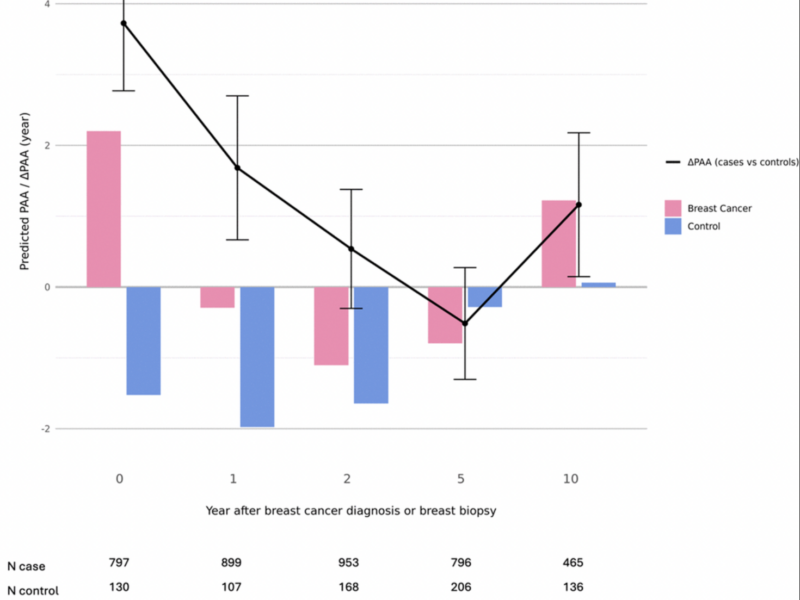
A new research paper was published by Aging (Aging-US) on March 7, 2025, titled “Accelerated aging associated with cancer characteristics and treatments among breast cancer survivors.”
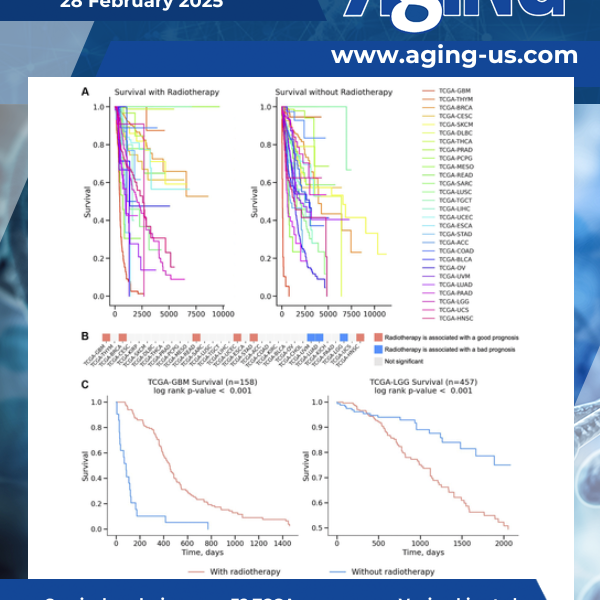
A new research paper was published in Aging (Aging-US) on February 27, 2025, as the cover of Volume 17, Issue 2, titled “Variability in radiotherapy outcomes across cancer types: a comparative study of glioblastoma multiforme and low-grade gliomas.”
Radiotherapy is a crucial treatment option for various cancers. However, the results of radiotherapy can vary widely across different cancer types and even among patients with the same type of cancer. This variability presents a major challenge in optimizing treatment strategies and improving patient survival.