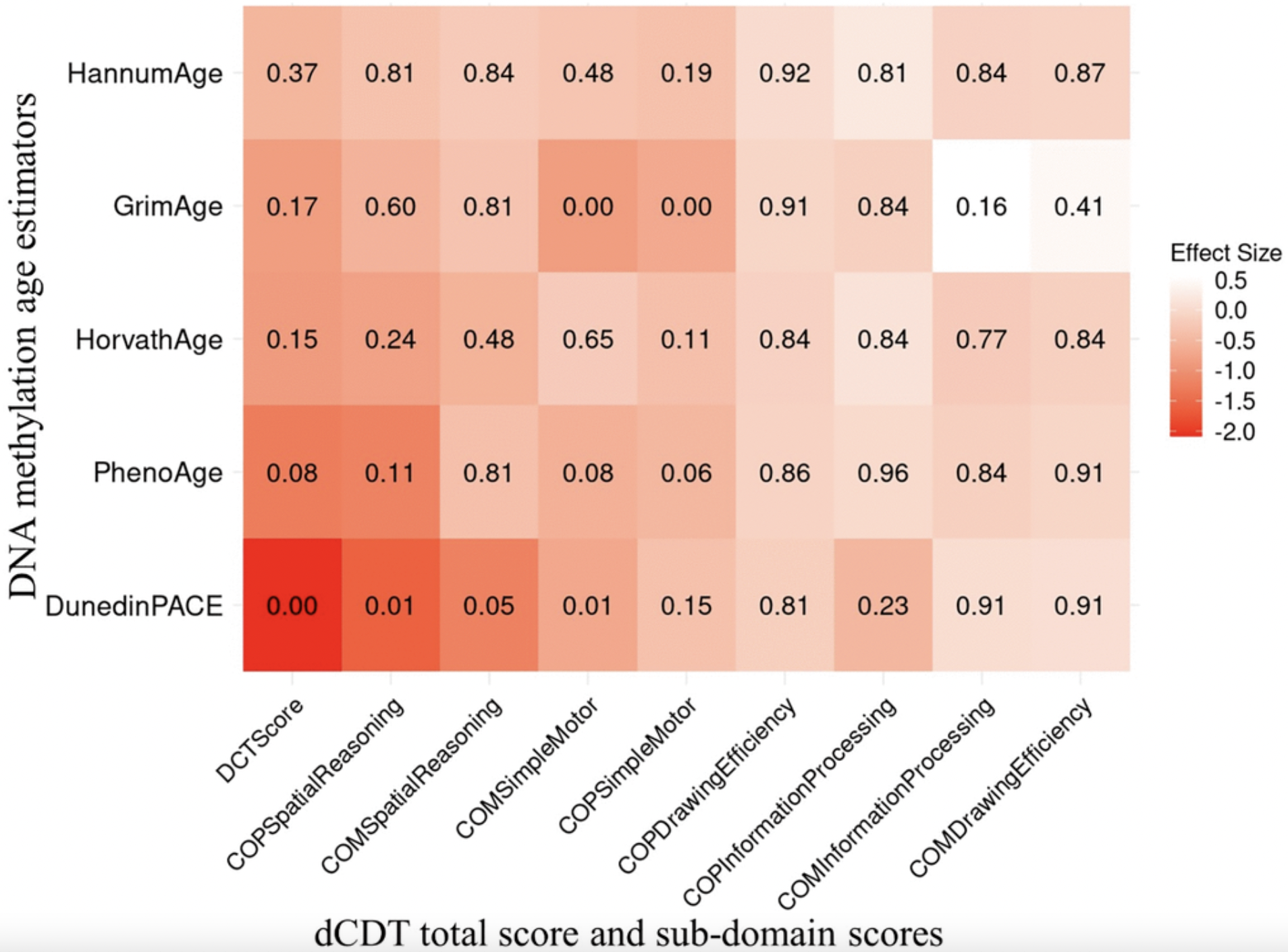
A new research paper was published in Volume 17, Issue 7 of Aging (Aging-US) on July 21, 2025, titled “Association of DNA methylation age acceleration with digital clock drawing test performance: the Framingham Heart Study.”
Aging Journal
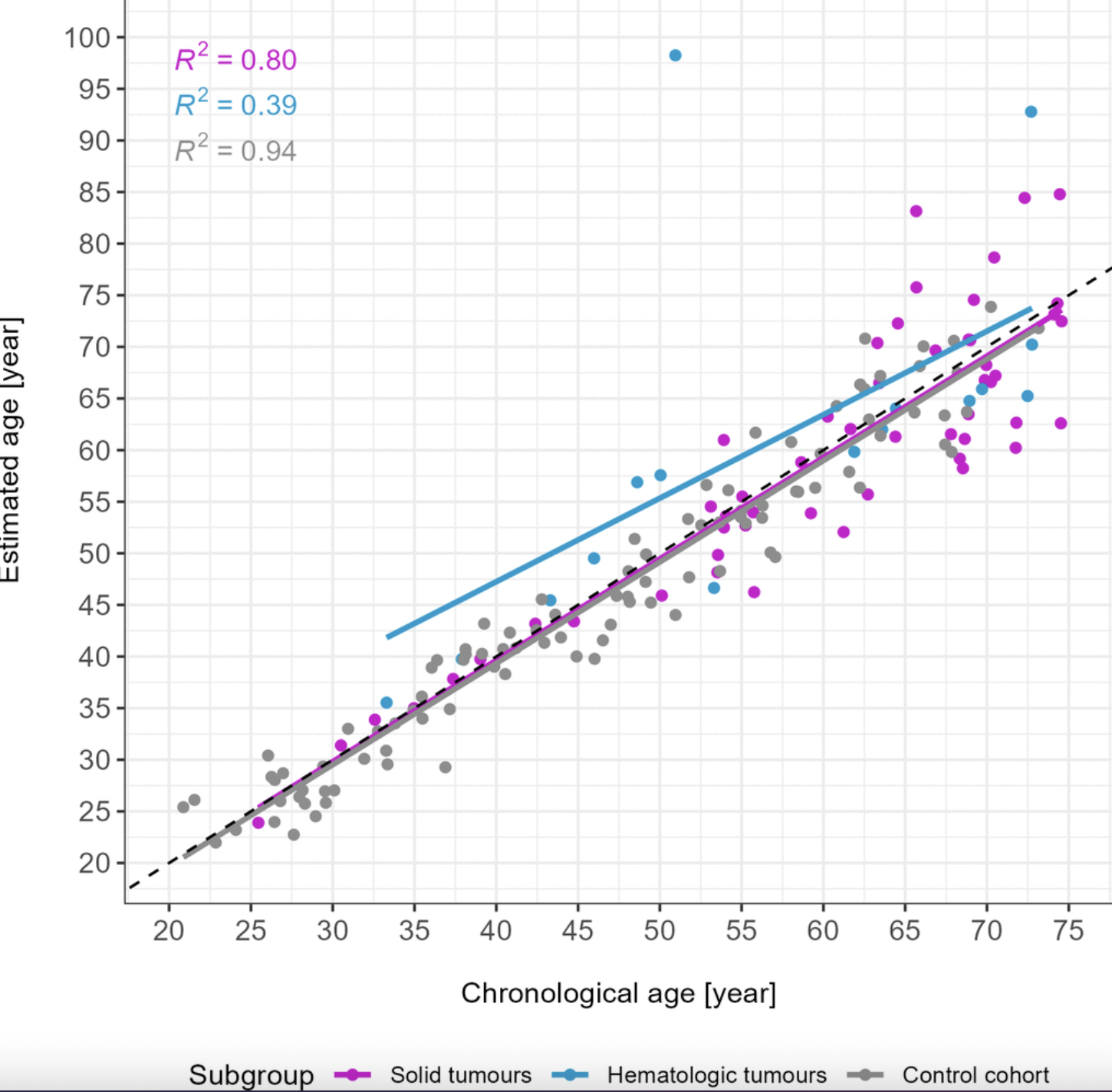
A new research paper was published in Volume 17, Issue 7 of Aging (Aging-US) on July 17, 2025, titled “The influence of cancer on a forensic age estimation tool.”
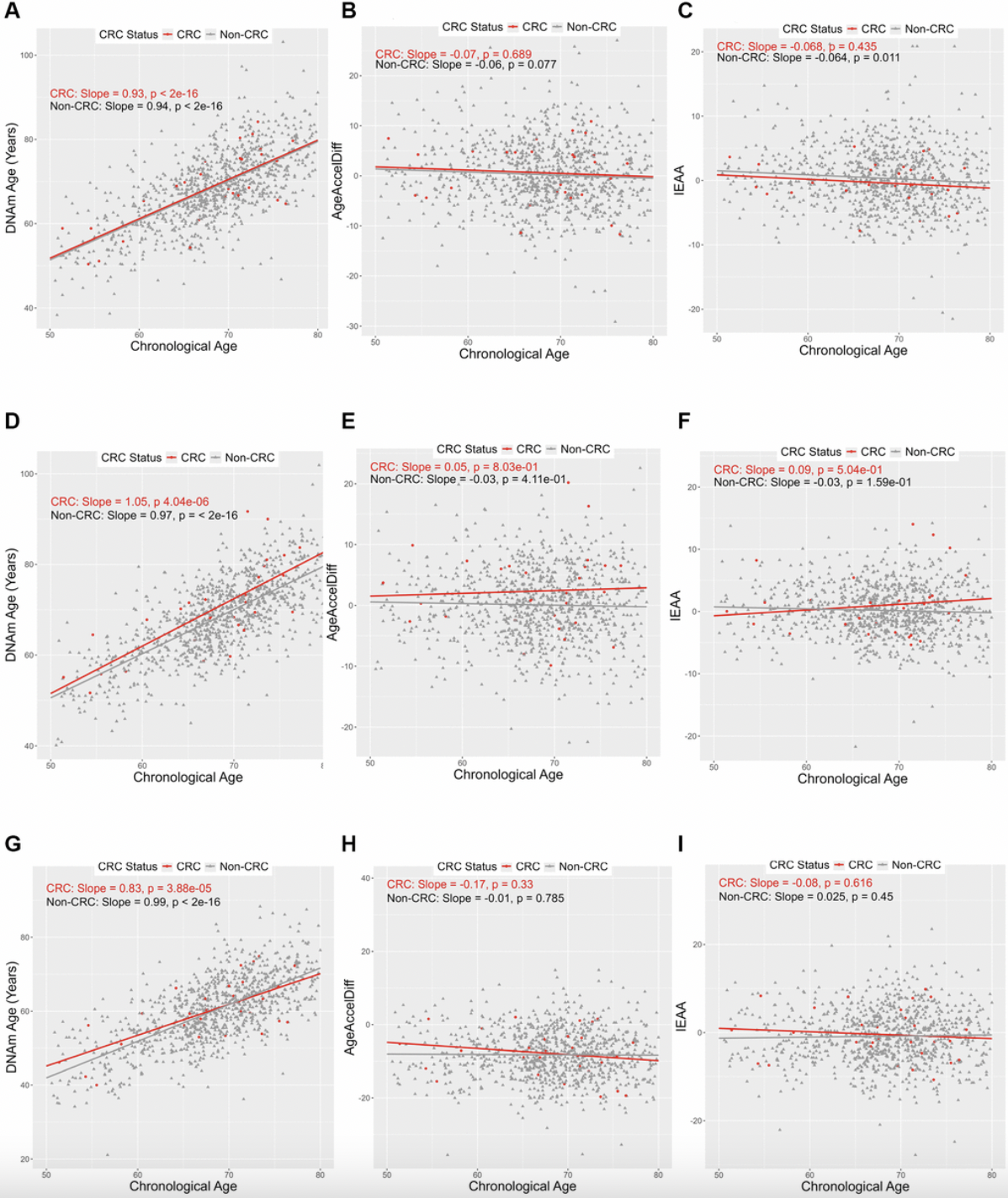
A new research paper was published in Volume 17, Issue 7 of Aging (Aging-US) on July 7, 2025, titled “Epigenetic age and accelerated aging phenotypes: a tumor biomarker for predicting colorectal cancer.”
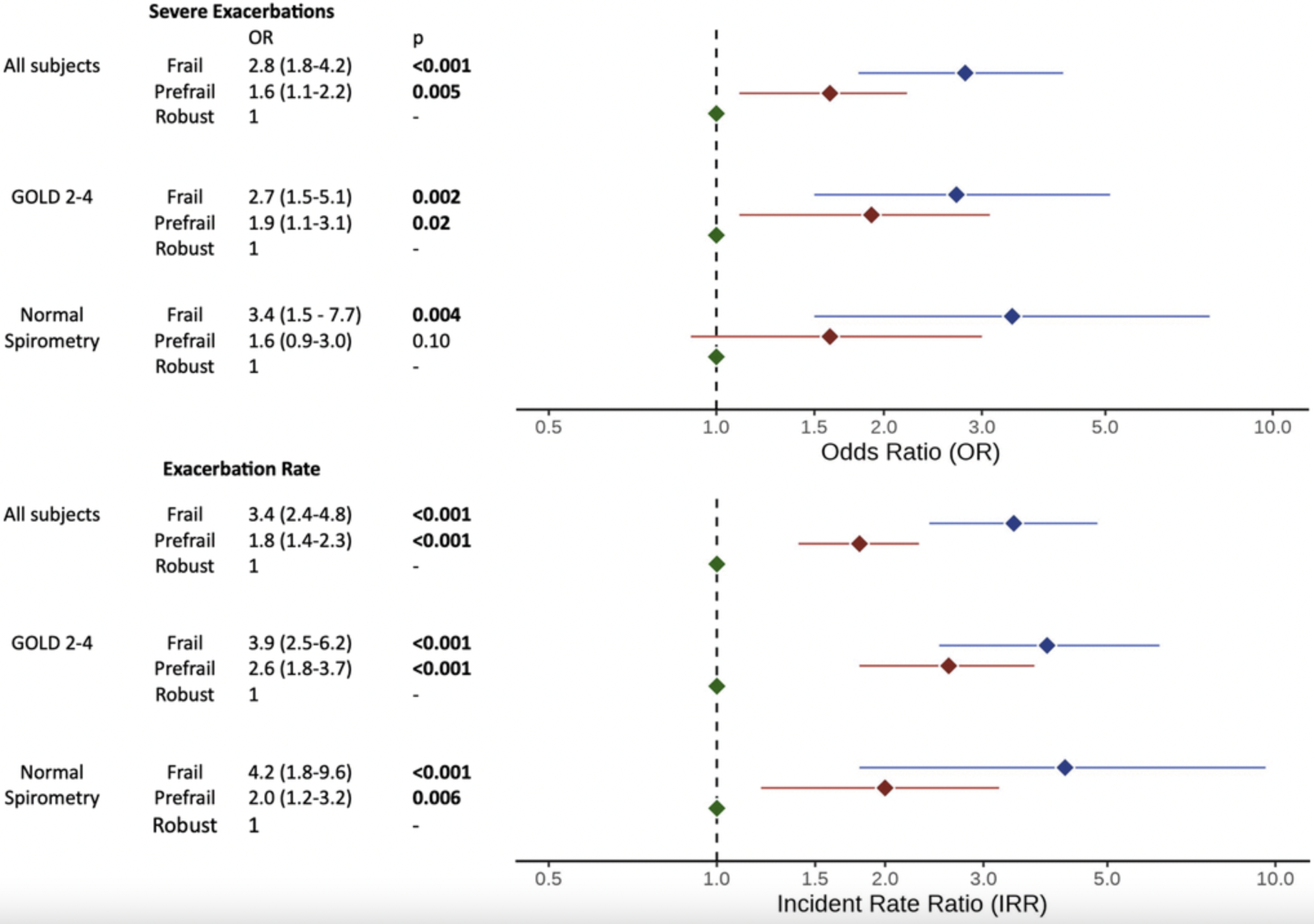
A new research paper was published in Volume 17, Issue 7 of Aging (Aging-US) on July 3, 2025, titled “Frailty associates with respiratory exacerbations and mortality in the COPDGene cohort.”
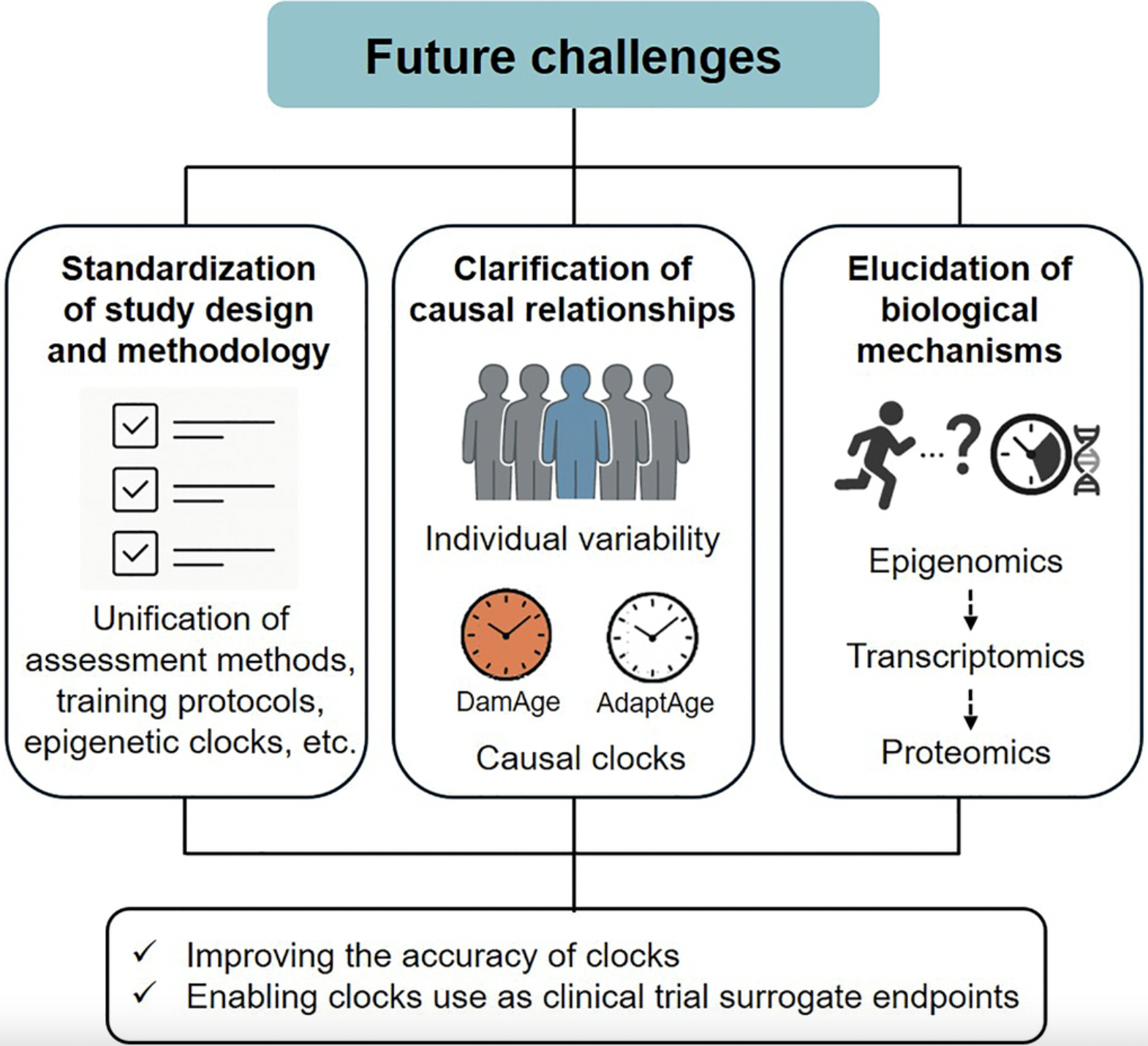
A new research perspective was published in Aging (Aging-US) on July 8, 2025, titled “Exercise as a geroprotector: focusing on epigenetic aging.”

Aging (Aging-US) is proud to support a milestone event for the global senescence and aging research community.
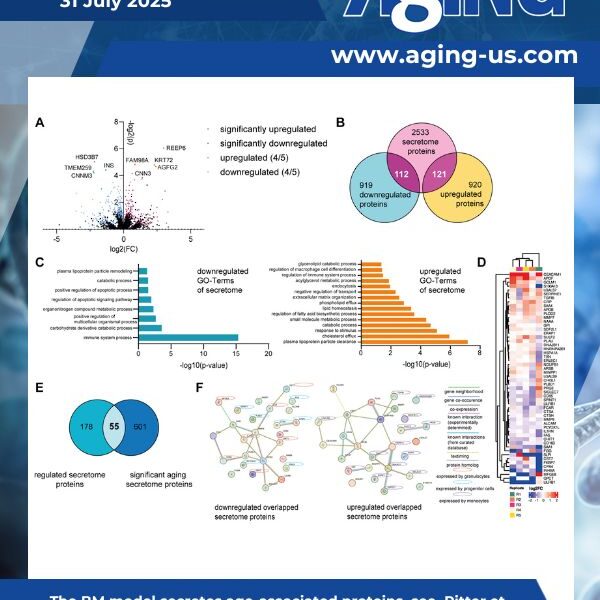
A new research paper featured on the cover of Volume 17, Issue 7 of Aging (Aging-US) was published on July 25, 2025, titled “Systemic factors in young human serum influence in vitro responses of human skin and bone marrow-derived blood cells in a microphysiological co-culture system.”
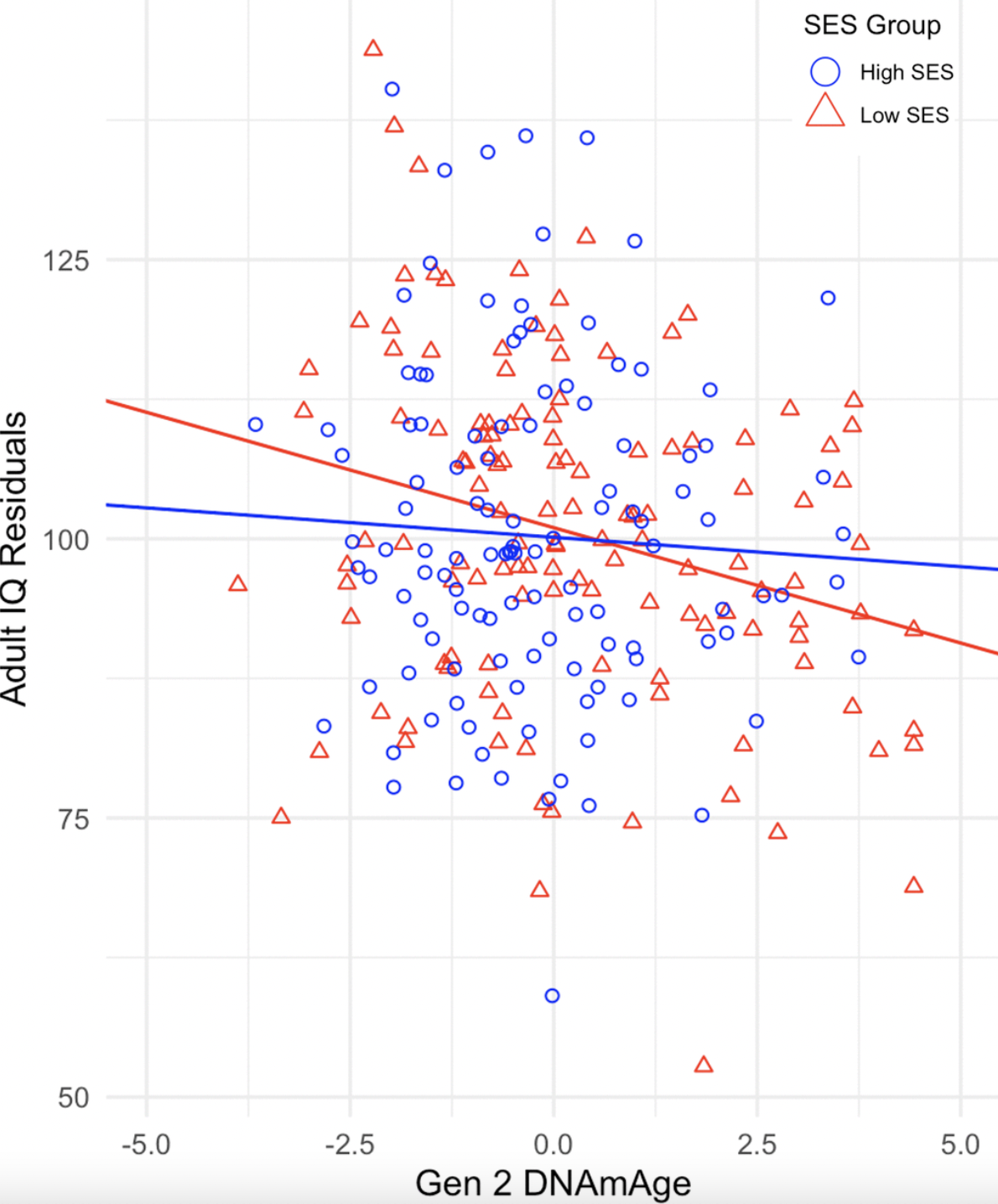
A new research paper was published in Aging (Aging-US) on July 23, 2025, titled “Second generation DNA methylation age predicts cognitive change in midlife: the moderating role of childhood socioeconomic status.”
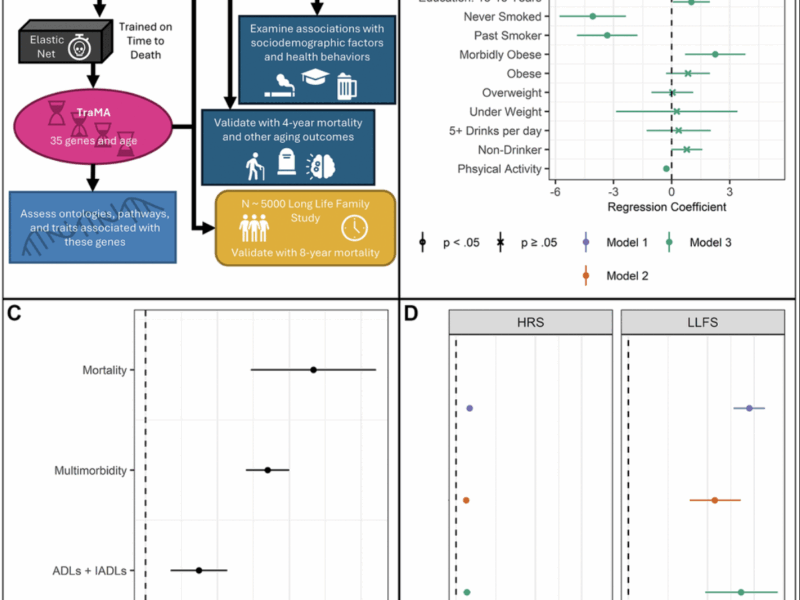
A new research paper was published in Aging (Aging-US) Volume 17, Issue 6, on June 13, 2025, titled “Development of a novel transcriptomic measure of aging: Transcriptomic Mortality-risk Age (TraMA).”
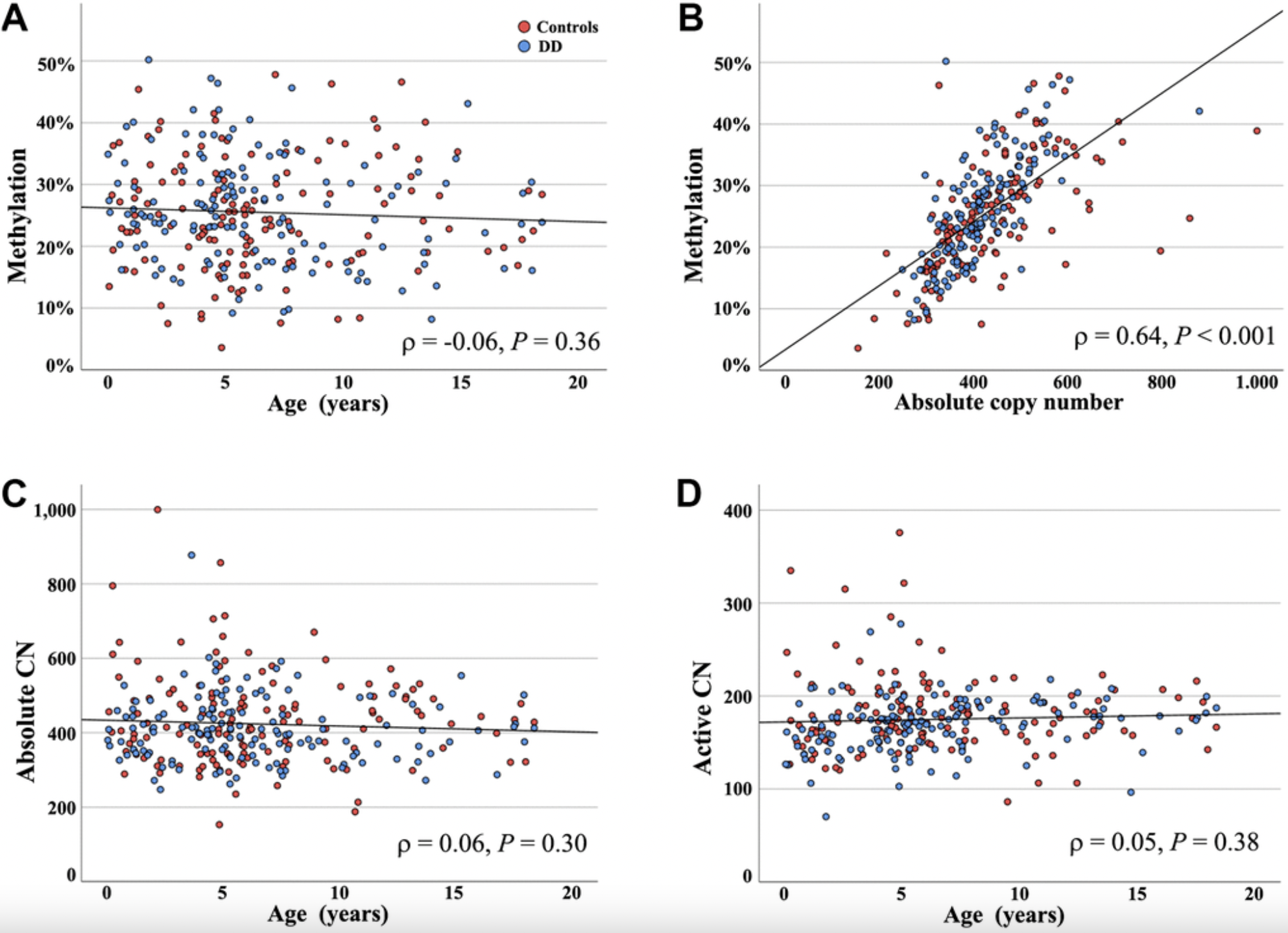
A new research paper was published in Aging (Aging-US) Volume 17, Issue 6, on June 16, 2025, titled “rDNA copy number variation and methylation from birth to sexual maturity.”