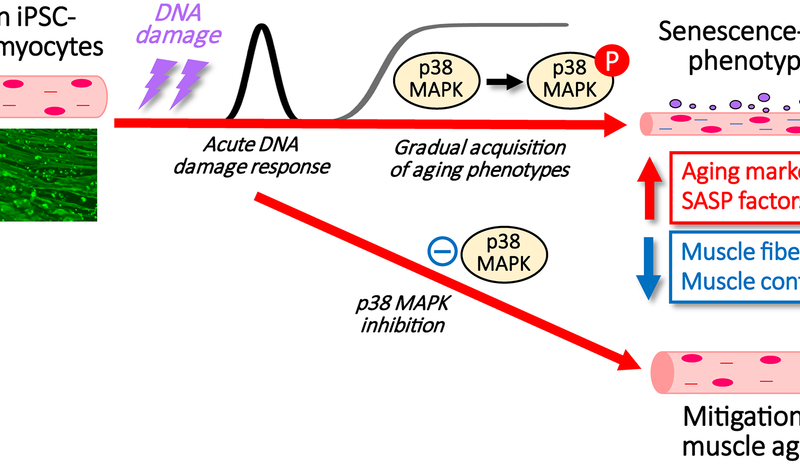
A new research paper was published in Volume 18 of Aging on May 28, 2026, titled “p38MAP kinase regulates senescence in human iPS-derived myocytes.”
Aging Journal

A new research paper was published in Volume 18 of Aging on May 26, 2026, titled “Early-life determinants of cardiometabolic outcomes and accelerated biological ageing in Colombia.”
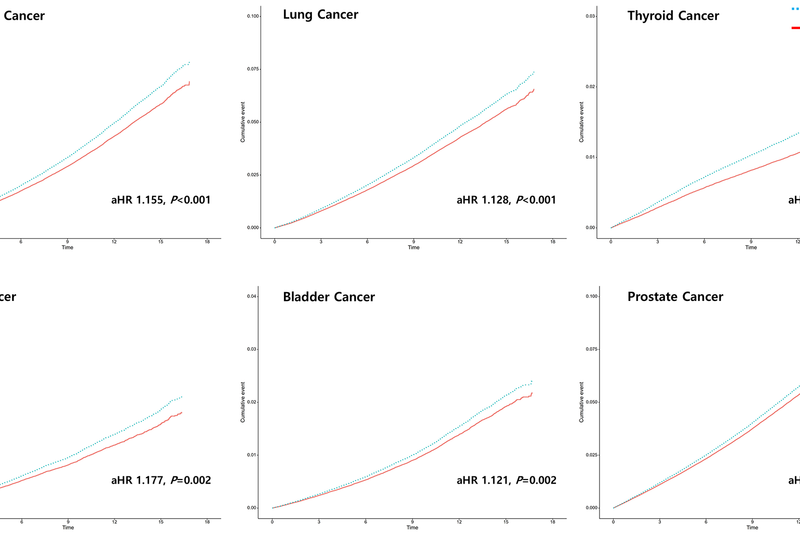
A new research paper was published in Volume 18 of Aging on May 22, 2026, titled “Systemic cancer risk profile in neovascular age-related macular degeneration: insights into shared aging-related mechanisms from a nationwide population-based study.”
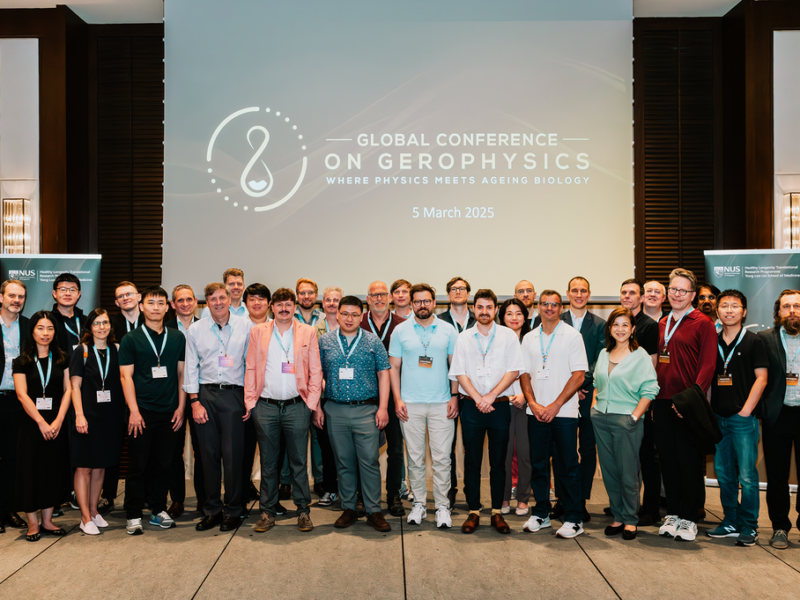
A new meeting report was published in Volume 18 of Aging on May 14, 2026, titled “Foundations of Gerophysics.”
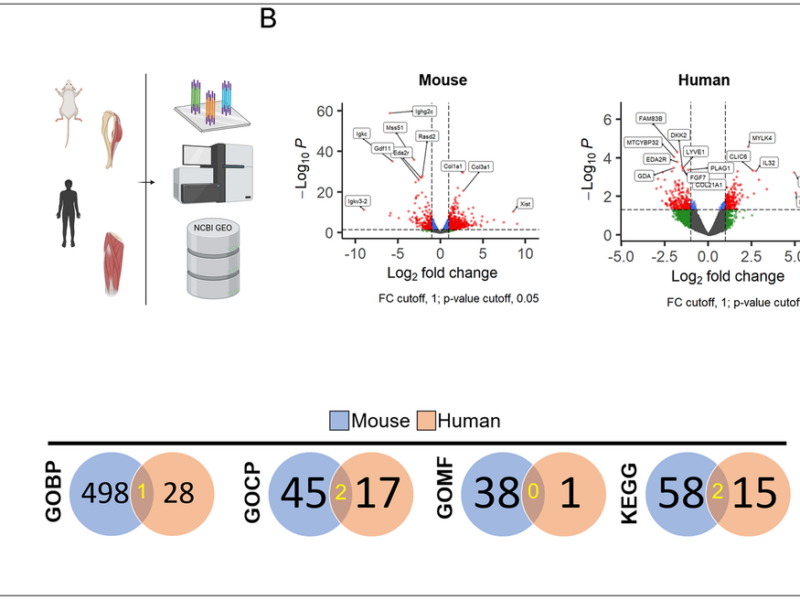
A new research paper was published in Volume 18 of Aging on May 18, 2026, titled “Transcriptional programs diverge in aging mouse and human skeletal muscle.”
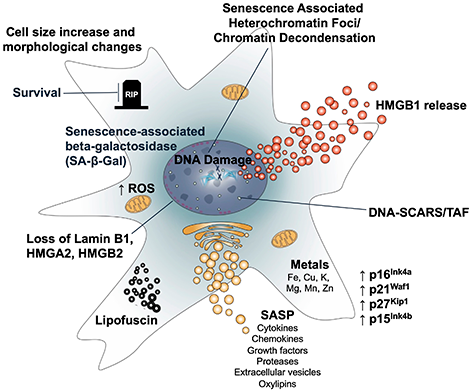
A new review was published in Volume 18 of Aging on May 15, 2026, titled “Blue period – features of senescence 30 years after beta-galactosidase.”
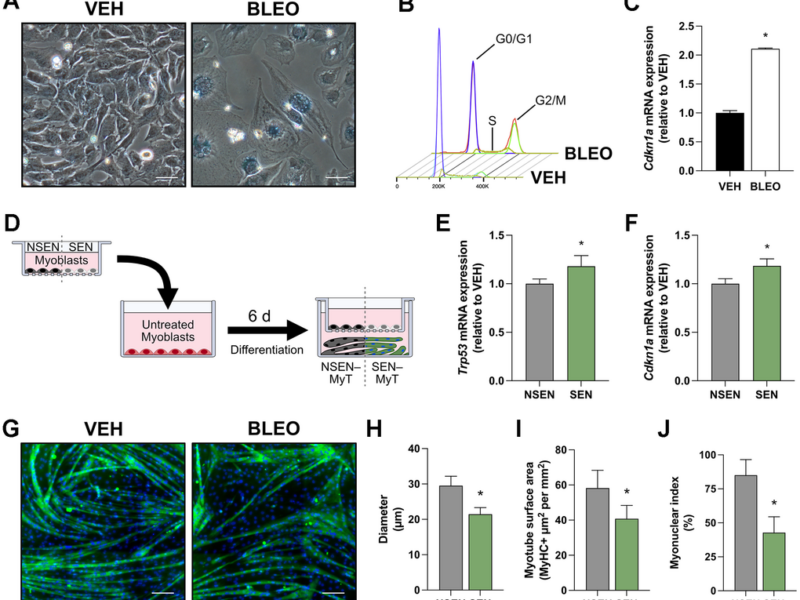
A new research paper was published in Volume 18 of Aging-US on May 15, 2026, titled “Extracellular vesicles released by senescent myoblasts affect recipient cells via miRNA-target interactions.”
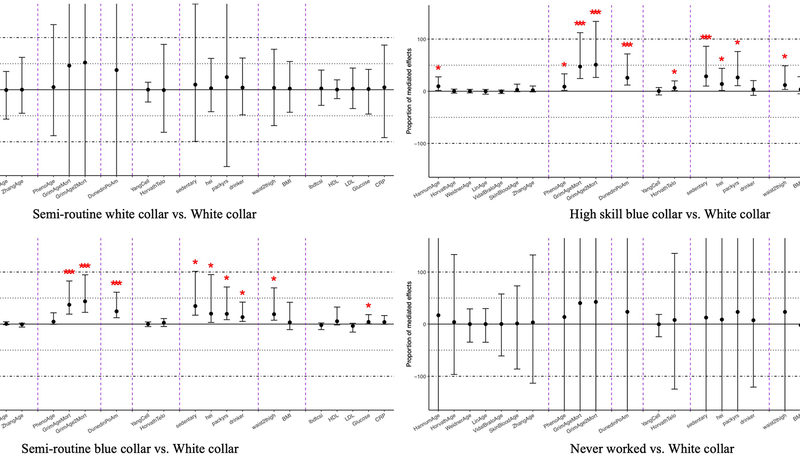
A new research paper was published in Volume 18 of Aging-US on May 8, 2026, titled “The mediating role of DNA methylation clocks in associations of race, ethnicity, education, income, and occupation with mortality: findings from NHANES 1999-2002.”
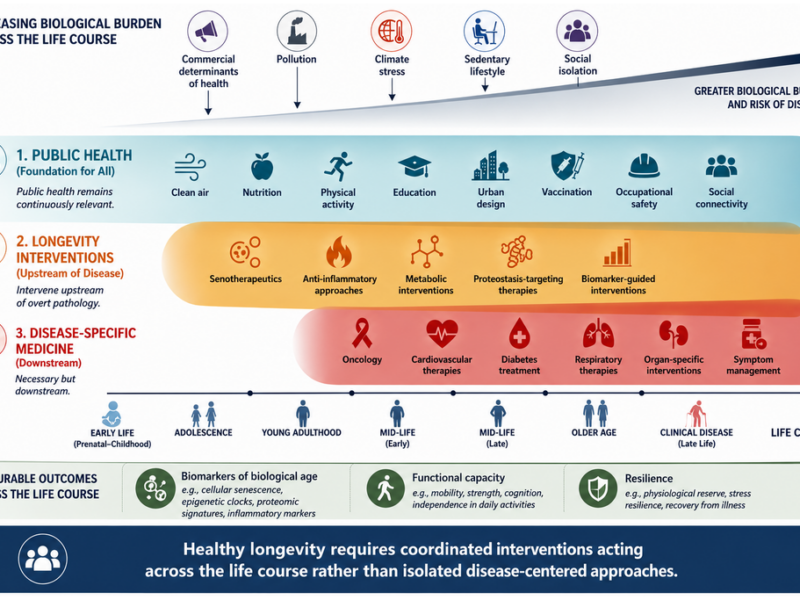
A new editorial was published in Volume 18 of Aging-US on May 18, 2026, titled “Public health in the age of longevity interventions: from prevention to system-wide resilience.”
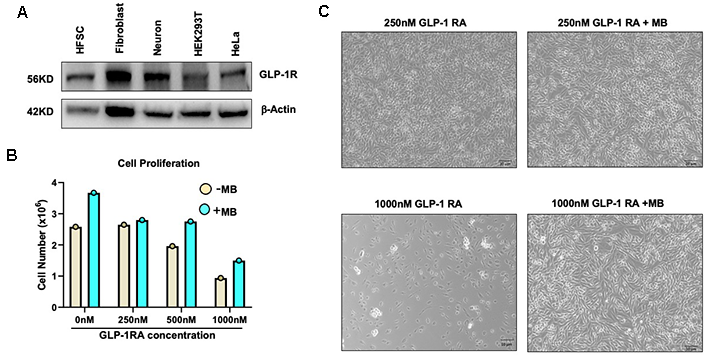
A new research paper was published in Volume 18 of Aging-US on May 5, 2026, titled “Methylene blue protects hair follicle stem cells from oxidative and metabolic stress to enhance hair regeneration.”