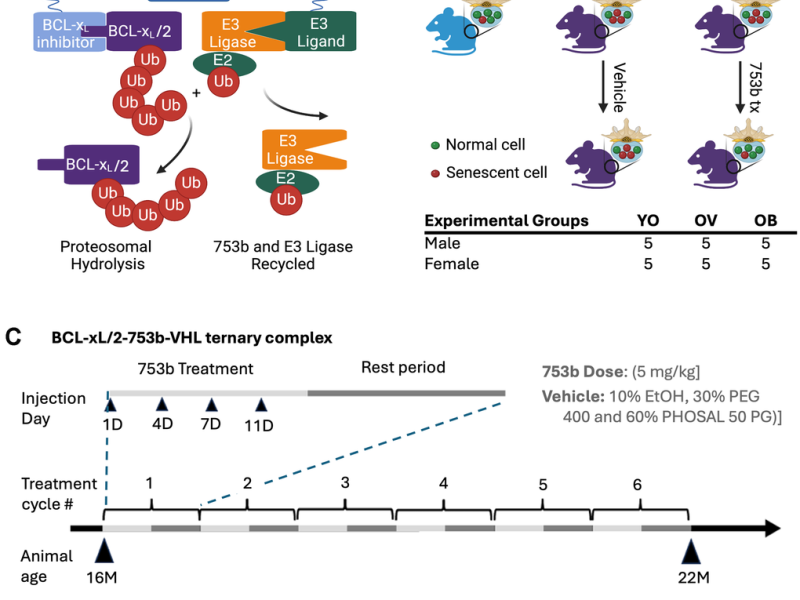
A new research paper was published in Volume 18 of Aging on July 13, 2026, titled “Slowing intervertebral disc aging in mice through long-term systemic treatment with the senolytic BCL-2/BCL-xL proteolysis targeting chimera (PROTAC) 753b.”
Aging Journal
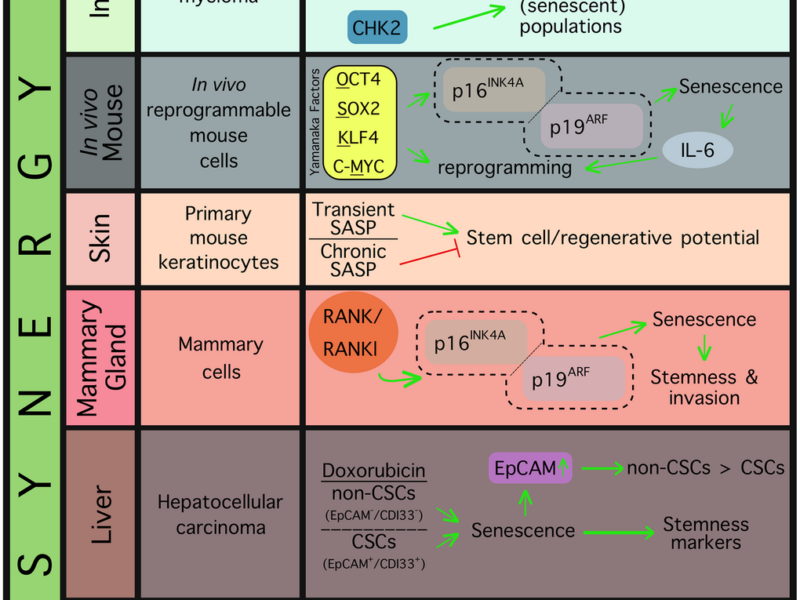
BUFFALO, NY — June 29, 2026 — A new review was published in Volume 18 of Aging on May 30, 2026, titled “The love and hate relationship between cellular senescence and stemness.”
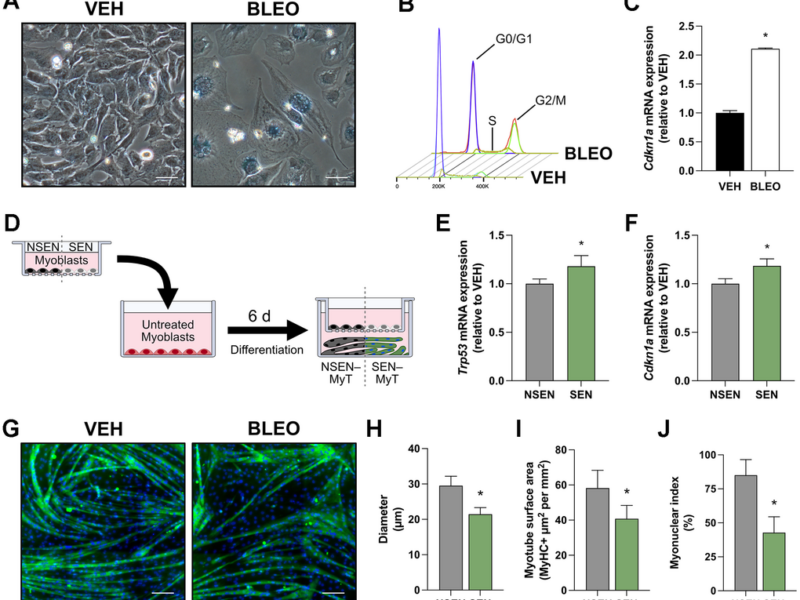
A new research paper was published in Volume 18 of Aging-US on May 15, 2026, titled “Extracellular vesicles released by senescent myoblasts affect recipient cells via miRNA-target interactions.”
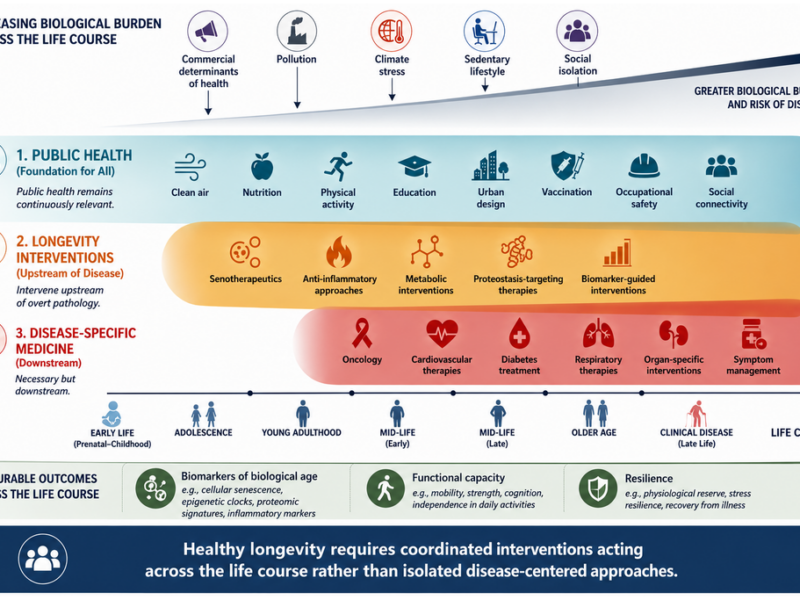
A new editorial was published in Volume 18 of Aging-US on May 18, 2026, titled “Public health in the age of longevity interventions: from prevention to system-wide resilience.”
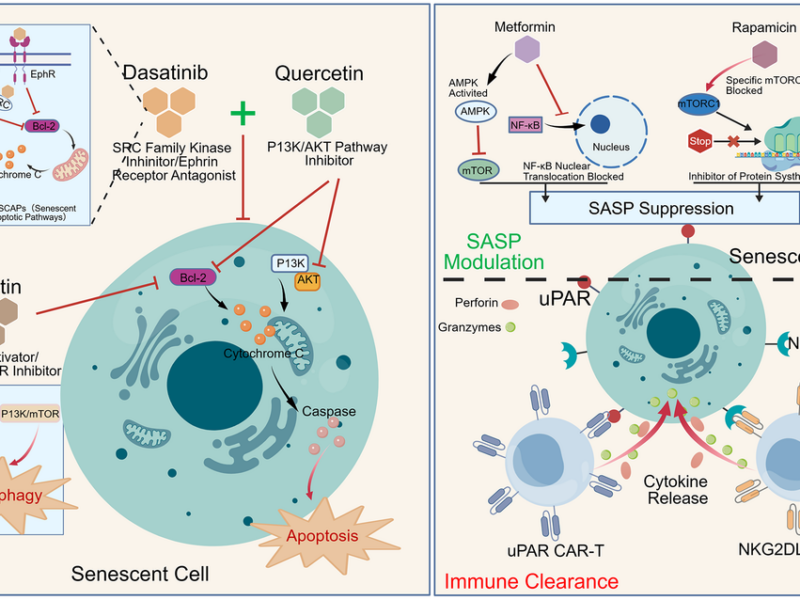
A new review was published in Volume 18 of Aging-US on May 4, 2026, titled “Cellular senescence: from pathogenic mechanisms to precision anti-aging interventions.”
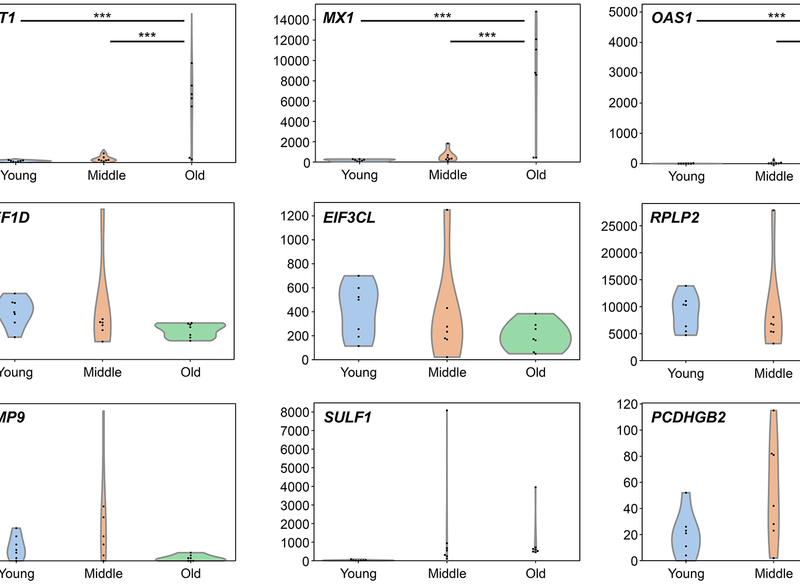
A new research paper was published in Volume 18 of Aging-US on April 10, 2026, titled “Stage-dependent transcriptomic changes in human dermal fibroblast senescence model.”
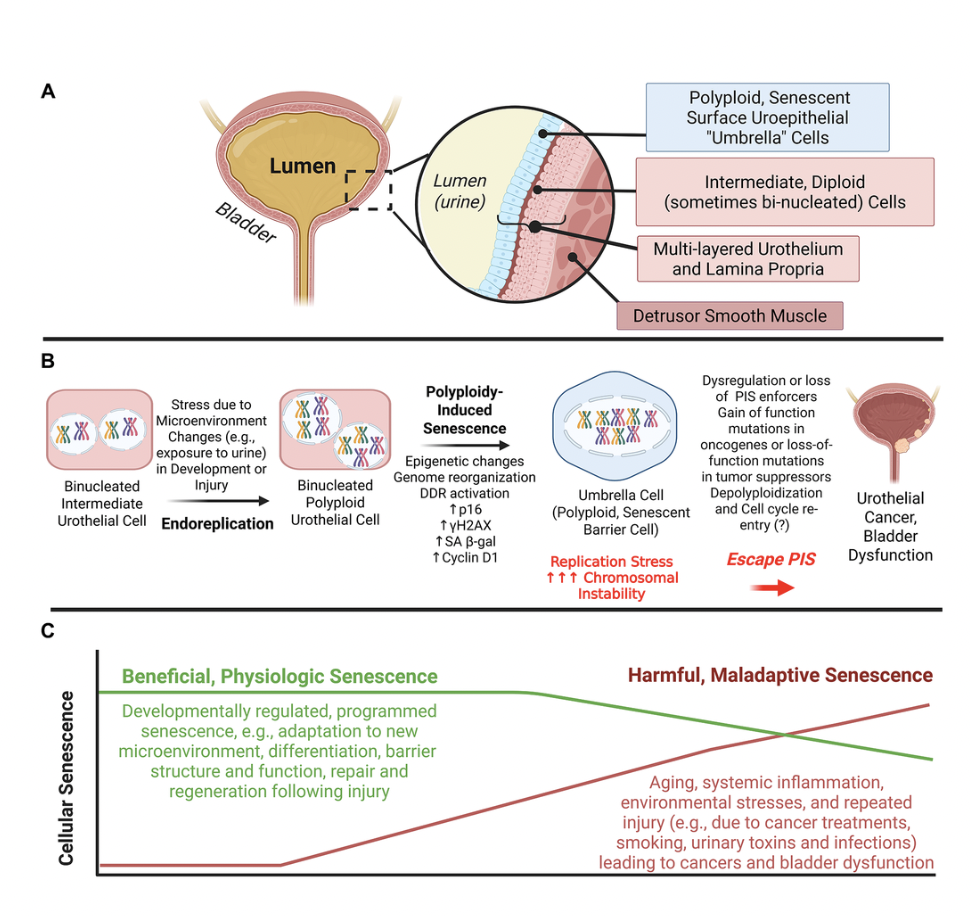
A new editorial was published in Volume 18 of Aging-US on February 8, 2026, titled “Polyploidy-induced senescence: Linking development, differentiation, repair, and (possibly) cancer?”
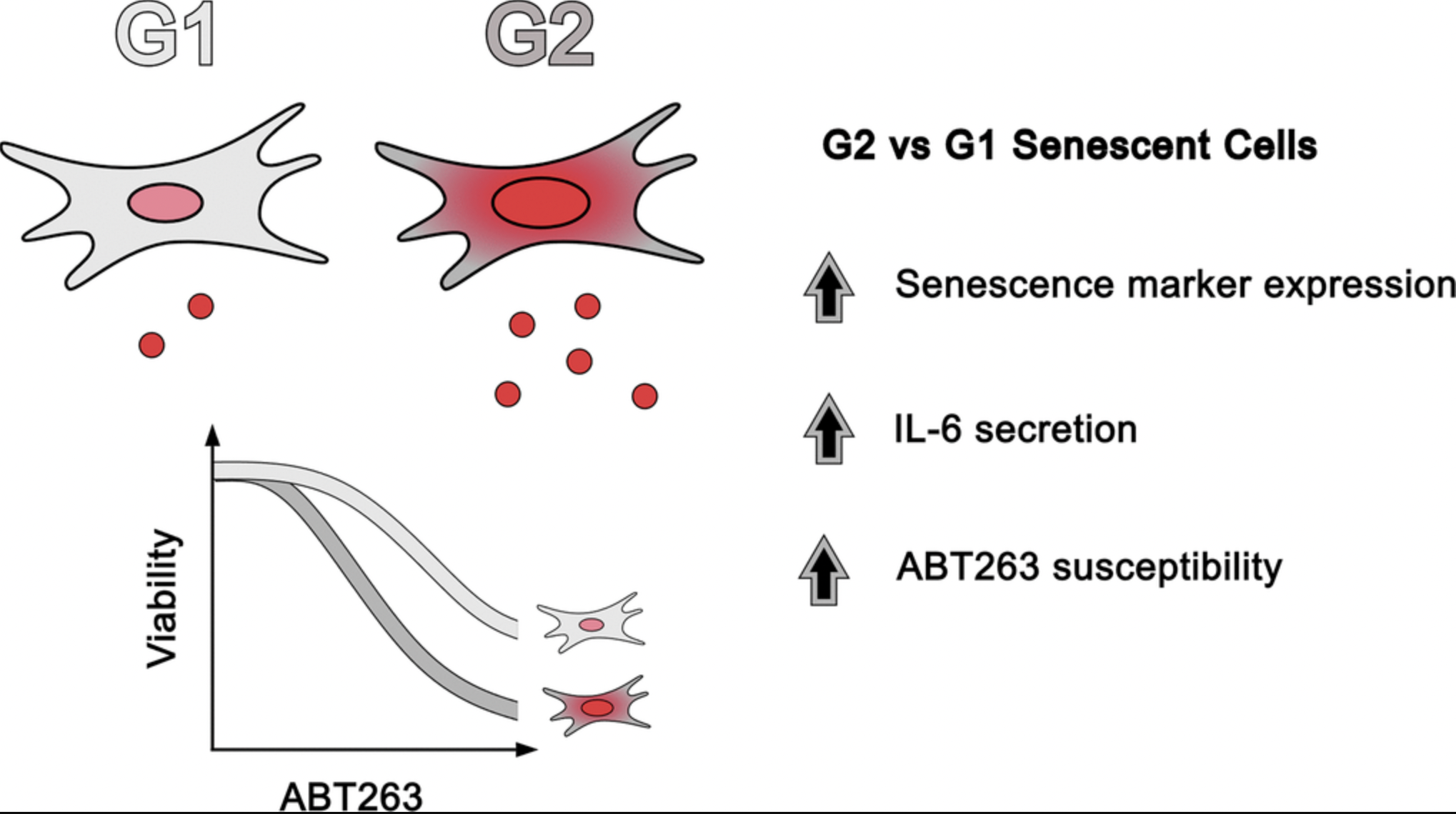
A new research paper was published in Volume 17, Issue 8 of Aging-US on August 7, 2025, titled “Senescent cell heterogeneity and responses to senolytic treatment are related to cell cycle status during senescence induction.”

Aging (Aging-US) is proud to support a milestone event for the global senescence and aging research community.

Aging (Aging-US) invites submissions for a Special Collection dedicated to the theme of cellular senescence, spanning its basic mechanisms, physiological and pathological functions, and clinical applications.