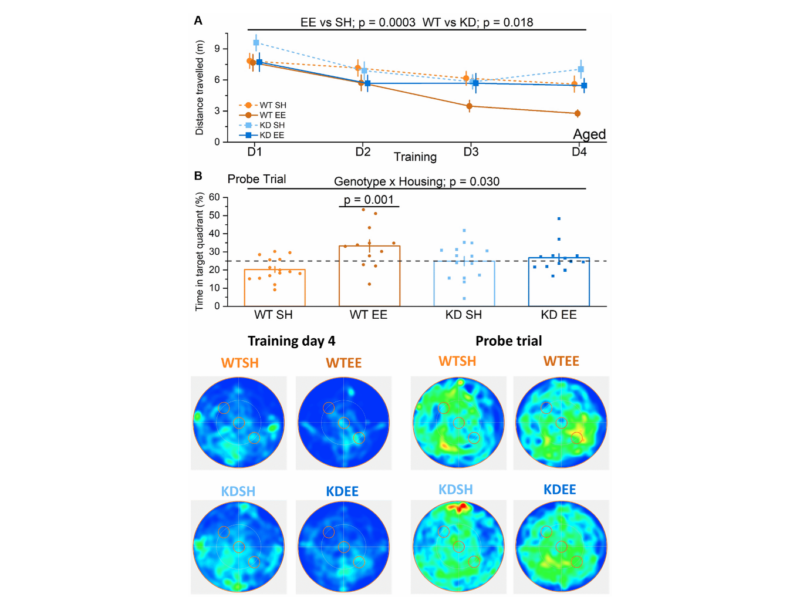
PRESS RELEASE: A new research paper was published in Aging’s Volume 15, Issue 13, entitled, “MSK1 is required for the beneficial synaptic and cognitive effects of enriched experience across the lifespan.”
Aging-US Authors
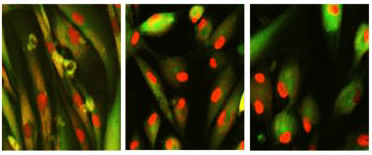
PRESS RELEASE: On July 12, 2023, a new research paper was published in Aging, titled, “Chemically induced reprogramming to reverse cellular aging.”
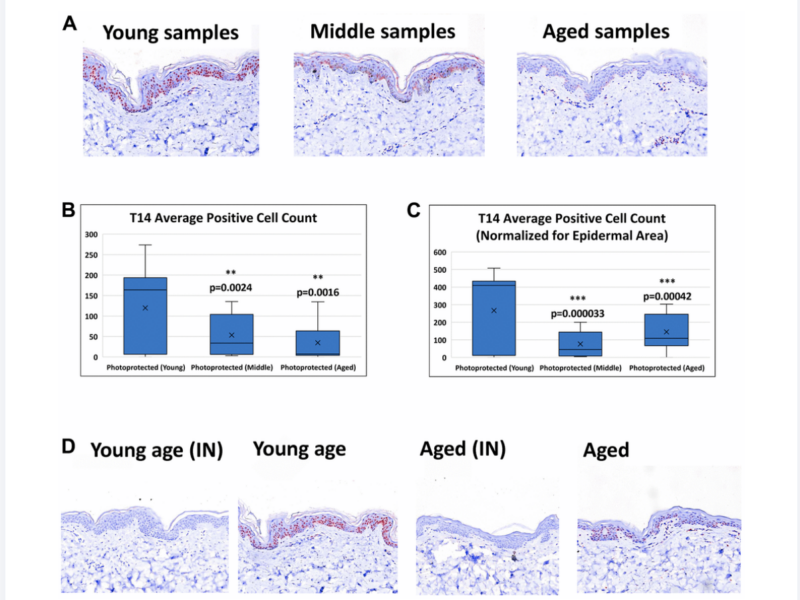
PRESS RELEASE: A new research paper was published in Aging’s Volume 15, Issue 12, entitled, “A novel peptide ‘T14’ reflects age and photo-aging in human skin.”
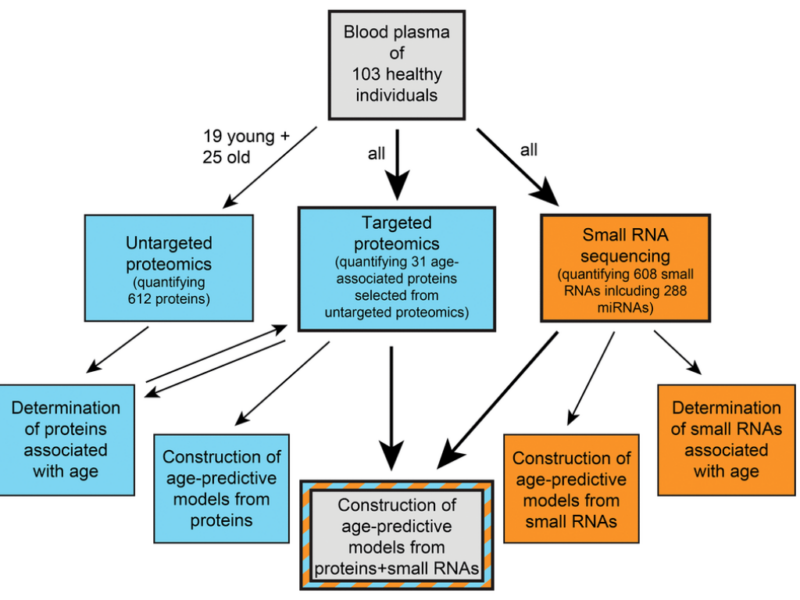
PRESS RELEASE: A new research paper was published on the cover of Aging’s Volume 15, Issue 12, entitled, “Age prediction from human blood plasma using proteomic and small RNA data: a comparative analysis.”
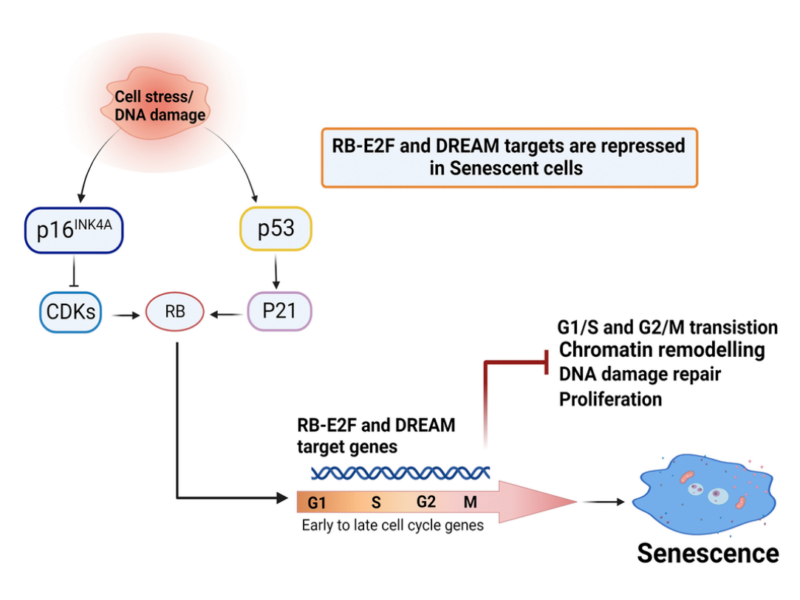
PRESS RELEASE: A new research paper was published in Aging’s Volume 15, Issue 10, entitled, “Key elements of cellular senescence involve transcriptional repression of mitotic and DNA repair genes through the p53-p16/RB-E2F-DREAM complex.”
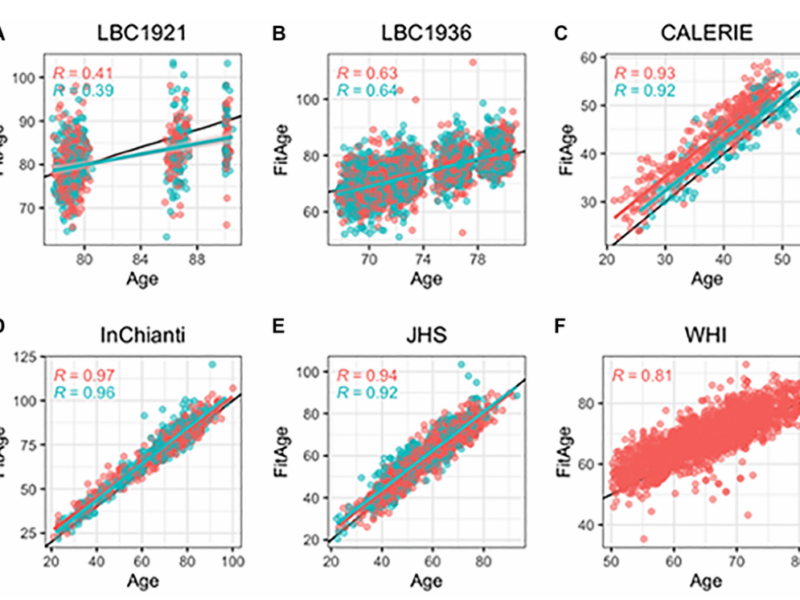
PRESS RELEASE: A new research paper was published in Aging’s Volume 15, Issue 10, entitled, “DNAmFitAge: biological age indicator incorporating physical fitness.”
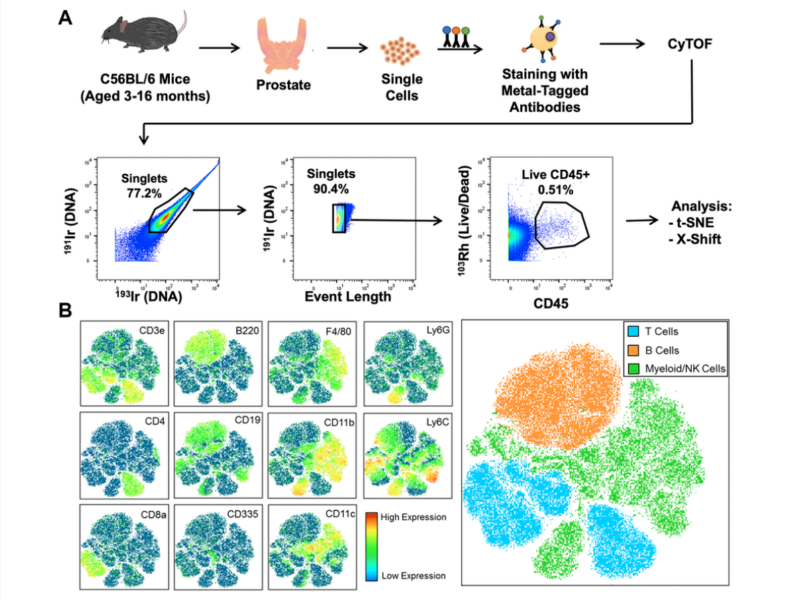
PRESS RELEASE: A new research paper was published in Aging’s Volume 15, Issue 9, entitled, “Highly multiplexed immune profiling throughout adulthood reveals kinetics of lymphocyte infiltration in the aging mouse prostate.”
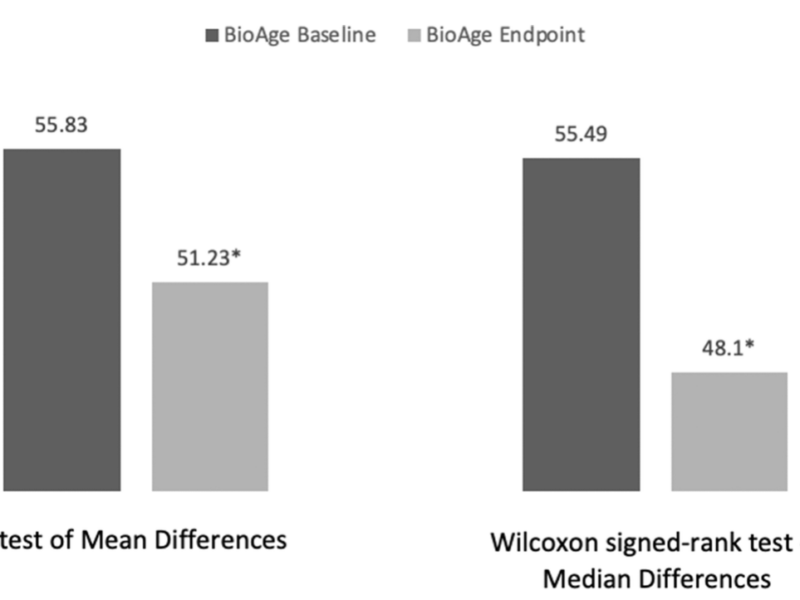
PRESS RELEASE: A new research paper was published in Aging’s Volume 15, Issue 6, entitled, “Potential reversal of biological age in women following an 8-week methylation-supportive diet and lifestyle program: a case series.”
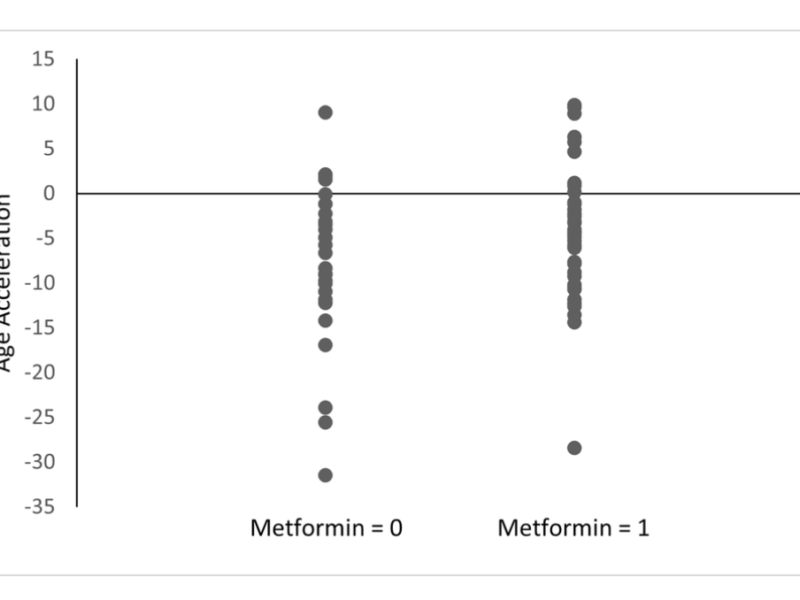
PRESS RELEASE: A new research paper was published in Aging’s Volume 15, Issue 3, entitled, “Metformin use history and genome-wide DNA methylation profile: potential molecular mechanism for aging and longevity.”

PRESS RELEASE: Dr. Blagosklonny published a new research perspective in Aging’s Volume 15, Issue 2, entitled, “Are menopause, aging and prostate cancer diseases?”